


More news on this day
Regional Rail riders across the Philadelphia area faced severe delays and cancellations today after a SEPTA train derailed in North Philadelphia, disrupting service on multiple lines during the busy morning commute.
Get the latest news straight to your inbox!
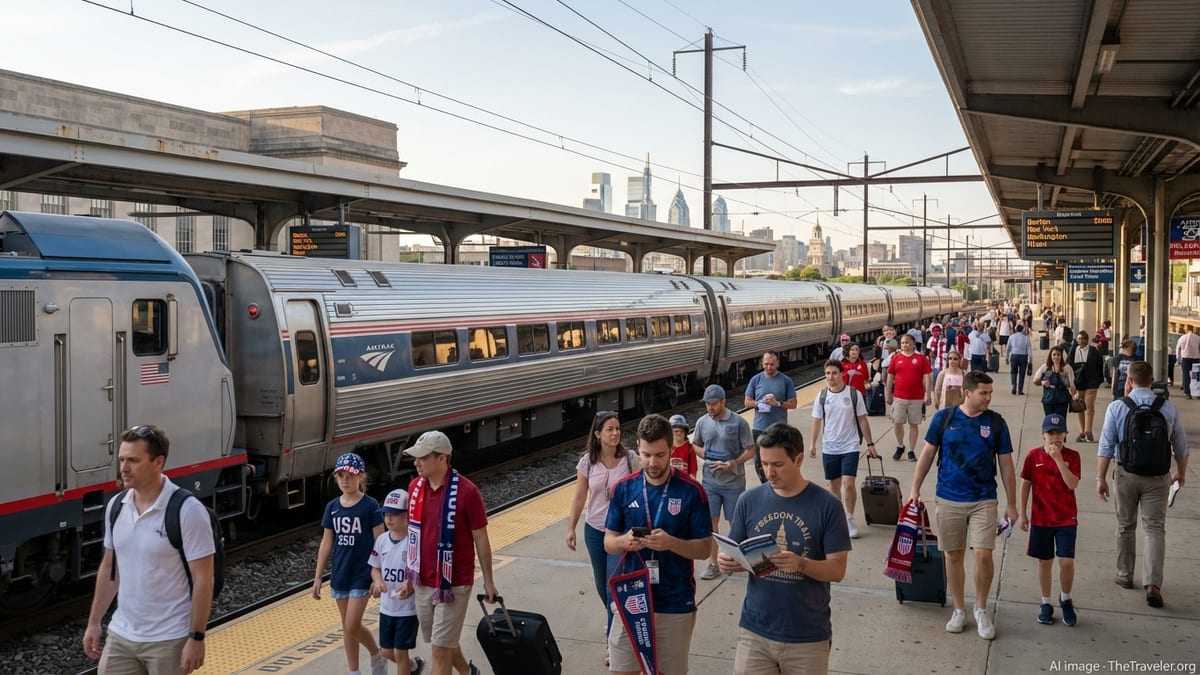
Service Disruptions Ripple Across the Regional Rail Network
Reports from riders and transit tracking services indicate that a derailment on SEPTA’s Regional Rail system in North Philadelphia early today led to immediate cascading delays across the network. Trains serving key commuter corridors into Center City were held outside stations, turned back short of their destinations, or removed from service altogether.
Publicly available information from crowd-sourced transit dashboards and rider alerts suggests that some trains were operating with delays exceeding an hour, while others were cancelled with limited advance notice. Morning commuters reported packed platforms at major hubs as reduced service struggled to keep up with typical weekday demand.
The disruption arrived at a time when Regional Rail remains central to suburban access to Center City, with many riders relying on timed connections to subway, bus, and trolley services. With the derailment affecting north side rail movements, the impact quickly spread to multiple lines sharing track or dispatching resources through the affected area.
SEPTA’s official online schedule tools and real time status boards reflected extensive residual delays, even on lines not directly routed through the derailment location, underscoring the interconnected nature of the Regional Rail timetable.
Location and Nature of the Incident
Rider accounts and independently monitored rail data point to a derailment in the North Philadelphia area, on a stretch of track used by SEPTA Regional Rail trains entering and leaving central Philadelphia. Early indications suggest that the incident involved a train set moving through a busy corridor that also hosts intercity and freight traffic, amplifying the operational challenges of restoring normal flow.
Initial public reports did not immediately detail the speed of the train at the time of the derailment or the condition of the rail infrastructure at the site. However, photos shared by riders and local observers on social channels appeared to show equipment off the rails and track crews staging in the vicinity, suggesting that recovery and inspection work would take several hours.
According to published coverage of earlier derailments in the broader region, clearance of rail equipment and inspection of signaling and overhead electrical systems typically require a phased process before any trains can be safely reintroduced. That process can involve rerouting traffic to adjacent tracks, implementing slow orders, or temporarily suspending service, all of which contribute to lingering delays even after the immediate incident is resolved.
The North Philadelphia incident today unfolded only a short time after a widely reported freight train derailment near Neshaminy Falls, north of the city, drawing additional attention to rail conditions and operational resilience in the wider Philadelphia rail network.
Impact on Commuters and Travel Plans
The timing of the derailment during the morning rush left many Regional Rail riders scrambling to adjust travel plans at short notice. Commuters described crowded platforms, uncertain departure times, and difficulty obtaining clear information about which trains were operating and which were cancelled.
For travelers headed to Philadelphia International Airport, the disruption on lines feeding Center City raised concerns about missed flights and tight connections. While alternative routes and local transit options remained available, the loss of predictable Regional Rail service complicated carefully planned itineraries.
The disruption also affected visitors and regional travelers using Philadelphia as a hub, including those connecting from intercity trains to the suburban network. Travel forums and social media posts advised riders to allow significantly more time than usual, consider flexible tickets where possible, and monitor real time information rather than relying solely on printed timetables.
Businesses in Center City and university campuses along the Regional Rail network can also experience knock on effects from such incidents, as late arrivals compress workdays, delay meetings, or push events to hybrid or remote formats when in person attendance becomes uncertain.
Operational Response and Ongoing Recovery Efforts
SEPTA’s public facing alerts and schedule platforms signaled a shift to modified service patterns shortly after the derailment, with some trains operating express around the affected area, others turning back at intermediate stations, and gaps appearing in the usual clockface schedule. Publicly accessible information suggested that crews were working to stabilize the scene, assess infrastructure damage, and determine how many tracks could safely remain in service.
Transit observers noted that the Regional Rail system has limited redundant routing in certain corridors, which can make recovery from a derailment more complex compared with bus or subway systems that can more easily reroute around an obstruction. When a key segment near a major junction is compromised, dispatchers are often forced to prioritize certain trains over others, leading to uneven service across lines.
Past incidents documented in regional transportation coverage show that full restoration of normal operations can sometimes take an entire operating day or longer, even if the immediate obstruction is cleared within a few hours. As a result, riders were advised through various public channels to expect residual delays and potential crowding into the evening commute, and to check updated advisories before starting trips.
Observers also highlighted that the derailment occurs during an already challenging period for Regional Rail, as the system manages fleet maintenance, capital projects, and schedule adjustments ahead of anticipated summer event demand.
Safety, Infrastructure Concerns, and What Riders Can Do
The North Philadelphia derailment follows closely on the heels of a separate freight derailment near Neshaminy Falls, raising public questions about track conditions, inspection regimes, and the effect of extreme summer temperatures on aging infrastructure in the region. Recent national and international rail incidents have similarly drawn attention to how heat, heavy rainfall, and deferred maintenance can interact to stress track systems.
Transportation experts frequently point to positive train control systems, regular track inspections, and investment in modern rolling stock as key elements in reducing the risk of derailments and limiting their impacts when they occur. Publicly available SEPTA planning documents in recent years have emphasized capital spending on infrastructure upgrades and fleet replacement, particularly on Regional Rail, to improve reliability and safety.
For riders, today’s events highlight the importance of building flexibility into travel plans where possible. Checking service alerts before leaving home, allowing additional time for transfers, and being prepared to shift to alternate modes of transit can mitigate some of the disruption caused by unforeseen incidents such as derailments.
As recovery efforts continue through the day, Regional Rail passengers are likely to face ongoing schedule changes and platform crowding. Observers suggest that travelers monitor real time advisories and be ready for adjusted routings until the North Philadelphia corridor is fully cleared and inspected and regular service patterns can safely resume.