


More news on this day
China’s railways have entered a new phase of mass travel, with a record 2.8 billion passenger journeys highlighting how fast trains, themed services and targeted policies are transforming the country’s tourism landscape.
Get the latest news straight to your inbox!
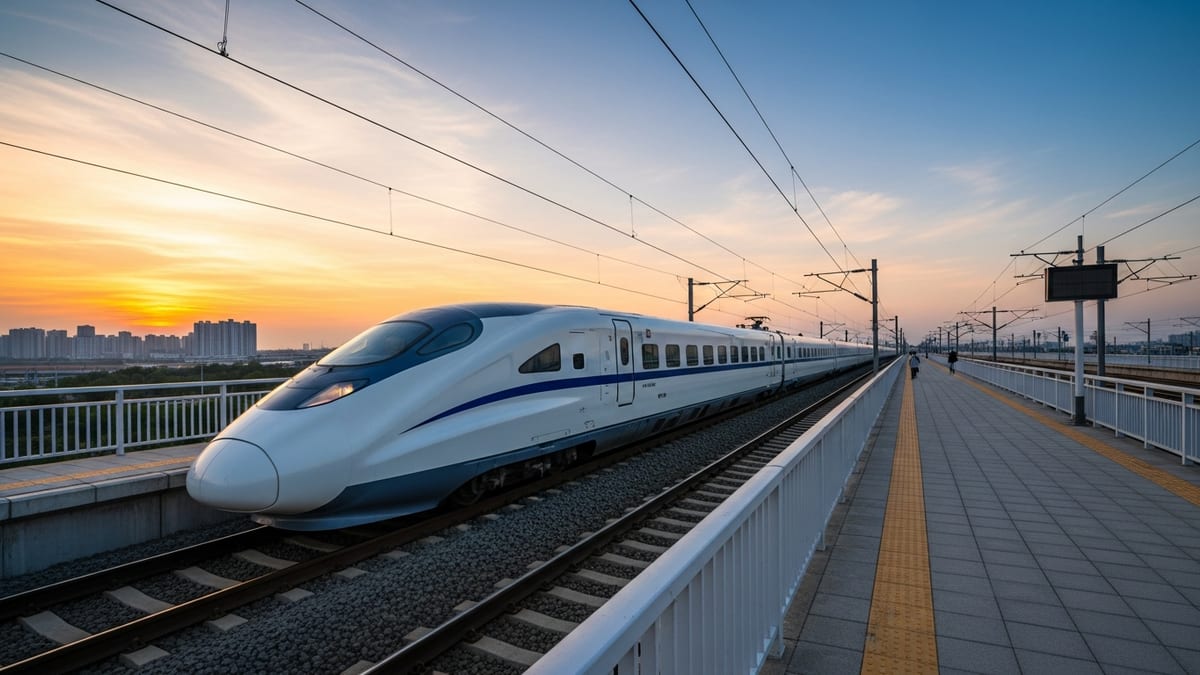
Record Rail Volumes Signal Tourism Rebound
Recent figures from China’s national railway network point to an unprecedented surge in passenger volumes, with around 2.8 billion rail journeys recorded over the latest full reporting period. Publicly available data indicate that overall railway ridership has climbed back above pre‑pandemic levels, supported by a rapid rebound in domestic tourism and the steady expansion of high speed services across the country.
The 2.8 billion figure marks a step change from the trough years of 2020 to 2022, when strict health controls sharply curtailed mobility and visitor numbers. Travel industry research shows that total domestic tourist trips nearly doubled in 2023 and continued to grow in 2024, creating strong underlying demand for long distance transport and positioning the rail system as the backbone of China’s internal travel market.
Analysts note that rail’s importance is amplified by China’s geography and population density. Passenger rail already accounted for well over 3 billion trips annually before the pandemic, and the latest growth suggests that rail is consolidating its role as the preferred mode for medium and long distance journeys, particularly for cost conscious leisure travelers and group tours.
The latest rail statistics arrive alongside robust tourism spending data, with national reports pointing to double digit growth in domestic tourism revenue and a sustained shift toward multi destination itineraries. The interplay of these trends underpins the narrative that China is entering a new travel era built around dense rail networks and increasingly sophisticated tourism products.
High Speed Network Redraws the Tourism Map
China’s high speed rail network is central to this new travel era. Over two decades, the country has assembled the world’s largest high speed system, with tens of thousands of kilometers of track linking major coastal cities with inland provincial capitals and emerging tourist hubs. Official planning documents set long term targets for further expansion, describing rail as a strategic pillar of a “strong transportation nation in the new era.”
Travel times between key destinations have fallen dramatically. Journeys that once required overnight sleeper trains are now completed in a few hours, making weekend city breaks and multi stop itineraries far more feasible. This has encouraged Chinese travelers to explore secondary cities and less familiar regions, spreading tourism flows beyond the traditional hotspots such as Beijing, Shanghai and Xi’an.
The high speed network also supports integrated tourism “corridors” that combine heritage sites, scenic areas and new cultural districts along a single route. Reports on provincial tourism planning highlight how stations have been positioned near national parks, ski resorts and historic towns, allowing tour operators to design rail based packages that minimize road transfers and appeal to time pressed urban residents.
International visitors are increasingly drawn into this ecosystem as border restrictions ease. Cross border high speed links from Hong Kong and regional gateways give overseas travelers access to the same fast rail grid, making it simpler to pair major urban centers with lesser known destinations that would once have required domestic flights or complex surface journeys.
Tourist Trains and Senior Travel Drive New Niches
Alongside regular high speed and conventional services, China is cultivating a dedicated rail tourism segment. Publicly available information on national development plans describes tourist trains as an emerging growth area, with routes designed around sightseeing, cultural experiences and longer stays in selected regions. These services typically feature slower itineraries, curated excursions and upgraded onboard amenities compared with standard intercity trains.
One prominent focus is the senior travel market. Government planning documents and railway company releases describe pilot programs for age friendly tourist trains, including modifications to carriages, simplified boarding procedures and more flexible onboard services. Authorities have indicated that the number of such trains and participating travelers is expected to rise significantly in the coming years, supported by financial incentives and standards for senior oriented design.
Data from recent years show that China’s over‑60 population now approaches 300 million people, forming a powerful driver of off peak and shoulder season tourism. Reports on the sector note that this demographic often favors slower, more in depth trips with group support and reliable logistics. Rail based itineraries, which remove the need for frequent hotel changes or complex transfers, fit these preferences and are being marketed as a comfortable way to explore distant regions.
At the same time, themed trains aimed at families and cultural travelers are being introduced on select routes. These journeys may feature onboard performances, local cuisine and stops at museums or heritage towns, aligning with broader national efforts to integrate culture and tourism and to stimulate demand for creative, experience driven travel products.
Policy Support and Infrastructure Investment Reshape Mobility
The expansion of rail tourism is underpinned by a dense web of policy initiatives and public investment. China’s tourism development plans emphasize integration of transport and culture, while transport strategies set ambitious targets for new lines, electrification and service upgrades. National level documents describe rail as both a tool for balanced regional development and a platform for new tourism industries.
In practice, this has translated into ongoing construction of new lines linking previously under served interior provinces with major economic centers, as well as upgrades to conventional rail to improve reliability and comfort. Statistical bulletins from recent years show that both the length of operating lines and the share of electrified track continue to rise, expanding capacity for passenger services even as freight volumes remain significant.
Policy frameworks also encourage private sector involvement in tourist train operations and related services, from onboard catering and entertainment to destination management around key stations. Local governments in scenic regions are using railway access as a selling point to attract hotel, resort and cultural investment, while central agencies highlight rail based tourism as part of broader consumption upgrading campaigns.
Environmental considerations add another layer of support. Public discussions around China’s climate and energy targets frequently point to rail as a relatively low emission option compared with short haul aviation or private car use. As travelers show greater interest in sustainable choices, the prominence of electrified high speed rail in the country’s transport mix positions it as a cornerstone of greener tourism growth.
Challenges Ahead in Crowds, Pricing and International Appeal
Despite the milestone of 2.8 billion journeys, China’s rail tourism boom faces several challenges. Holiday crowding remains a persistent issue, particularly during the Spring Festival travel season and the October National Day “Golden Week,” when hundreds of millions of trips are concentrated into a few days. Media coverage frequently highlights fully booked trains, congested stations and pressure on popular destinations during these peaks.
Ticket pricing is another evolving area. Reports from financial and business outlets have noted selective fare increases on certain high speed routes as operators seek to balance heavy debt loads and operating costs with the social expectation of affordable mass transport. While base fares remain relatively low by global standards, any adjustment is closely watched by consumers who rely on rail for frequent travel.
On the tourism side, industry analysts point out that domestic demand has recovered faster than inbound travel. International arrivals, including leisure visitors, are still rebuilding after the pandemic period and ongoing changes in visa policies and flight capacity. Observers suggest that greater promotion of rail based itineraries in overseas markets, coupled with continued improvements in digital ticketing and language support, will be needed to fully realize the network’s potential as a draw for foreign tourists.
Even with these headwinds, the scale of the rail system and the momentum behind tourism focused services suggest that China’s new travel era will remain closely bound to the tracks. The record 2.8 billion journeys serve not only as a statistical landmark but also as a signal that the country’s tourists, from pensioners on sightseeing trains to urban professionals on weekend high speed getaways, are redefining how a nation of 1.4 billion people moves and explores.