


More news on this day
Zurich Airport has faced significant disruption after powerful thunderstorms and frequent lightning strikes forced Swiss International Air Lines to cancel dozens of flights, leaving thousands of passengers stranded or heavily delayed at one of Europe’s key hubs.
Get the latest news straight to your inbox!
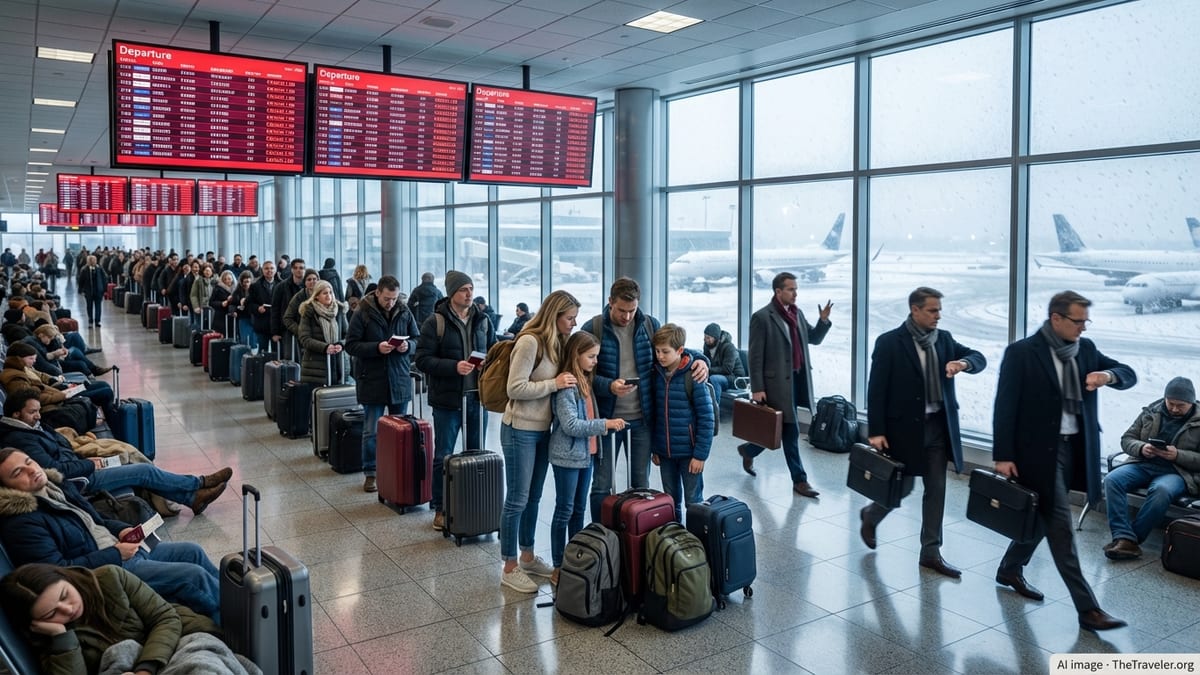
Thunderstorms Force Mass Cancellations and Delays
According to published coverage and airline updates, severe thunderstorms that moved across the Zurich region on Friday, August 28, 2026, led to lightning strikes near Zurich Airport and triggered a cascading operational crisis. Initial information indicated that at least 27 flights to and from Zurich were cancelled by midday, affecting more than 3,000 passengers and causing delays of up to three hours on services that did operate.
As the day progressed, further airline communications described a rapidly deteriorating situation. Updated briefings from Swiss International Air Lines later in the afternoon reported a total of 85 flight cancellations linked to the storm conditions, with around 11,200 passengers impacted. Aviation specialist outlets noted that the disruptions were concentrated at the carrier’s Zurich hub, where flight schedules were severely curtailed and turnaround times lengthened significantly.
Operational summaries from industry media describe the thunderstorm’s impact as “significant,” with a knock-on effect across the airline’s European and long-haul network. Restrictions on takeoffs and landings, combined with ground handling interruptions, contributed to a backlog of aircraft and passengers that extended into the evening and, for some travelers, into the following day.
Lightning Safety Stops Bring Ground Operations to a Standstill
Publicly available information from the airline’s newsbrief explains that the main driver of the disruption was repeated lightning activity in the vicinity of the airport. When lightning is detected close to the airfield, Zurich’s ramp operations implement so-called “handling stops,” a safety procedure that temporarily halts all work on the apron.
During these handling stops, ground staff must leave the tarmac and keep a safe distance from aircraft and other metallic structures. This means aircraft cannot be loaded or unloaded, refueled, or prepared for their next sector. Even short interruptions quickly cause congestion, as arriving aircraft wait for stands to become available and departures are unable to push back on time.
Industry analyses of the August 28 event note that the combination of frequent lightning, heavy rain, and gusty winds around Zurich drastically reduced the airport’s capacity to process flights. Takeoff and landing rates were temporarily lowered, taxi times increased, and the number of aircraft that could be simultaneously handled on the ground fell well below normal summer levels.
Passengers Stranded Overnight as Summer Peak Meets Extreme Weather
The storm arrived during an already intense summer travel period for Zurich Airport. Recent operational updates from the airport’s main hub carrier state that July 2026 alone saw more than 3.3 million travelers pass through the airport, with Swiss transporting around 1.75 million passengers that month. The broader summer holiday period between late June and mid-August brought nearly three million passengers onto Swiss flights, reflecting the sustained post-pandemic demand for air travel.
Against this backdrop of high load factors and busy schedules, the thunderstorm-induced shutdowns left limited margin to absorb delays. Travel media reports and social media posts from late August describe passengers forced to spend the night inside the terminal after onward connections were missed or late-evening departures were cancelled, echoing similar scenes reported earlier in the summer when storms over Zurich led to around 70 flight cancellations and overnight stays.
With aircraft and crew displaced across the network, the effects of the August 28 weather event were expected to spill over into subsequent days. Aviation commentators noted that even once the storms moved away and lightning subsided, the process of repositioning aircraft, re-crewing flights, and rebooking stranded customers would take time, prolonging the disruption for some travelers into the weekend.
Wider Storm Damage Highlights Growing Weather Risks
The thunderstorms that affected Zurich Airport formed part of a broader severe weather episode across parts of Switzerland. National media coverage documented dozens of injuries, overturned trucks, damaged roofs, and widespread reports of flooding and wind damage as the storm line pushed through on August 28. Emergency services reportedly received hundreds of calls related to water ingress and storm-related incidents.
Climate risk assessments for Zurich Airport have previously highlighted thunderstorms and lightning as key operational hazards, alongside changing wind patterns and heavier rainfall. These studies point to potential increases in the frequency and intensity of convective weather, with implications for runway operations, ramp safety, and the resilience of terminal infrastructure.
The August 2026 disruption therefore fits within a broader pattern in which European airports are periodically forced to throttle back operations during summer storm outbreaks. Analysts suggest that, for hub airports such as Zurich, even brief weather-induced stoppages can ripple far beyond national borders, as missed connections and diverted aircraft affect routes across Europe, North America, and Asia.
Measures to Improve Resilience at Zurich’s Main Hub
In recent communications on summer operations, Zurich Airport’s main hub airline and the airport operator have emphasized efforts to strengthen resilience during peak periods and challenging conditions. These measures include maintaining higher staffing levels in key operational areas, refining shared data systems for real-time decision-making, and using an Airport Operations Plan designed to better coordinate all partners during irregular operations.
Reports indicate that this planning framework, now in its third year of use, aims to stabilize punctuality and minimize knock-on disruptions when extraordinary weather patterns such as strong wind events, fog, or thunderstorms occur. The system focuses on early identification of capacity bottlenecks and on coordinating runway usage, gate assignments, and ground handling resources to keep as much of the schedule as safely possible intact.
Observers note that the scale of the August 28 thunderstorm disruption will likely prompt a fresh review of these procedures, particularly around lightning detection protocols, ramp closures, and passenger care during extended irregular operations. While safety-driven handling stops are expected to remain a non-negotiable element of storm response, industry commentary suggests there may be room to further optimize recovery strategies once severe weather has passed.
For travelers, the events at Zurich underline the importance of allowing extra connection time during peak summer months and monitoring flight information closely when convective storms are in the forecast. As European airports adapt to more frequent severe weather episodes, aviation experts widely view investment in operational resilience and passenger communication as central to limiting the impact of future crises of this kind.
https://newsroom.swiss.com/newsbrief-flugbetrieb-bei-unwetter/