


More news on this day
Shaoxing Metro, a relatively young urban rail system in eastern China’s Zhejiang province, is entering a new phase of growth as construction advances on extensions and new sections designed to support one of the Yangtze River Delta’s fastest-growing cities.
Get the latest news straight to your inbox!
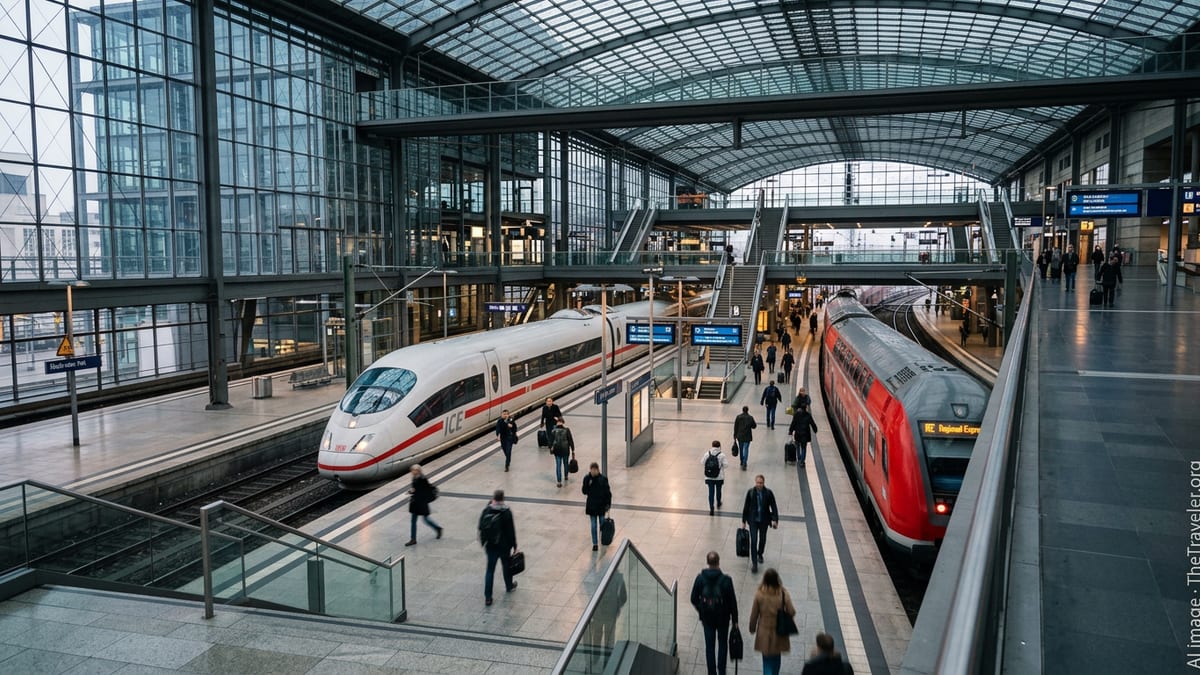
A fast-growing two-line backbone for Shaoxing
Publicly available information shows that Shaoxing’s rail transit network has developed from a standing start in 2021 into a compact but strategic two-line system. Line 1, running largely north to south, forms the main spine of the network, while Line 2 provides an automated east west connection with an interchange at Meishan Square.
The first phase of Line 1 opened in June 2021 between Guniangqiao and China Textile City, giving Shaoxing its initial metro service. Reports indicate that additional sections followed in April 2022, extending the route to more than 40 kilometers and connecting residential districts with major employment and commercial zones. Line 1 now links key urban areas with Shaoxing North Railway Station, integrating local trips with intercity high speed rail.
Line 2, which opened in late 2021, added a second cross-city corridor of around 11 kilometers. Industry coverage notes that the line operates with full automation, a Grade of Automation 4 system, reflecting China’s wider trend of adopting driverless technology on new metro routes. The Meishan Square interchange between Line 1 and Line 2 has quickly become a focal point for transfers and urban development.
Together, the two lines have laid the foundation for a more extensive metro network that city plans envision by the mid-2030s. Current planning documents describe an eventual multi-line system serving both the historic core and outlying districts such as Shangyu.
Line 1 branch strengthens links to emerging districts
Beyond the original north south trunk, Shaoxing Metro is quietly reshaping travel patterns through a branch of Line 1 that will later become a separate route. This spur diverges at Huangjiu Town and heads toward key development sites including the Exhibition and Convention Center area.
According to route maps and recent summaries, part of this branch from Huangjiu Town to Daqingsi entered service in April 2024, opening up new access to the city’s growing Huangjiu-themed tourism and residential zones. The branch adds several new stations while sharing core infrastructure and operations with Line 1, giving planners flexibility as passenger demand grows.
Construction plans indicate that the remaining section of the branch toward the Exhibition and Convention Center is scheduled to open in stages, with publicly available timelines pointing to full operation in the mid-2020s. Once complete, the branch is expected to be redesignated as a new Line 4, offering a dedicated service to major event venues and adjacent business districts.
This incremental approach allows Shaoxing to boost coverage without waiting for entirely new lines to be financed and built, a strategy mirrored in other Chinese cities where branch routes are initially operated as extensions before being spun off into standalone lines.
Phase II works extend Line 2 toward Shangyu
While Line 1 and its branch consolidate coverage in the central urban area, the current headline construction effort focuses on Line 2 Phase II. Engineering updates from contractors and local media describe a major eastward extension that will better connect Shangyu District with Shaoxing’s main city.
Ground works at stations such as Dongshan Road highlight the scale of the project. Reports on the Dongshan Road site note milestones such as completion of underground diaphragm walls, indicating that key structural work is advancing beneath busy urban streets. The extension is viewed as an important link that will shrink travel times between Shangyu’s residential and industrial areas and the core urban districts already served by Line 1 and the existing section of Line 2.
Provincial planning material mentions that the second phase of Shaoxing’s metro program prioritizes finishing Line 2 and pushing ahead with intercity rail links. By continuing Line 2 toward Shangyu, the city aims to move more daily trips from road to rail, easing congestion on surface corridors and providing a more reliable cross-district commute.
Although detailed opening dates for each phase have not been broadly reported, the ongoing civil works and policy documents point to a construction calendar aligned with Shaoxing’s current five-year development cycle, during which urban rail is framed as a core infrastructure investment.
Safety reviews and operational improvements on Line 2
The rapid expansion of Shaoxing’s network has also brought heightened attention to safety and operations, particularly on Line 2. Public reporting from Zhejiang province in late 2025 described the findings of an investigation into a work-zone collision that occurred in September 2025 on the outbound section between Tandu and Doujiang stations.
According to the published investigation summary, an empty train returning from maintenance collided with track workers, resulting in multiple casualties. The report attributed the accident to shortcomings in risk identification and control by involved enterprises, as well as violations of operating procedures. The incident was formally classified as a production safety liability accident and prompted calls for stricter adherence to safety management systems.
Following the release of the investigation, commentary in regional media emphasized the importance of reinforcing safety protocols on driverless lines such as Shaoxing’s Line 2, particularly during non-revenue hours when maintenance and cleaning staff are present on the tracks. Analysts note that lessons from this case are likely to inform updated training, signaling procedures, and work authorization processes.
While operational details of any remedial measures have not been extensively publicized, the episode underlines the challenges of managing expanding metro systems that depend heavily on automated operations and dense construction schedules.
Ambitions for a larger regional rail transit network
Behind the day-to-day work of station construction and safety management, Shaoxing is pursuing a longer-term vision for rail transit that extends beyond its current two-line metro. Planning documents summarizing the city’s recent five-year strategy describe an ultimate goal of a multi-line network closely integrated with neighboring cities in the Yangtze River Delta.
Earlier coverage in specialist railway media cited projections of an eight-line, nearly 280-kilometer network by 2035, with a further build-out to 11 lines and more than 400 kilometers by mid-century. These figures include not only additional metro corridors within Shaoxing but also intercity routes such as the Shaoxing–Zhuji line and future links toward Shengzhou and Xinchang.
For travelers, the practical outcome of this strategy is a gradual but steady expansion of rail options. Each new phase of Line 1 and Line 2, every added station, and the future conversion of the Line 1 branch into a separate route contribute to a denser mesh of services that reduce travel times between historic districts, industrial parks, university campuses, and tourist attractions.
As of 2026, Shaoxing Metro remains modest in scale compared with the extensive systems of nearby Hangzhou or Ningbo. Yet the pace of construction, the adoption of automated operations on Line 2, and the integration of metro planning into broader regional rail projects all suggest that the network will play an increasingly prominent role in how residents and visitors move around this rapidly evolving city.