

More news on this day
Silversea’s new luxury ship Silver Ray has adjusted its latest Iberian sailing in response to challenging Atlantic weather, redirecting guests to the Portuguese port of Leixoes and opening the door to an unexpectedly immersive visit to Porto and the surrounding north coast.
Get the latest news straight to your inbox!
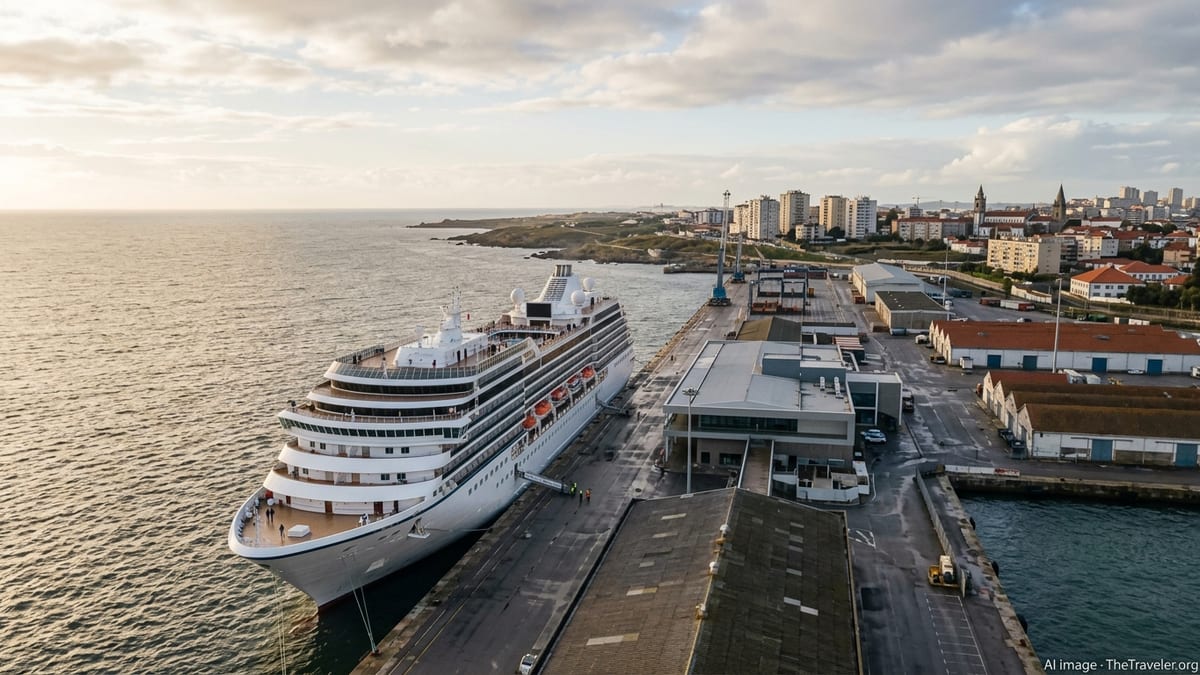
Weather Systems Force Change Along Iberian Coast
Recent Atlantic weather patterns off the Iberian Peninsula prompted operational changes for several cruise itineraries, with Silver Ray among the vessels adapting course. Publicly available marine forecasts showed elevated swells and strong winds along exposed stretches of the Portuguese coast, conditions that can affect tender operations, pier access and overall guest comfort. In such circumstances, cruise companies routinely adjust routes to maintain safety while preserving as much of the guest experience as possible.
Silver Ray, one of Silversea’s newest Nova-class ships, has been sailing a series of voyages linking Lisbon with key Atlantic and Mediterranean ports. Itineraries in this region typically include a mix of capital cities, historic harbors and smaller cultural stops. When weather or sea state disrupts the original schedule, operators often look first to sheltered deep-water alternatives that offer robust infrastructure and strong tourism appeal.
Reports indicate that, on this occasion, Leixoes emerged as a practical option, thanks to its position inside a protected harbor and its proximity to Porto. While some guests may have anticipated a different port of call along the Iberian coastline, the diversion allowed the voyage to continue largely uninterrupted, turning a necessary change of plan into an opportunity to showcase northern Portugal.
Leixoes: Gateway to Porto’s Historic Waterfront
Leixoes serves as the main cruise and commercial gateway to Porto, located just a short drive from the city’s atmospheric riverfront. The port has invested in dedicated cruise facilities in recent years, and its modern terminal is designed to receive large international ships while offering swift access to local transport links. For cruise lines adapting to weather-related disruptions, these features can be crucial in maintaining smooth operations and efficient shore arrangements.
The diversion of Silver Ray positioned guests to explore Porto’s tightly packed historic core, where narrow lanes, tiled facades and steep riverbanks define one of Portugal’s most photogenic cities. Public information about recent cruise calls in Leixoes highlights the popularity of panoramic city tours, guided walks through the old town and visits to the city’s famed wine lodges across the Douro River.
While each line structures its shore program differently, the substitution of Leixoes often means that travelers who expected a more conventional beach or resort stop instead gain access to a dense concentration of culture, architecture and gastronomy. For many, the switch can transform a weather challenge into one of the most memorable segments of the voyage.
Turning a Detour into a Cultural Highlight
Northern Portugal’s appeal lies in the variety that can be reached within a short distance of Leixoes. Porto’s riverfront warehouses and hillside churches sit alongside contemporary architecture and a growing food scene, while nearby coastal towns offer Atlantic views and relaxed promenades. For passengers on Silver Ray, the revised call created new possibilities for day trips that combine heritage and everyday local life.
Published travel coverage of recent port calls in Leixoes notes that passengers frequently gravitate toward the Ribeira district, known for its colorful houses, traditional boats on the Douro and lively café terraces. Others venture inland to sample regional cuisine, from cod dishes and fresh seafood to pastries and wines sourced from the Douro Valley. Even with limited time ashore, visitors can gain a strong first impression of the region’s character.
For those who had not previously considered Porto as a travel destination, the unscheduled stop can act as an introduction that encourages future land-based trips. It also underlines how cruise itineraries, particularly in weather-sensitive seasons, can reveal alternative ports that might otherwise be overlooked in favor of more familiar names.
Flexible Itineraries Becoming a Core Part of Cruising
The Silver Ray diversion illustrates a wider trend in modern cruising, where flexibility is increasingly built into planning and messaging. Industry commentary and recent traveler reports emphasize that itineraries, especially in shoulder seasons or when crossing open waters, are always subject to change because of wind, waves and port conditions. Cruise operators frame these adjustments as part of a broader commitment to safety and operational resilience.
In practice, that flexibility can mean swapping one coastal town for another, rearranging port order or spending additional time at sea. When alternative ports such as Leixoes offer strong tourism infrastructure and compelling attractions, changes may be perceived less as a disruption and more as an evolving journey. The ability of a line to pivot quickly toward high-quality substitutes has become an important measure of guest satisfaction.
In the case of Silver Ray, routing toward a major northern Portuguese gateway rather than simply eliminating a call demonstrates how weather management and destination curation can work together. By steering into a port that combines operational reliability with rich cultural content, the company turned a necessary operational response into a highlight that reinforces the value of sailing in this region.
What the Change Means for Future Iberian Sailings
Looking ahead, the experience of routing Silver Ray into Leixoes during unsettled weather may help shape how future Iberian itineraries are marketed and managed. Published cruise calendars already show a number of sailings that feature the port as a scheduled stop, reflecting its growing profile among operators planning routes between Lisbon, northern Spain and Western Europe.
Travel planners note that the ability to substitute one Atlantic port for another, while still offering a strong mix of culture and scenery, is particularly valuable as weather patterns remain unpredictable. Ports such as Leixoes, with direct access to a major urban center and well-developed visitor services, are likely to remain central to contingency planning for ships operating in the region.
For guests considering upcoming voyages on Silver Ray and other ships along the Portuguese coast, the latest diversion serves as a reminder that an itinerary can be both carefully designed and inherently adaptable. When conditions require a change of course, a well-chosen alternative such as Leixoes can deliver an unforgettable Portuguese experience that rivals, and in some cases surpasses, the original plan.