

More news on this day
Unusually heavy late-season snow across Nepal’s eastern Himalaya is disrupting mountain flights, closing trekking routes and forcing last-minute itinerary changes for international visitors as the key spring tourism period gathers pace.
Get the latest news straight to your inbox!
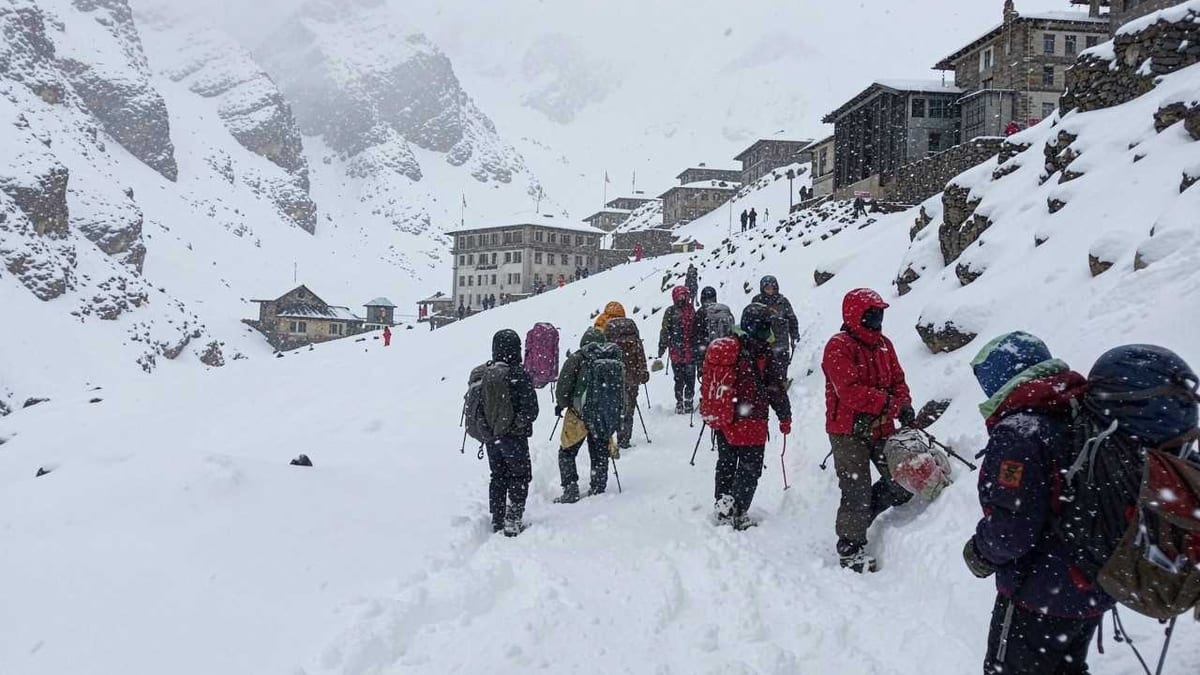
Image by Travel And Tour World
Late-Season Storms Hit Key Eastern Himalayan Corridors
Publicly available weather forecasts from Nepal’s Department of Hydrology and Meteorology and regional forecasters indicate that a series of western disturbances moving across the Himalaya in late March 2026 have brought widespread cloud, rain and snow to high elevations. While winter snowfall is common, this latest spell is being described in local coverage as heavier and more persistent than is typical for the second half of March, when conditions often start to stabilise for the spring trekking season.
Reports from trekking communities and local outlets suggest that areas in the eastern and central Himalaya, including corridors serving the Everest and Kanchenjunga regions, have seen periods of intense snowfall above roughly 3,000 metres. Social media posts from guides and lodges describe fresh accumulations on popular trails, poor visibility and intermittent whiteout conditions on higher passes, increasing avalanche risk and complicating route finding for independent hikers.
These conditions are arriving just as Nepal enters one of its two main tourism peaks. March to May is traditionally promoted as prime time for clear views and relatively stable weather in the Everest and eastern Himalayan ranges. The timing of the current snowfall is therefore particularly disruptive for trekking agencies, airlines and thousands of visitors who have planned long-haul trips months in advance.
Travel and tourism bodies in Nepal have already been warning that the sector is under strain from higher operating costs and regulatory changes. The added impact of weather-driven disruption at the start of the spring season is raising concern that some operators may struggle to meet expectations around scheduling and service quality if poor conditions persist.
Flight Disruptions Ripple Through Mountain Gateways
Mountain airstrips are especially sensitive to snow, cloud and crosswinds, and publicly available information shows that services into Himalayan gateways have faced recurring interruptions through March. Lukla, the main entry point for the Everest region, is known even in normal seasons for frequent delays and cancellations when clouds build up in the steep valley around its short runway. Local travel forums and dispatches from trekking operators in recent days refer to extended morning closures and backlogs of passengers awaiting clear weather.
For spring 2026, regulators have already mandated that many Everest-bound flights be routed via the lower-altitude Manthali Airport in Ramechhap during the peak March to May period. This seasonal diversion, originally intended to ease congestion at Kathmandu’s Tribhuvan International Airport, has added extra ground transfers and overnight stops to many itineraries. When heavy snow and low cloud further restrict flying windows, travellers can face multi-day bottlenecks as aircraft and crews struggle to move people between Kathmandu, Manthali and Lukla.
In eastern Nepal, smaller airstrips that serve remote districts such as Taplejung and Sankhuwasabha provide access to Kanchenjunga and Makalu trekking routes. Snow accumulation and limited ground-handling infrastructure mean that even modest storms can temporarily close these runways. Regional news updates and aviation tracking data indicate that recent weather has led to a patchwork of cancellations and rescheduling, complicating logistics for both tourists and local residents who rely on short take-off and landing aircraft.
Further downstream, Kathmandu’s main international airport has remained open, but connecting passengers bound for the hills are being advised by operators and public advisories to build in additional buffer days. Missed mountain connections can have knock-on effects for long-haul itineraries to and from the United States, India, the United Kingdom and China, where many visitors originate.
Trekking Season Plans Upended for International Travellers
The snow has immediate implications for trekkers who have timed their journeys to coincide with the traditional spring window. Publicly available discussions on adventure travel forums show that some groups already on the trail are cutting itineraries short, skipping high passes or diverting to lower-altitude routes when guides judge that conditions on snowy ridges and steep traverses are becoming unsafe.
In the Everest region, light to moderate snowfall is not uncommon in March, but accounts from this season point to deeper snowpacks developing from Namche Bazaar upward, with fresh layers sitting on older, compacted snow. This can obscure stone steps and paths, turn normally straightforward sections into long, tiring slogs and significantly raise the risk of slips on icy sections at the start and end of the day. Lodges at higher altitudes may temporarily close if supply lines are interrupted or if staff judge that demand will drop as groups turn back.
For more remote routes in eastern Nepal, including Kanchenjunga and Makalu circuits, the combination of deep snow and sparse infrastructure magnifies the challenges. Some itineraries require crossing multiple passes above 4,500 metres, where even experienced trekkers can struggle when fresh snow hides cairns and trail markers. Travel agencies’ online notices in recent days urge clients to remain flexible about route choices and to prioritise safety over summit or pass objectives.
Those preparing to travel from the United States, India, the United Kingdom and China in the coming days are being encouraged by outbound tour operators to review insurance coverage, particularly clauses related to weather-related delays, missed connections and forced itinerary changes. Flexible booking policies, introduced widely during the pandemic period, may still offer some scope to adjust dates or switch to alternative treks if conditions do not improve.
Travel Alerts and Advisory Focus for Key Source Markets
Major source markets for Nepal tourism are updating their travel messaging to reflect the evolving situation. Publicly accessible advisories and consular information from the United States, India, the United Kingdom and China routinely emphasise the inherent risks of small-aircraft operations in mountainous terrain, the possibility of sudden weather changes and the limited medical facilities in remote areas. The current bout of heavy snow is reinforcing that guidance.
For travellers from the United States and the United Kingdom, standard advice highlights the need to plan extra days at the start and end of treks, to allow for weather-related flight disruption to and from mountain airstrips. With recent storms already causing backlogs at Lukla and other airfields, industry observers expect these recommendations to be reiterated through travel alerts, tour briefings and insurance documentation.
India and China together account for a significant share of regional arrivals to Nepal, including pilgrims, leisure tourists and trekkers. Indian media coverage of the same western disturbance system bringing snow to the Himalaya has already focused on road closures and airport disruption in Kashmir and Himachal Pradesh, reinforcing public awareness that late-season storms can affect mountain travel across the region. Chinese outbound agencies that organise group treks and pilgrimage tours to high-altitude sites are similarly drawing attention to the importance of checking local forecasts before departure.
Across all four markets, the practical message is broadly aligned: visitors should monitor official meteorological bulletins and local airport updates, keep close contact with airlines and tour providers regarding schedule changes, and be prepared to adjust plans at short notice if conditions deteriorate further in eastern Nepal.
Planning Ahead: Practical Steps for Near-Term Trips
For travellers with imminent departures, publicly available guidance from mountaineering groups, insurers and experienced trekking operators suggests a number of concrete steps. Building a minimum of one or two contingency days into itineraries that depend on mountain flights is frequently recommended, with some specialists suggesting even more buffer time for those connecting from intercontinental services.
Equipment lists may also need updating in light of the heavier snow reports. Microspikes or light crampons, trekking poles with snow baskets and waterproof gaiters can greatly improve safety and comfort on snowy trails. Extra thermal layers, storm-proof outerwear and reliable navigation tools such as GPS devices or offline maps are also strongly advised when visibility is poor and temperatures drop sharply after sunset.
Travellers are further encouraged to confirm that their travel insurance explicitly covers trekking to the maximum altitude planned, as well as helicopter evacuation where available. Snow-related closures can strain limited rescue resources in popular valleys, and clear documentation of coverage can speed up assistance when needed. Those booking through agencies should request written confirmation of how weather disruptions are handled, including policies on rerouting, refunds and additional ground transport.
While the recent extreme snowfall in Nepal’s eastern Himalaya is creating significant short-term disruption, many observers note that conditions in the high mountains can change quickly in either direction. For now, however, visitors from the United States, India, the United Kingdom and China are being urged through public channels to travel with caution, maintain flexibility and give safety considerations priority over rigid schedules or peak-season expectations.