


More news on this day
Rail passengers in Somerset are being urged to make only essential journeys as an intense heatwave disrupts services, with operators extending reduced timetables and warning of further delays while extreme temperatures persist.
Get the latest news straight to your inbox!
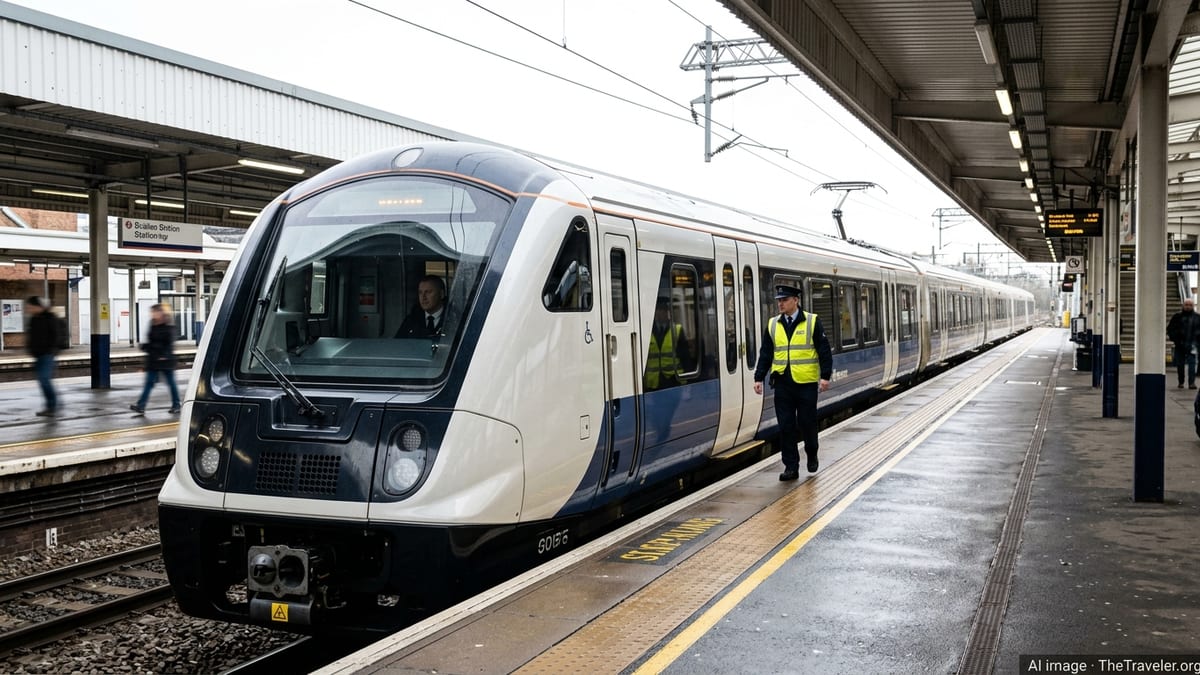
Heatwave pushes Somerset rail network to its limits
The rare period of extreme heat sweeping across south west England has pushed rail infrastructure in Somerset under significant strain, prompting operators to keep emergency measures in place beyond their original end date. Publicly available information shows that high daytime temperatures have triggered widespread speed restrictions on key routes serving the county, in line with safety protocols designed to reduce the risk of track buckling.
According to published coverage of the current weather pattern, the Met Office has extended red and amber alerts for extreme heat across parts of the West Country, with Somerset among the areas affected by temperatures in the mid to high 30s Celsius. These alerts are being reflected in transport planning, as rail companies continue to amend services to protect both infrastructure and passengers.
Industry briefings indicate that the combination of direct sun on steel rails, already dry ground conditions and sustained high temperatures has made it difficult to restore normal timetables. As a result, passengers are being advised that disruption in Somerset is likely to last at least into the end of the working week, and potentially longer if forecasts of continuing heat prove accurate.
‘Essential travel only’ message extended
Rail operators serving Somerset have renewed their guidance that customers should travel only if journeys are essential, extending what began as a short-term advisory into a multi-day warning as the heatwave has intensified. Information shared by Network Rail and train companies shows that reduced service patterns, originally introduced for a limited period, are now being prolonged to cover additional days while the highest temperatures are expected.
Timetable changes include slower running speeds on exposed stretches of track, shorter trains on some services and the removal of selected off-peak departures to create more resilience in the system. This approach is intended to provide extra recovery time when delays occur, but it also means fewer options for travellers and busier trains on those services that do run, particularly at the beginning and end of the day.
Passengers in Somerset are being encouraged through public statements and journey planners to consider whether their trip can be delayed, conducted remotely or switched to another day. Rail operators are also allowing more flexibility on some advance tickets, enabling customers to move their journey to earlier, cooler parts of the day where capacity allows.
Why rails struggle in extreme heat
The decision to extend the “essential travel only” guidance is closely tied to how Britain’s railways are engineered. Reports on rail operations explain that steel rails expand in the heat, and while they are set under tension during installation, very high temperatures can still create a risk of misalignment or buckling. When this happens, trains must slow down significantly or services are suspended until engineers can carry out inspections and repairs.
To reduce the likelihood of damage, Network Rail applies blanket speed restrictions when temperatures rise beyond key thresholds. This practice is particularly relevant in regions like Somerset, where long stretches of track run across open countryside with limited shade. Lower speeds lessen the forces exerted on the tracks but add minutes to every journey, which quickly multiplies into broader delays and missed connections.
In addition to track issues, rolling stock can also be affected. Air conditioning units and onboard electrical systems work harder in high heat, raising the risk of failures. Public information about previous hot-weather incidents shows that trains stuck in full sun can become uncomfortable quickly, making precautionary measures and journey reductions an important part of heatwave planning.
Impact on commuters, holidaymakers and local events
The extended disruption is particularly challenging in Somerset, where summer normally brings increased leisure travel alongside regular commuting. Published reports on regional travel note that the county’s coastal towns, visitor attractions and events typically see a surge in demand for rail services at this time of year, a pattern now colliding with the operational constraints imposed by the heatwave.
Commuters who rely on rail links into larger hubs are being asked to build in additional time for their journeys, with journey planners advising that services may be altered at short notice. Those heading to or from major events have been warned that last trains could be busier than usual or subject to revised departure times, increasing the importance of checking for updates before setting out.
Tourism bodies routinely highlight rail as a sustainable way to reach Somerset’s beaches and countryside, but the current situation is prompting travellers to reconsider timing and mode of transport. Industry coverage suggests that some visitors are rescheduling trips for later in the season, while others are opting to stay closer to home until more stable conditions return to the network.
Advice for passengers who must travel
For those who have no choice but to travel, rail operators and transport agencies are publishing detailed guidance. Passengers are being urged to check live departure boards and service information before leaving home, and to monitor updates throughout their journey, as short-notice cancellations remain possible where infrastructure temperatures exceed safe limits.
Health advice shared by local authorities in the South West recommends that travellers carry sufficient water, wear light clothing and be prepared for longer waits on platforms or on board. With the risk of crowded carriages and intermittent air conditioning, passengers are also being encouraged to look out for vulnerable people and report concerns to rail staff where possible.
Officials responsible for wider regional resilience planning have previously advised that extreme heat can disrupt multiple parts of daily life at once, from schools and healthcare to energy and transport. The extended “essential travel only” message on Somerset’s railways is being presented as one strand of a broader response to the current conditions, aimed at keeping the network functioning in a safe but reduced capacity until temperatures begin to ease.