

More news on this day
SpaceX has postponed the next launch of its giant Starship rocket from South Texas, with the long‑anticipated test flight now expected no earlier than May after another schedule slip.
Get the latest news straight to your inbox!
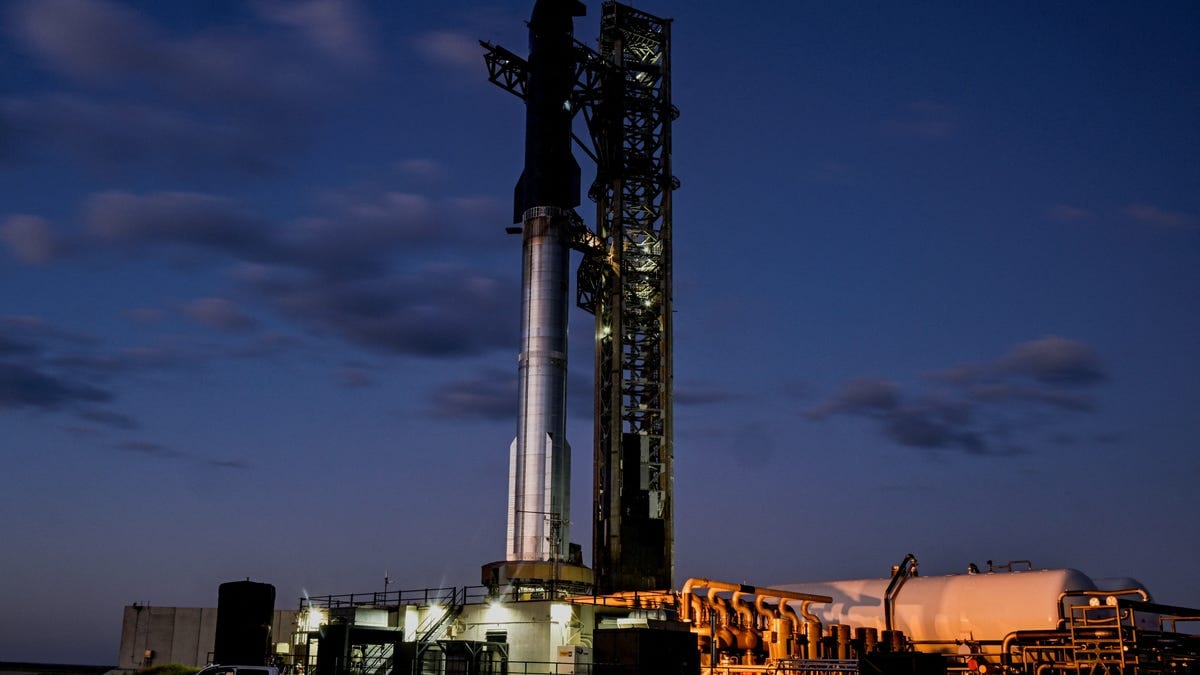
Latest Delay Shifts Starship Timeline Into May
According to recent coverage of SpaceX and public comments from company leadership, the next Starship test mission from the Starbase site near Boca Chica, Texas, has been moved from an April target into a launch window in May 2026. Reports indicate that the flight will debut the upgraded Starship V3 vehicle, pushing the first outing of this new configuration back by several weeks compared with earlier projections.
Media reports summarizing posts from SpaceX’s chief executive on social media describe a pattern of shifting estimates. A test initially discussed for March was later framed as likely in April, before the latest update put the schedule into early to mid May. The change underscores how development testing for the fully reusable super heavy launch system remains highly dynamic, even as hardware appears close to flight ready on the pad in South Texas.
Specialist spaceflight outlets note that this delay follows months of preparation for the V3 variant, including new hardware at Starbase and a growing focus on meeting NASA’s lunar requirements. The slip into May may narrow the margin for SpaceX as it works toward ambitious goals for Starship’s role in future missions.
Upgraded V3 Starship Puts Reliability Over Speed
Publicly available information on the V3 Starship design describes a substantially modified system, incorporating a new generation of Raptor 3 engines, structural changes and avionics upgrades. Industry analysis suggests that SpaceX has chosen to integrate a wide range of improvements into a single step, rather than phasing them across multiple flights, increasing both the potential payoff and the risk of schedule disruption.
Reports from independent Starbase watchers and commercial space analysts indicate that the company has been conducting extensive ground tests, including static fires and work to bring a second launch tower online at the Texas complex. These activities, while a sign of rapid infrastructure growth, also require additional validation time before regulators and internal teams are ready to commit to a launch date.
Commentary in trade publications notes that SpaceX is emphasizing higher reliability and rapid reuse for Starship as it transitions from early experimental flights toward more operational missions. In that context, postponing a launch to complete software integration checks, structural reviews or engine qualification can be seen as an investment in long term cadence, even if it frustrates near term expectations.
Regulatory Framework Allows Flights, But Timing Stays Fluid
Regulatory documents from the Federal Aviation Administration show that Starship launches from Boca Chica are covered by a license framework that can support a relatively high annual flight rate through the late 2020s. Previous approvals have outlined scenarios in which SpaceX could conduct dozens of Starship liftoffs per year from South Texas, suggesting that paperwork alone is not the primary constraint on the current schedule.
However, recent analyses of Starship’s development timeline point out that each test flight still triggers detailed reviews of flight data, debris risk and environmental factors. When anomalies occur during ground testing, such as rapid failures of test hardware, they can prompt additional scrutiny and engineering work that effectively pushes back the next integrated launch attempt.
Observers who track filings, local road closure notices and hazard advisories around Starbase note that these signals, which often foreshadow imminent launch activity, have not yet aligned for an April mission. The absence of formal closure windows matching earlier public target dates has reinforced expectations that May is now the realistic earliest timeframe.
Travel Plans to South Texas Face More Uncertainty
The shift into a May launch window has direct implications for travelers hoping to witness a Starship flight in person from the beaches and causeways near Brownsville and South Padre Island. Online travel discussions show that many space enthusiasts had penciled in early spring trips based on earlier talk of a March or April launch, only to find themselves rebooking or reconsidering itineraries as the schedule moves.
Space focused communities and tourism related forums frequently caution would be visitors that Starship dates are inherently uncertain and can slide by weeks or months. The latest delay reinforces that guidance, highlighting the risk of planning a long haul journey to South Texas around a specific launch day rather than a broader window that can accommodate changes.
Local businesses that benefit from surges of launch tourism are also watching the evolving timeline. Hotel and rental operators near Brownsville and on South Padre Island have previously seen bookings spike around anticipated Starship flights, followed at times by cancellations when weather, technical issues or regulatory reviews forced last minute changes. The newly signaled May timeframe is likely to reset that cycle as would be spectators weigh flexibility against the desire to see a rare super heavy rocket launch up close.
High Stakes for NASA and the Commercial Space Race
Beyond tourism, the delay adds another wrinkle to Starship’s central role in major space initiatives planned for the late 2020s. Publicly available NASA planning documents and news coverage emphasize that a variant of Starship is slated to serve as the Human Landing System for Artemis missions to the lunar surface. Each postponed test in Texas can compress the schedule for demonstrating key capabilities such as orbital refueling, repeatable landings and rapid turnaround.
Analysts quoted across financial and aerospace media have long noted that Starship’s performance and cadence are closely watched by satellite operators, prospective cargo customers and competing launch providers. With the next flight now expected no earlier than May, these stakeholders must wait longer to see how the V3 configuration behaves in flight and what it implies for long term launch pricing and capacity.
At the same time, observers point out that testing a significantly more capable Starship variant could ultimately accelerate progress if the improvements perform as intended. For now, the latest delay at Starbase highlights a familiar tension in cutting edge rocketry: the desire for rapid milestones balanced against the need to slow down when data and engineering realities demand more time.