

More news on this day
Spain’s key holiday airports are bracing for significant disruption as ground handling staff launch strike action from March 27, 2026, coinciding with the peak of the Semana Santa travel period and raising the prospect of widespread delays and cancellations for domestic and international passengers.
Get the latest news straight to your inbox!
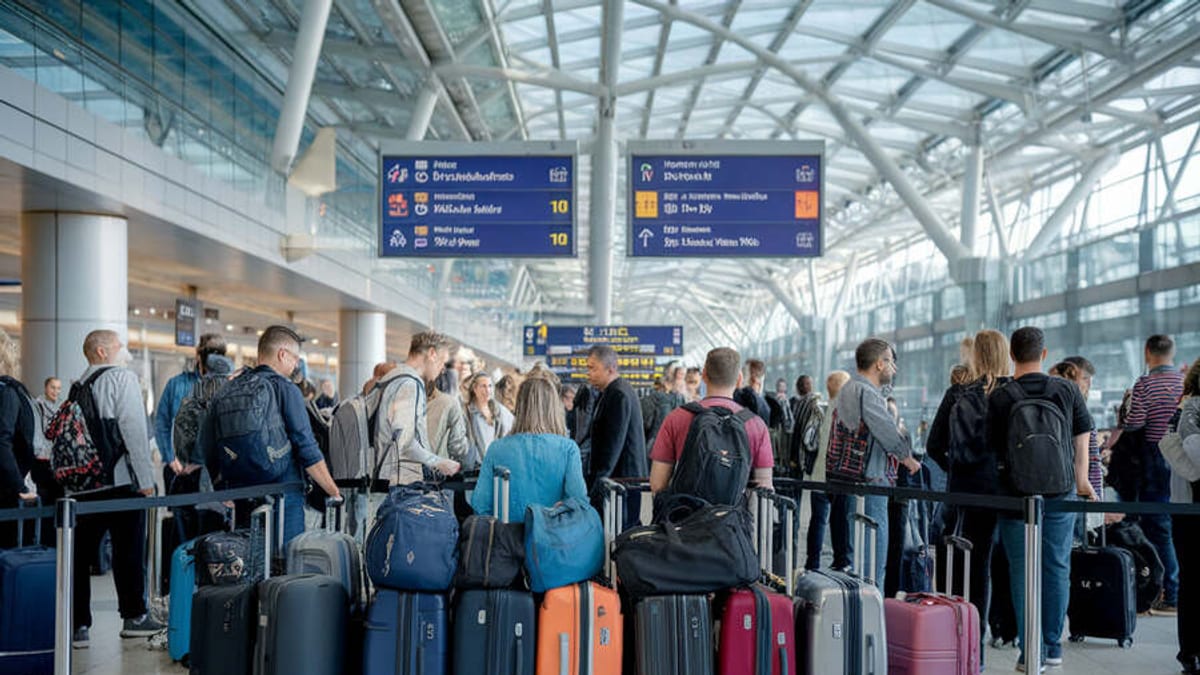
Image by Latest International / Global Travel News, Breaking World Travel News
Ground Services Walkouts Target Busiest Holiday Week
Reports from Spanish media indicate that unions representing ground handling staff have called a wave of strikes affecting several of the country’s busiest airports just as Easter travel demand surges. The industrial action focuses on workers employed by Groundforce, the handling company owned by tourism group Globalia, and is timed to hit operations from the start of the Semana Santa holiday window.
Coverage in national outlets describes a campaign built around partial walkouts that begin in late March and extend into early April, overlapping with the core Semana Santa dates. These stoppages are concentrated in peak operating bands in early morning, midday and late evening, aiming to disrupt check in, baggage handling, ramp operations and aircraft turnaround at times of highest traffic.
The strikes are expected to be felt most sharply across the AENA airport network at Madrid Barajas and Barcelona El Prat, as well as at Mediterranean and island gateways popular with international tourists. With both outbound holidaymakers and returning residents relying on these hubs over the Easter period, even limited work stoppages are likely to ripple across the flight schedule.
Travel industry observers note that Spain has experienced similar airport labour conflicts during past holiday seasons, but the alignment of this year’s action with the late March start of Semana Santa heightens the risk of crowding, long queues and operational bottlenecks.
Major Airports and Routes in the Firing Line
According to published coverage of the strike notices, more than 3,000 Groundforce employees are involved across a dozen high traffic airports. Alongside Madrid and Barcelona, the walkouts cover Alicante, Valencia, Málaga, Bilbao, Palma de Mallorca, Ibiza, Gran Canaria, Tenerife, Lanzarote and Fuerteventura, forming a corridor of disruption across mainland Spain and the main tourist islands.
Groundforce holds handling contracts with a mix of Spanish and foreign carriers, meaning that both traditional airlines and low cost operators may face delays to departures and arrivals. Turnaround slowdowns can cascade quickly, particularly at hub airports where aircraft and crews are tightly rostered. Even where flights eventually operate, travellers could encounter late boarding, baggage delays and last minute gate changes.
Local reports also point to parallel tensions at other ground handling companies operating in Spain, with separate union disputes flagged at competitors such as Menzies at several airports. While not all of these additional conflicts have translated into concrete strike dates, the overlapping labour pressures add uncertainty for carriers planning Easter schedules.
Airport operator AENA is expected to apply legally mandated minimum service levels, which in previous Spanish transport strikes have limited outright cancellations but not prevented substantial delays. Airlines are therefore preparing contingency plans that may include retiming flights, consolidating services and advising passengers to arrive earlier than usual.
Unions Press Pay, Contract and Staffing Grievances
Union statements cited in Spanish coverage frame the strike as a response to pay erosion and what worker representatives describe as restrictive interpretations of existing collective agreements. One central dispute concerns salary revision clauses that unions argue should fully reflect inflation accumulated since 2022, an adjustment they say is not being correctly applied.
Labour organisations also highlight broader structural issues in Spain’s liberalised handling market, including extensive use of part time contracts, heavy reliance on overtime and frequent changes in contractors following AENA tenders. Public information from recent union communications accuses employers of using flexibility requirements to alter shifts, rest periods and vacation planning at short notice.
The latest round of tensions follows a high profile handling contract reallocation in 2023, when Iberia’s ground services unit lost most of its third party licenses at major Spanish airports. That decision opened space for rivals including Groundforce, but unions contend that aggressive competition on cost has translated into pressure on wages and working conditions.
Representatives of the striking workers have publicly stated that they remain open to negotiation, but are drawing a red line at any move that would, in their view, weaken collectively agreed protections or transfer the burden of inflation and business risk onto staff.
Semana Santa Travel Demand Magnifies Impact
The timing of the industrial action coincides with one of Spain’s most intense domestic travel peaks. Academic and tourism calendars for 2026 show Semana Santa breaks running from the end of March into early April, with cities such as Seville, Málaga and many destinations in Andalusia expecting large inflows of visitors for religious processions and festivals.
Data published by regional media for Málaga Airport, for example, point to several thousand flights scheduled across the extended Easter period, underscoring the scale of traffic that could be touched by operational slowdowns on the ground. Similar patterns are anticipated at Madrid and Barcelona, where long haul connections from Europe and the Americas feed into domestic routes serving coastal and island resorts.
High passenger volumes amplify the effect of even partial walkouts, as minor delays at check in, security queues or baggage belts can quickly translate into missed connections and crowded terminals. With many travellers on fixed holiday dates, there is limited flexibility to spread demand across less busy days, raising the likelihood of congestion on strike affected dates from March 27 onward.
Tourism bodies have previously warned that repeated transport disruptions during key holiday periods risk damaging Spain’s reputation as a reliable short haul getaway for other European markets. While there is no indication of a collapse in bookings for 2026, uncertainty around airport operations may prompt some visitors to build in extra buffer days or choose alternative routings.
What Airlines and Passengers Are Being Advised To Do
Airlines with significant operations in Spain are updating customer guidance in light of the strike calendar, urging passengers to monitor flight status closely in the days before departure. Publicly available travel advisories encourage travellers to allow additional time at airports, particularly at the large hubs most exposed to ground handling stoppages.
Consumer organisations have begun reminding passengers of their rights under European air passenger regulations for long delays, cancellations and denied boarding, while also noting that entitlement to financial compensation can depend on whether disruption is considered within the airline’s control. In previous disputes involving third party ground staff, assessments have varied, creating a complex landscape for claims.
Travel planners suggest that those with tight connections through Spanish airports during the strike dates consider rebooking onto earlier services the same day or routing via alternative hubs where possible. Passengers returning from holiday hotspots in the Balearic and Canary Islands are being told to pay particular attention to notifications, as delays on inbound aircraft can affect multiple rotations.
For now, the extent of disruption will largely depend on whether last minute talks between unions and employers narrow the scope of the strikes or adjust the timetable of partial walkouts. With the first wave of action aligned with the March 27 start of the Semana Santa rush, travellers heading to and from Spain are being advised to plan for uncertainty and stay alert to changes throughout the holiday week.