

More news on this day
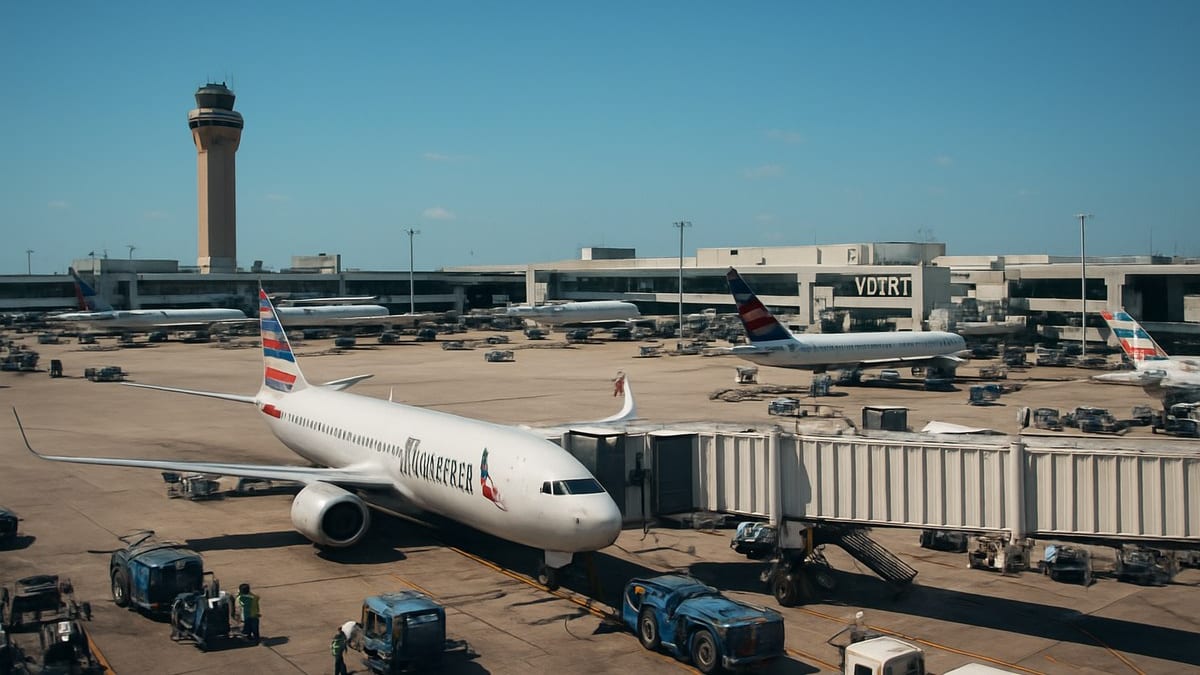
A grounded Spirit Airlines departure at Miami International Airport in early 2026 triggered a new wave of rolling delays across the carrier’s network, disrupting connections to more than 50 destinations and underscoring how fragile U.S. air travel operations remain after months of weather shocks, crew shortages, and tight schedules.
Get the latest news straight to your inbox!
Grounded Aircraft in Miami Becomes a Network-Wide Bottleneck
Publicly available flight-tracking data and recent disruption analyses suggest that the latest Spirit incident began with a single grounded aircraft at Miami International Airport, where the low-cost carrier has been operating a leaner, bankruptcy-era schedule. When that aircraft failed to depart on time, its delay quickly rippled through subsequent rotations, affecting multiple routes that rely on rapid turnarounds.
Reports indicate that the impacted aircraft had been scheduled to operate a sequence of short- and medium-haul flights touching several major leisure markets. Because Spirit typically runs tight turn times and high aircraft utilization, any extended ground time at a hub or focus city such as Miami can translate into hours of downstream disruption across the network.
By late in the operating day, the grounded aircraft in Miami had contributed to more than ten rolling delays, in which departure times were repeatedly pushed back in small increments rather than canceled outright. Travelers on some routes reported departure boards that inched back by 30 to 60 minutes at a time, complicating connections and obscuring whether flights would operate at all.
These cascading delays arrived on top of an already strained national aviation system in 2026, marked by severe weather events, high demand around holiday peaks, and an industry still working through staffing gaps that emerged during the pandemic and subsequent financial restructurings.
More Than 50 Destinations Feel the Impact
While the disruption originated in Miami, the pattern of Spirit’s route map meant that the effects were quickly felt at dozens of airports around the United States. Travel data firms and operational digests tracking day-of-flight performance in 2026 show that Spirit’s delays extended to more than 50 destinations, including major leisure gateways in Florida, the Caribbean, and popular domestic city pairs.
Secondary hubs and focus cities such as Fort Lauderdale, Orlando, Detroit, and New York area airports have been central to the airline’s post-bankruptcy strategy, and many of the rolling delays linked to the Miami aircraft involved flights into or out of these locations. That structure made it harder to isolate the disruption to a single corridor, since each delayed leg fed into another.
On the ground, this translated into crowded gate areas, extended waits in boarding queues, and airport concourses where departure boards flickered between “delayed” and revised times for much of the day. Social media posts and forum discussions from affected travelers describe missed connections to smaller cities, overnight stays far from home, and uncertainty about when regular schedules would resume.
Even airports that did not see outright cancellations still reported notable delays as late-arriving aircraft and crews pushed departures beyond their planned slots. In some cases, airports that had already been dealing with earlier weather-related slowdowns saw additional congestion as delayed Spirit flights sought new takeoff times.
Fragile Operations After a Season of Disruptions
The Miami incident unfolded against a backdrop of repeated system-wide strains in early 2026. Industry monitoring from aviation news outlets and passenger-rights platforms shows that U.S. airports have repeatedly logged thousands of daily delays and hundreds of cancellations during storms, holiday peaks, and regional ground stops, with Miami frequently among the facilities experiencing elevated disruption levels.
Spirit’s own operation has been under particular pressure. In February 2026, coverage of the airline highlighted large-scale cancellations tied to crew shortages, as the carrier worked to recall furloughed staff and rebalance its fleet following a second bankruptcy in under two years. Analysts noted at the time that such staffing gaps left little room to recover when individual flights went off schedule.
Network-wide data from late March and early April 2026 further underline how sensitive carriers can be to any disturbance. On several days, national delay totals climbed into the thousands as storms, runway obstructions, and high demand intersected. Spirit featured prominently in those statistics, with some days showing the airline posting one of the highest delay counts among U.S. carriers.
In that environment, a grounded aircraft at a busy airport like Miami has outsized consequences. Without spare crews and backup aircraft readily available, every minute on the ground compounds, affecting aircraft positioning, gate availability, and crew duty limits, and turning what might otherwise be an isolated delay into a rolling disruption that sweeps across the map.
What the Rolling Delays Mean for Travelers
For passengers, the practical difference between a cancellation and a rolling delay can be significant. Consumer advocates point out that a series of short delay announcements can leave travelers reluctant to rebook or make alternative plans, even as departure times creep into the late night or early morning hours.
Miami’s role as a major gateway for both domestic and international travel made the latest Spirit delay especially challenging. Some travelers bound for cruises, tour departures, or tight onward connections at other airports found that an initial one- or two-hour delay from Miami cascaded into missed check-ins and lost vacation days once subsequent flights in the chain also slipped.
Passenger-rights organizations note that, under most regulatory frameworks, airlines are not required to provide monetary compensation when delays stem from weather or air-traffic control constraints. However, when disruptions are linked to internal operational issues such as crew scheduling or maintenance, travelers may have more leverage to seek vouchers, hotel accommodations, or rebooking assistance, depending on the airline’s written policies.
In practice, travelers affected by the Miami rolling delays reported mixed experiences. Some were rebooked on later flights or routed through alternate hubs, while others described long waits in customer-service lines and difficulties reaching call centers as hundreds of passengers simultaneously sought help.
Ongoing Questions About Reliability in 2026
The latest disruption connected to a grounded Spirit flight at Miami adds to a growing list of incidents that have shaped public perception of airline reliability in 2026. Aviation analysts emphasize that all major carriers have faced turbulence this year, from weather emergencies to software outages and operational bottlenecks, but low-cost airlines with lean staffing and tight schedules often have less resilience when problems arise.
Industry commentary suggests that Spirit’s post-bankruptcy strategy, which leans heavily on high utilization of aircraft and a focus on cost-sensitive leisure routes, leaves the carrier especially exposed when a single aircraft or crew rotation goes off-plan. Each additional disruption reinforces calls from consumer advocates for clearer communication, more generous rebooking options, and better contingency planning.
At the same time, federal data and independent tracking show that system-wide pressures are unlikely to ease quickly. Growing passenger volumes, ongoing pilot and crew constraints, and the increasing volatility of severe weather events all contribute to a travel landscape where a grounded aircraft in Miami can send shock waves through dozens of cities in a matter of hours.
For now, travelers booking with Spirit and other carriers in 2026 are being advised by travel planners and passenger-rights organizations to build longer connection times, monitor flight status closely, and have backup plans in mind, especially when traveling through disruption-prone hubs like Miami during busy travel periods.