

More news on this day
A grounded Spirit Airlines departure at Miami International Airport on April 12 has cascaded into more than 50 delayed routes across the carrier’s network, adding fresh strain to an already turbulent spring for U.S. air travel.
Get the latest news straight to your inbox!
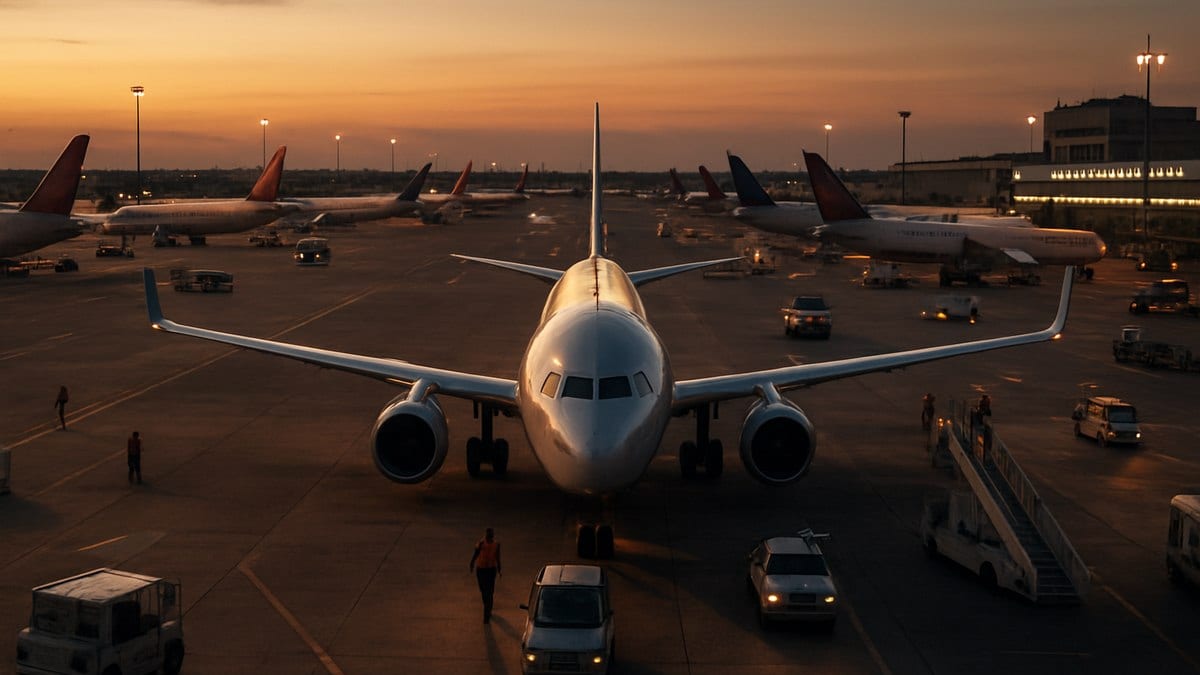
Ground Stop in Miami Ripples Across Spirit Network
Publicly available tracking data for April 12 shows Spirit Airlines facing a fresh wave of schedule problems at Miami International, where delays multiplied after at least one departure was held on the ground for an extended period. As aircraft and crew remained out of position, subsequent legs across the network began to push back late, affecting departures in Florida and several major U.S. hubs.
By late afternoon, operational snapshots compiled from flight tracking dashboards and industry coverage indicated Spirit-linked disruptions on more than 50 routes, with Miami acting as a key pressure point. The pattern mirrored broader delay clusters recorded at the airport over the past week, in which a relatively small number of problem flights translated into significant knock-on effects for budget carriers.
While the precise trigger for the grounded flight has not been specified in public reporting, the episode fits into a wider picture of fragile schedules during the busy spring break and early holiday travel window. With aircraft typically turned around quickly to maintain low fares, even a single grounded jet can reverberate through the day’s timetable, particularly at a gateway as busy as Miami.
The disruption at Miami is unfolding amid a period of elevated delays at major U.S. airports, where high demand, patchy weather and staffing constraints have repeatedly combined to squeeze airline operations. Recent national statistics and travel-industry reports highlight a series of days in early April when thousands of flights across multiple carriers departed behind schedule.
Miami’s Ongoing Delay Hotspot Status
Miami International has been a recurring focus of delay coverage in April, with travel data providers and aviation outlets documenting waves of schedule issues impacting both domestic and international routes. Earlier in the month, the airport logged well over one hundred delays in a single day across multiple airlines, underscoring how quickly congestion can build when the system is under strain.
Recent reports on Miami’s performance point to repeated episodes in which budget carriers such as Spirit and Frontier, alongside large network airlines, recorded clusters of late departures and occasional cancellations. These events have often coincided with busy holiday periods and periods of unsettled weather elsewhere in the country, which can slow air traffic flows even when local conditions appear favorable.
Miami’s role as a gateway for Latin America, the Caribbean and transatlantic traffic further amplifies the knock-on impact of any disruption. When an aircraft or crew is stuck on the ground in South Florida, ripple effects can appear hours later on flights leaving cities such as New York, Chicago or Dallas that rely on those same planes or staff.
Data-driven assessments from passenger-rights organizations and travel analysts suggest that while Miami is not alone in facing spring turbulence, its mix of leisure-heavy traffic, tight connections and growing low-cost carrier presence leaves it particularly exposed when operations start to fray.
Spring Travel Surge Exposes Operational Fragility
The grounded Spirit flight and ensuing route delays come at a time when U.S. airlines are managing one of the busiest spring travel seasons on record. Forecasts released in March projected daily passenger volumes in the millions through the end of April, with leisure-focused carriers seeing strong demand to sun destinations, cruise ports and theme park gateways.
In this environment, industry observers note that low-cost carriers operate with limited slack in their fleets and crew rosters. Publicly available performance data and recent coverage of Spirit’s network show that when weather, air traffic control initiatives or technical checks disrupt a single aircraft rotation, the consequences can cascade quickly. Passengers may experience rolling departure-time changes, gate swaps and, in some cases, same-day cancellations as schedules are rebalanced.
Reports from multiple U.S. airports in early April describe exactly this pattern, with Spirit among several airlines posting elevated delay and cancellation numbers on peak days. Analysts point out that the carrier has also been reshaping its network and adjusting staffing levels ahead of the summer, a backdrop that can make short-notice disruptions more difficult to absorb.
For travelers, the result is a more unpredictable experience on already busy travel days. As the Miami disruption demonstrates, delays that begin with a single grounded aircraft in one city can ultimately affect thousands of passengers booked on later flights across the country.
What Today’s Disruption Means for Travelers
For passengers caught up in the April 12 delays linked to the grounded Spirit flight in Miami, the immediate effects include missed connections, compressed layovers and in some cases late-night arrivals. Travel advisories from consumer organizations and regulatory agencies consistently recommend that affected travelers keep boarding passes, receipts and documented delay times, which can be useful when seeking vouchers or reimbursements under airline policies.
Published guidance on flight disruptions in the United States emphasizes that compensation is not guaranteed for every delay, particularly when weather or air traffic issues are cited. However, when delays stem from controllable factors such as crew scheduling or mechanical issues, airlines may provide meal vouchers, hotel rooms or credits, depending on the length and circumstances of the disruption.
Advisory materials produced for U.S. passengers also highlight the importance of using airline mobile apps and airport displays as primary sources of real-time information. Flight trackers, while useful for an overview of how widespread a disruption has become, may lag official updates that determine when passengers actually board, rebook or collect compensation.
Travel experts routinely recommend building extra buffer time into itineraries during peak seasons, particularly when connecting through busy hubs like Miami. Longer layovers, early-day departures and flexible planning can help reduce the risk that a single grounded flight will derail an entire trip.
Broader Implications for Spirit and Budget Flyers
The latest disruption in Miami adds to a challenging start to the year for Spirit, which has already drawn attention for waves of delays and cancellations across several U.S. airports in recent weeks. Publicly reported data on cancellations and late arrivals suggests that the carrier has at times been among the most affected airlines on high-disruption days, though it is far from alone in facing operational stress.
Aviation analysts observing the low-cost sector note that carriers built on high aircraft utilization and rapid turnarounds are particularly vulnerable to the sort of cascading delay seen on April 12. When a single aircraft is grounded at a hub like Miami, the financial pressure to keep subsequent flights operating can collide with safety checks, crew rest requirements and air traffic constraints.
For travelers, this dynamic reinforces the trade-offs often associated with ultra-low fares. While budget airlines can make last-minute getaways and family trips more affordable, the margin for error in their schedules can be thin, especially during peak seasons or in the aftermath of regional storms and staffing challenges.
The Miami incident is likely to figure into ongoing discussions about airline reliability and consumer protections as the busy summer travel period approaches. With more passengers turning to low-cost carriers to keep trip budgets in check, the resilience of those carriers’ operations, and how they communicate during disruptions, will remain under close public scrutiny.