

More news on this day
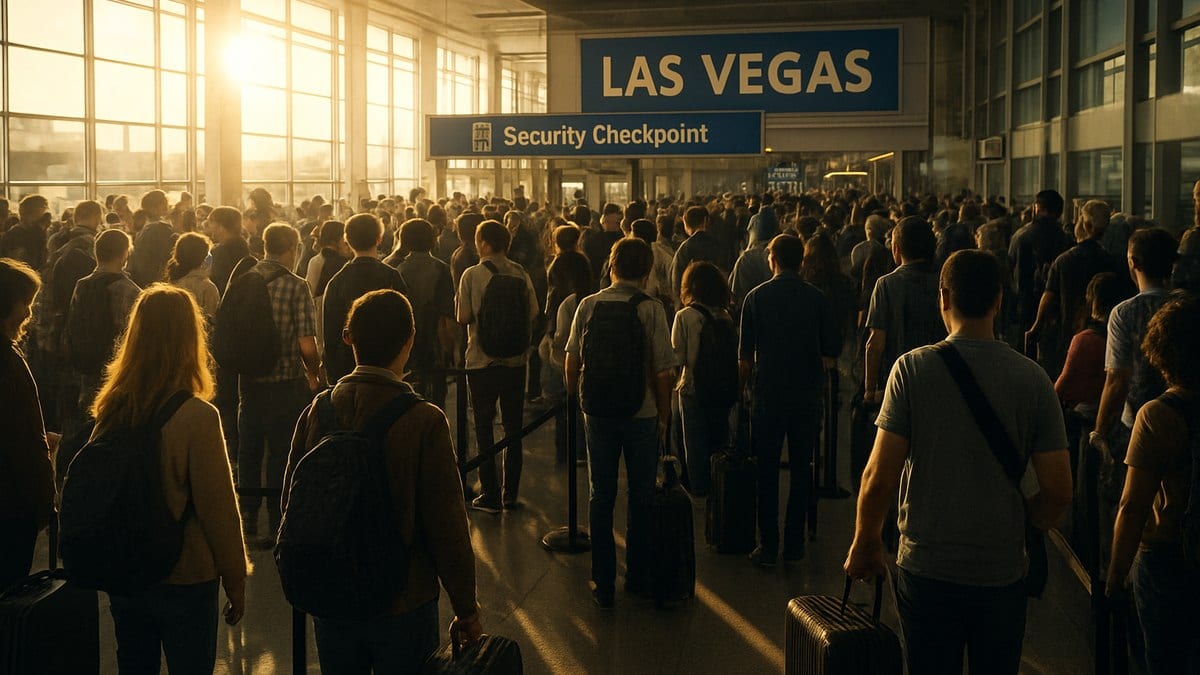
Surging spring break traffic is filling Harry Reid International Airport in Las Vegas, creating longer security lines, crowded concourses and a fresh test of the airport’s ability to keep passengers moving during one of the busiest travel periods of the year.
Get the latest news straight to your inbox!
Spring Break Surge Meets National Airport Strains
Across the United States, a combination of heavy spring break demand and a prolonged federal funding standoff affecting Transportation Security Administration staffing has contributed to long security lines at many major airports. National coverage describes scenes of queues stretching out of checkpoints and travelers being advised to arrive hours earlier than usual at some hubs. In this environment, Las Vegas is entering its peak spring break window with heightened scrutiny on how Harry Reid International handles the influx.
Transportation industry reports indicate that March 2026 is shaping up as one of the busiest spring travel periods since before the pandemic, with passenger volumes rising alongside leisure demand for warm weather and major events. Airline trade groups have publicly highlighted record numbers of people taking to the skies, while travel advisories emphasize the potential for uneven delays from one airport to another.
Weather disruptions and staffing pressures have combined to create bottlenecks at several large U.S. gateways, which in turn ripple through the broader network. Even when Las Vegas itself is operating close to normal, delays or cancellations elsewhere can translate into late-arriving aircraft, gate holds and congestion at Harry Reid as flights attempt to recover their schedules.
For travelers headed to and from Southern Nevada, the result is a more unpredictable experience, particularly during peak departure times when vacationers, conventioneers and weekend visitors converge. While Las Vegas has so far avoided some of the multi-hour waits seen in other cities, the spring break rush is still manifesting as longer lines and fuller terminals than at quieter times of the year.
Local Conditions: Longer Lines Without Extreme Gridlock
Publicly available information from Harry Reid International and third-party wait time trackers suggests that, even as spring break crowds build, security lines at Las Vegas have generally remained shorter than those at some of the country’s hardest-hit airports. Recent snapshots show routine waits in the range of 20 to 35 minutes during busy periods, with occasional reports of lines approaching an hour during early-morning and late-afternoon peaks.
Airport-facing travel guides that monitor Las Vegas security checkpoints note that the heaviest congestion often clusters around traditional rush hours, particularly 7 to 9 a.m. and midafternoon to early evening departure banks. During these windows, estimates indicate that lines can stretch well beyond the immediate checkpoint area, creating the impression of gridlock for passengers arriving without extra time built into their schedule.
On social platforms, frequent Las Vegas flyers have shared images of crowded corridors and snaking queues, particularly on Fridays and Sundays when weekend leisure travel blends with spring break demand. Many comments, however, also describe lines that appear daunting but move steadily, with some travelers clearing security in under 20 minutes despite the visual crush.
By contrast, national reports from other large airports have documented security waits of three hours or more on particularly strained days. That comparison has led some travel outlets to frame Harry Reid International as relatively resilient, even as local passengers encounter longer lines than they would typically expect at this time of year.
Airport Guidance and Tools for Managing the Rush
In advance of the spring break period, Harry Reid International issued travel tips encouraging passengers to arrive earlier than usual and to make use of digital tools that help monitor congestion. The airport’s public-facing resources highlight the importance of reaching the terminal at least two hours before domestic flights and three hours before international departures, with additional buffer time recommended for families traveling with children or those requiring extra assistance.
Local and national travel advisories point passengers to a range of resources designed to reduce uncertainty around wait times. The MyTSA app, the airport’s own checkpoint estimates and several independent tracking services provide near real-time snapshots of security conditions, although each source cautions that conditions can change quickly as flights bank or as staffing levels fluctuate during a shift.
Guides focused on Las Vegas travel emphasize a few practical tactics for navigating Harry Reid during the busiest weeks. Travelers are encouraged to check in online before leaving for the airport, consolidate carry-on items to speed screening and review current security rules so that laptops, liquids and other flagged items do not create avoidable slowdowns at the belt. Families traveling with unaccompanied minors or special documentation are advised to allow additional time for paperwork and airline procedures at the gate.
Published travel tips from the airport also stress that congestion is not limited to security. Parking facilities, rideshare pickup zones and terminal concessions can all see increased demand when visitor numbers spike. Passengers who plan for additional time across the entire airport journey, rather than focusing solely on the checkpoint, are more likely to make their flights without last-minute sprints.
National Shutdown Effects and Why Las Vegas Looks Different
The broader backdrop to this year’s spring break season is a partial federal government shutdown that has left tens of thousands of TSA employees working with pay uncertainties. Reports from multiple cities describe rising callouts among screeners, temporary closures of some PreCheck and CLEAR lanes, and the deployment of immigration officers to help manage crowd control and exit lanes at certain airports.
In many markets, those staffing strains have translated directly into ballooning wait times. Coverage from major news outlets has documented hours-long lines in Houston, Atlanta and other large hubs, with some airports warning passengers to arrive three to four hours before departure. The uneven impact has created a patchwork map of wait times, where one city experiences relatively normal operations while another sees lines spilling into baggage claim.
At Harry Reid International, reports from local news organizations and traveler accounts indicate that staffing conditions have remained comparatively stable. Regular flyers say lines are longer than in quieter months but still moving, and some have contrasted Las Vegas favorably with the severe congestion they encountered when connecting through other parts of the country.
Industry observers suggest several factors may be helping Las Vegas avoid the worst gridlock. These include a layout built to accommodate heavy tourist surges, experience handling major events and a schedule pattern that, while intense, can sometimes spread demand across multiple banks of departures rather than funneling it all into a narrow window.
What Spring Break Travelers Should Expect in the Coming Weeks
With many school districts and universities staggering their breaks through early and mid-April, elevated passenger volumes at Harry Reid International are likely to continue for several more weeks. Travel analysts note that even if federal pay issues for TSA employees are resolved, it may take time for staffing levels and scheduling to fully normalize, meaning that pockets of delay could persist across the national network.
For Las Vegas-bound visitors, that means planning around the possibility of long lines while recognizing that actual waits may be shorter than some of the worst national headlines suggest. Morning departures ahead of 8 a.m., peak Sunday afternoon flights and post-event travel surges tied to conventions or major shows are all periods when Harry Reid is more likely to see lines building quickly at security.
Travel reporting consistently advises that passengers treat real-time wait time tools as guides rather than guarantees. Because many services rely on historical averages or crowdsourced data, sudden surges can still catch last-minute arrivals by surprise. Checking conditions on multiple platforms, building in extra time and remaining flexible with dining or shopping plans inside the terminal are recurring themes in spring break travel guidance for Las Vegas.
As the season continues, Harry Reid International is positioned as both a reflection of broader national pressures on airport infrastructure and an example of how a high-volume tourist gateway can manage heavy crowds without the extreme breakdowns seen elsewhere. For the millions of travelers passing through Las Vegas this spring, those longer but generally manageable lines are becoming part of the cost of catching a flight during one of the busiest travel stretches of the year.