


More news on this day
Travelers at Stockholm Arlanda Airport faced a difficult day as SAS, Lufthansa, Ryanair and Finnair registered a combined 72 delayed flights and four cancellations on key routes linking Stockholm with Frankfurt, Paris and several other European destinations.
Get the latest news straight to your inbox!
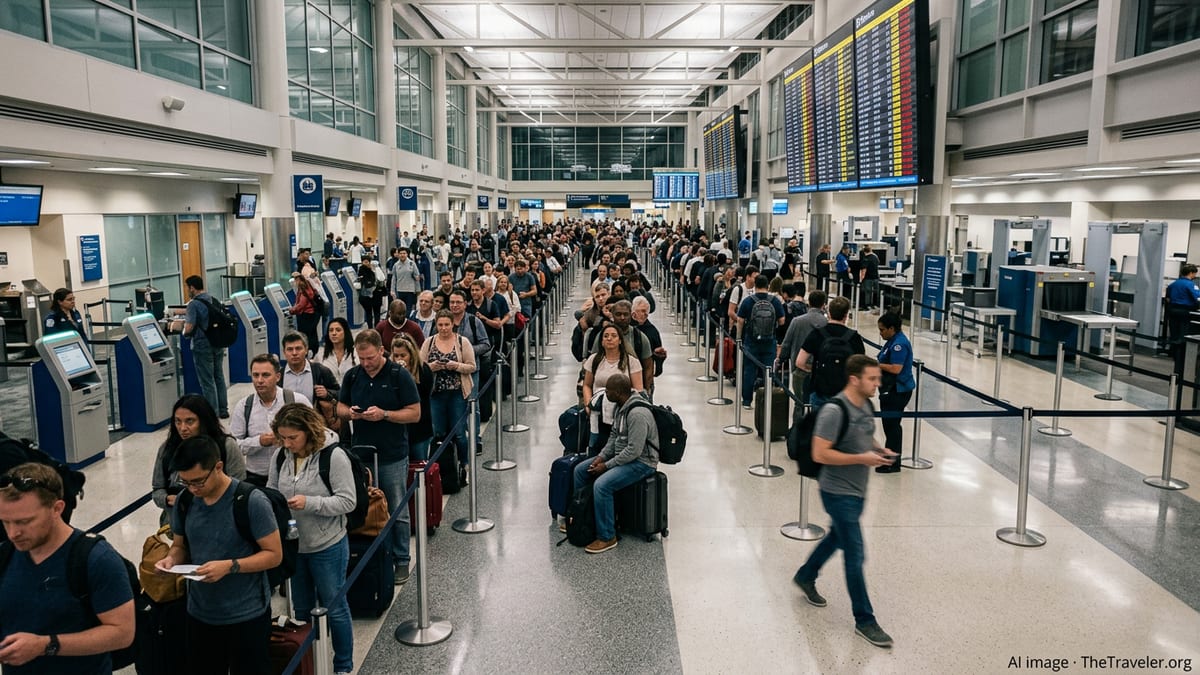
Knock-on Disruption Across Northern Europe
The disruption at Stockholm Arlanda on Thursday affected a mix of short haul and medium haul services, with many of the delays concentrated on routes into major hubs such as Frankfurt, Paris and Helsinki. Publicly available flight board data indicated rolling hold ups beginning from the morning wave of departures and continuing into the afternoon bank of flights.
SAS and Lufthansa operations between Stockholm and Frankfurt were among those most visibly affected, with several services arriving and departing behind schedule. Connections onward to long haul networks in North America and Asia were therefore at risk of missed transfers, prompting airlines to rebook some passengers through alternative hubs or on later departures.
Services linking Arlanda with Paris and other Western European cities also experienced extended turnaround times, creating a domino effect across the timetable. Even flights that ultimately left within an hour of their scheduled departure often did so with aircraft and crews that had already been running late from previous sectors.
The pattern at Arlanda mirrored a broader strain across parts of the European network, where growing summer demand, busy hub traffic and pockets of operational constraint have left carriers with little margin when disruption occurs.
Ryanair and Finnair Routes Under Pressure
Ryanair and Finnair, both important players in the Nordic market, were also caught up in the day’s problems. Ryanair flights linking Arlanda with leisure destinations and London area airports saw schedule changes and late departures, complicating plans for travelers heading out for early summer holidays.
Finnair’s feeder links between Stockholm and Helsinki, as well as selected services beyond, recorded delays that in some cases extended well beyond half an hour. For passengers relying on tight connections onward to Asia through Finnair’s Helsinki hub, even moderate delays were enough to trigger rebookings and longer overall journey times.
The four cancellations recorded across SAS, Lufthansa, Ryanair and Finnair further concentrated pressure on remaining flights, as passengers were moved onto already busy services. Seats that might normally absorb last minute demand were instead used to accommodate disrupted travelers, reducing flexibility for same day bookings and standby passengers.
Although the number of outright cancellations remained small compared with the total number of planned movements, their impact was amplified by the interconnected nature of European hub networks and by high load factors typical for the June travel period.
Operational Strains and Weather Complications
The precise mix of causes behind the day’s 72 delays and four cancellations appeared to include a familiar combination of operational and environmental factors. Across Europe, air traffic control constraints, crew rotation challenges and tight aircraft utilisation have all contributed to a more fragile schedule environment as travel demand returns to and in some cases surpasses pre pandemic levels.
Weather played a supporting role rather than the primary driver. Forecasts for parts of Sweden and the wider Nordic region pointed to unsettled conditions, with showers and shifting winds that can slow airport operations and require additional spacing between departures and arrivals. Even relatively minor weather related flow restrictions can quickly translate into longer queues, late pushbacks and congested taxiways at busy times of day.
Scandinavian hubs such as Arlanda are particularly sensitive to disruption in the wider European control network. When traffic builds up over central Europe or key air corridors into Germany and France, departure slots for flights to hubs such as Frankfurt and Paris can be pushed back, leaving aircraft waiting on the ground in Stockholm and turning short operational delays into multi hour disruptions for end to end itineraries.
Airlines operating in and out of Arlanda have in recent months faced increasing scrutiny over punctuality, as published performance reports from elsewhere in northern Europe highlight how even well run carriers can experience spikes in late operations when the wider network becomes saturated.
Impact on Passengers and Their Rights
For passengers, the immediate effects of Thursday’s disruption were familiar: long lines at service desks, pressure on call centres and digital channels, and uncertainty over missed connections. Families beginning holiday trips, business travellers on tight schedules and those heading to events or cruises were all vulnerable to the compounding impact of rolling delays.
Under European passenger rights rules, travelers whose flights are significantly delayed or cancelled for reasons within an airline’s control may be entitled to assistance such as meals and accommodation, as well as fixed compensation depending on flight distance and length of delay. However, the applicability of compensation can be complex when multiple factors are involved, including weather, air traffic control and knock on effects from earlier disruptions.
Consumer advocates have encouraged passengers affected by delays at Arlanda to keep detailed records of their travel day, including boarding passes, written delay notifications and receipts for any additional expenses. Those documents can help support later compensation claims or refund requests when airlines publish their final assessments of each incident.
With the peak summer season now under way, airports across Europe are preparing for more days of heavy traffic and tight schedules. Travelers using Stockholm Arlanda in the coming weeks are being advised by travel organisations and online booking platforms to allow extra time at the airport, monitor their flights closely and build generous buffers into any self made connections between separate tickets.