


More news on this day
Cruise360 Australasia is turning the spotlight on artificial intelligence, as cruise leaders and technology specialists prepare to debate how rapidly advancing AI tools could reshape everything from itinerary planning to onboard service.
Get the latest news straight to your inbox!
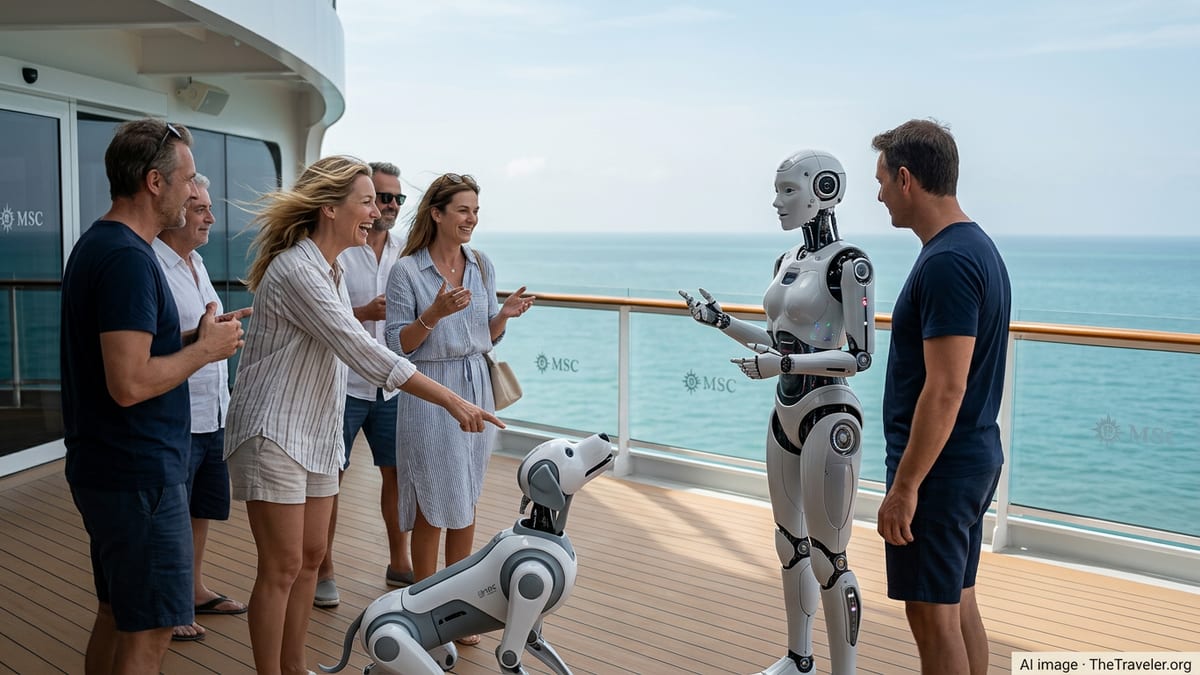
AI Moves to the Heart of Cruise360 Program
Cruise Lines International Association’s flagship regional conference, Cruise360 Australasia, is positioning AI as one of its defining themes, reflecting how quickly digital innovation has moved up the cruise industry agenda. Recent program information for the multi-day conference in Brisbane highlights sessions dedicated to technology and data, alongside more traditional discussions on deployment, distribution and destination development.
Publicly available outlines of the Cruise360 agenda indicate that specialist panels will examine AI as both a commercial tool for travel sellers and a strategic issue for cruise lines. Organisers describe the overarching conference focus with terms such as “Navigate, Innovate, and Excel,” signalling that AI is no longer treated as a niche experiment but as a mainstream topic for business planning.
The event’s evolution mirrors wider changes across global tourism, where AI is increasingly embedded in booking platforms, customer relationship management and revenue optimisation. By placing AI-related content within its core conference schedule, Cruise360 Australasia is giving the technology equal weight with other structural forces shaping the cruise market.
Experts to Debate Benefits and Risks for Cruise Sales
Much of the anticipated discussion centres on how AI will change the way cruises are researched, sold and supported. Industry coverage of the Cruise360 program points to sessions framed around AI as a “powerhouse” behind the scenes, automating tasks such as lead scoring, itinerary matching and post-cruise follow up, while giving agents richer insights into client behaviour.
For travel advisors, AI promises faster, more targeted recommendations and the ability to draw on vast data sets about pricing patterns, cabin availability and onboard preferences. At the same time, commentators note concerns that over-automation could weaken the personal relationships that have traditionally underpinned cruise sales, particularly in the Australasian market where complex, high-value itineraries are common.
Panellists are expected to weigh these trade-offs, exploring how far AI should be allowed to make real-time decisions on offers and pricing, and where human judgement remains critical. The debate is likely to touch on transparency around algorithmic recommendations and how to keep consultants at the centre of the customer journey, even as more processes move into the background.
Operational Uses of AI at Sea and on Shore
Beyond sales and marketing, Cruise360 Australasia is also set to explore the operational impact of AI, from fleet deployment models to onboard service delivery. Industry reports highlight growing interest in using predictive analytics to refine scheduling, port calls and fuel consumption, as cruise lines respond to environmental pressures and capacity constraints in popular destinations.
Onboard, AI-driven technologies are being trialled for crowd management, personalised activity suggestions and real-time service recovery, using data drawn from mobile apps, wearable devices and shipboard sensors. These tools promise smoother flows around ships, more efficient staffing and tailored experiences that reflect each guest’s past behaviour and stated preferences.
However, public discussion ahead of Cruise360 also points to open questions around data governance and passenger consent. Delegates are expected to consider how far cruise operators should go in collecting and analysing behavioural data, how securely it can be stored, and how clearly guests are informed about the use of AI systems while on board.
Training, Ethics and Regulation in Focus
With AI capabilities accelerating, Cruise360 Australasia is giving increasing attention to the skills and ethical frameworks that will be needed across the sector. Membership and training materials released by CLIA in the region stress the importance of ongoing professional education, suggesting that future-ready cruise specialists will need at least a working grasp of AI-driven tools.
Sessions flagged in pre-event coverage point toward practical guidance on integrating AI into day-to-day workflows without losing sight of regulatory and reputational risks. Issues such as data protection, bias in recommendation engines and compliance with emerging digital regulations are expected to feature, particularly as governments review rules around automated decision-making and consumer rights.
Advisors attending Cruise360 are likely to hear that AI literacy will become a differentiator in the marketplace, both for individual consultants and for agencies positioning themselves as cruise experts. As AI systems become more accessible and more powerful, structured training and clear ethical boundaries are seen as essential to maintaining trust among travellers.
Australasia’s Cruise Market Looks to an AI-Shaped Future
The focus on AI at Cruise360 Australasia comes at a time of renewed momentum for cruising in the region, with recent CLIA figures showing passenger numbers above pre-pandemic levels. Organisers present the conference as a platform for aligning that growth with technological innovation, encouraging stakeholders to look beyond short-term booking cycles toward longer-term shifts in traveller expectations.
By convening cruise line executives, destination representatives and front-line sellers around the topic of AI, the event underscores that digital transformation is now central to strategy rather than an optional add-on. Debates in Brisbane are likely to influence how quickly new tools are tested and scaled across the Australasian market, from small-ship expedition operators to large contemporary brands.
For travellers, the outcomes may be felt in more personalised pre-cruise communication, smoother port experiences and new forms of onboard engagement. For the industry, Cruise360’s AI conversations represent an opportunity to balance efficiency with empathy, ensuring that the technology enhances rather than diminishes the human connections that have long defined the appeal of cruising.