

More news on this day
Hundreds of U.S. travelers faced unexpected disruption over the weekend as severe weather around Hartsfield Jackson Atlanta International Airport led to more than a dozen cancellations and numerous delays across carriers including Spirit Airlines, Republic Airways and Endeavor Air, affecting key routes to New York City, Chicago, Fayetteville and other domestic destinations.
Get the latest news straight to your inbox!
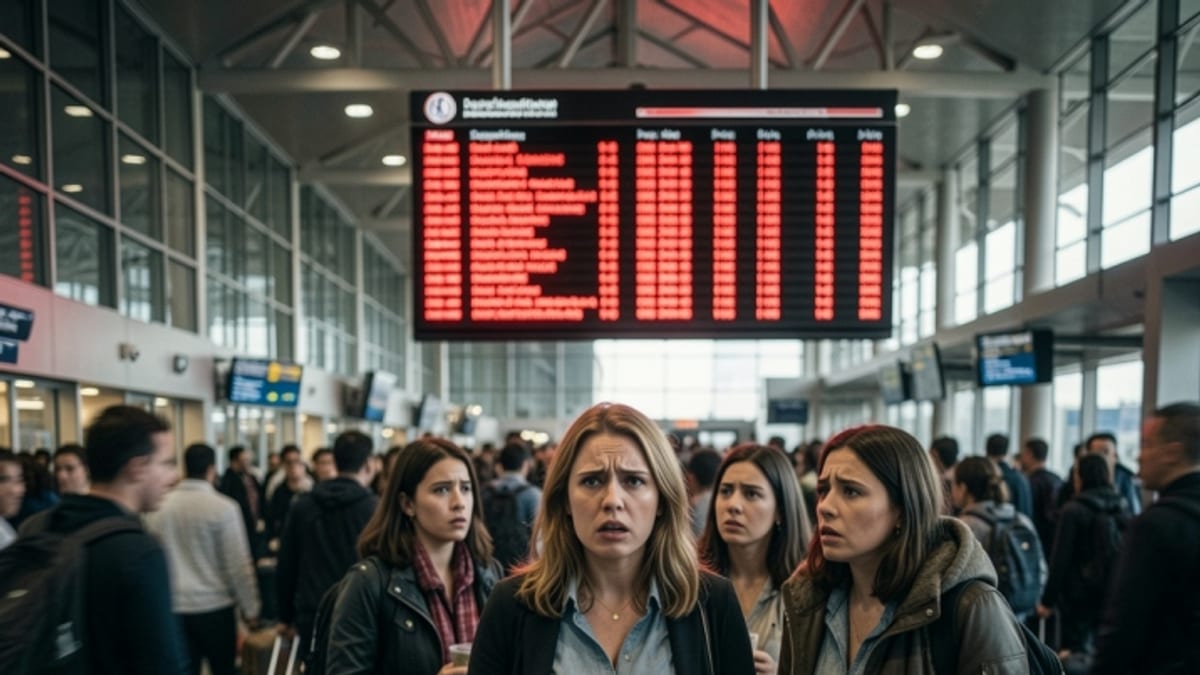
Image by Travel and Tour World – Tourism, Airline, Destination, MICE, Gobal Travel Market, Hotel news that you will find only over here.
Storms Near Atlanta Trigger Fresh Wave of Cancellations
Publicly available flight tracking data and traveler reports indicate that a line of strong storms passing through Georgia forced air traffic managers to slow and at times briefly halt arrivals into Hartsfield Jackson Atlanta International Airport, creating a rapid buildup of delays that later cascaded into cancellations. Departures bound for Atlanta were also held or diverted, preventing aircraft and crews from reaching the hub on schedule.
Ground stops and flow control measures affecting Atlanta, which is a key connecting point for both mainline and regional carriers, left airlines with limited options to recover their schedules as the day progressed. Flights between Atlanta and major Northeast and Midwest cities, including New York and Chicago, were among the first to see extended delays as thunderstorms moved along the Eastern Seaboard and into busy air corridors.
As the disruption continued, regional operations feeding Atlanta were particularly vulnerable. Flights operated by regional affiliates such as Republic Airways and Endeavor Air that connect smaller markets into larger hubs saw a mix of long delays and last minute cancellations when aircraft and crews could not be repositioned in time, adding pressure on already crowded departure boards.
Spirit, Republic and Endeavor Among Carriers Hit Hard
According to real time cancellation tallies shared by aviation watchers, ultra low cost carrier Spirit Airlines recorded a significant number of cancellations and delays as the day wore on, including flights touching Atlanta and other East Coast airports in the path of the storms. Travelers reported abrupt schedule changes, with some aircraft never leaving their origin city once arrival slots into Atlanta tightened.
Regional carrier Republic Airways, which operates flights under the banners of larger U.S. airlines, also appeared prominently in cancellation summaries compiled by frequent travelers monitoring the disruption. Because regional airlines operate tightly scheduled fleets and often rely on specific crew bases, the weather related interruptions at a major hub such as Atlanta can quickly result in a chain reaction of scrubbed departures across multiple hubs.
Endeavor Air, another large regional operator, featured in the same tallies, with a notable share of its scheduled services affected on the day of the storms. Industry performance reports from the U.S. Department of Transportation have previously shown that regional airlines and lower cost carriers can be disproportionately impacted during irregular operations, given their smaller spare aircraft reserves and less flexible crew networks compared with the largest legacy airlines.
Key Routes to New York, Chicago and Fayetteville Disrupted
Among the most visible impacts for travelers were disruptions on routes linking Atlanta with major business and leisure markets along the East Coast and in the Midwest. Flights between Atlanta and New York area airports saw delays stretch through peak travel periods, as air traffic flows remained tightly managed due to thunderstorms along the broader corridor.
Chicago bound services also experienced ripple effects, with some Atlanta departures delayed while crews and aircraft were reassigned or repositioned from previously disrupted flights. Available tracking information shows that scheduling knock on effects extended into the evening, limiting opportunities for airlines to mount recovery flights before nightly curfews and crew duty limits took effect.
Smaller and mid sized destinations such as Fayetteville, served primarily by regional jets feeding into larger hubs, were hit when connecting segments through Atlanta were canceled outright. Travelers in these markets often have fewer alternative flights, meaning even a single cancellation can translate into lengthy rebookings, overnight stays or complete changes in itinerary when same day options are exhausted.
Hundreds of Travelers Face Missed Connections and Overnight Delays
Posts on social media platforms and travel forums from Sunday and Monday described crowded gate areas and long customer service lines at Atlanta as passengers sought new connections after their original flights were canceled or significantly delayed. Many accounts referenced missed onward journeys to cities including New York, Chicago and several secondary destinations across the Southeast.
Reports indicate that some travelers arriving late into Atlanta found that their final legs to regional airports had already been canceled or had departed without them, forcing unplanned overnight stays or lengthy drives to reach their destinations. For those on low cost carriers such as Spirit Airlines, limited interline agreements with other airlines narrowed the range of rebooking options and sometimes required purchasing last minute tickets on competing carriers.
Families and leisure travelers appeared particularly affected, with several accounts noting that spring break timing and weekend departures had filled many remaining seats. As a result, displaced passengers reported being offered rebooked flights one or more days after their original travel date, while others chose to cancel their trips entirely when timely alternatives were not available.
Weather, Tight Schedules and Structural Vulnerabilities Highlighted
While thunderstorms around Atlanta served as the immediate trigger for the latest bout of disruption, aviation performance data and industry analyses suggest that a combination of tight scheduling, high aircraft utilization and constrained staffing can leave airlines with limited resilience when major hubs experience weather related slowdowns. Carriers such as Spirit, Republic and Endeavor typically run dense schedules that seek to maximize aircraft time in the air, leaving less slack to absorb unexpected delays.
Historic on time performance reports published by the U.S. Department of Transportation show that regional operators and some low cost carriers often have higher relative cancellation percentages during periods of system wide stress compared with the largest network airlines. This pattern, combined with the central role of Atlanta as a key connecting hub across multiple carriers, helps explain how a localized weather event can quickly translate into cancellations stretching to New York, Chicago, Fayetteville and numerous other cities.
Travelers caught up in the latest disruption are being encouraged by consumer advocates and travel writers to monitor flight status closely, make use of mobile apps and airport displays for near real time updates, and review airline policies on rebooking and refunds during irregular operations. Publicly available guidance also suggests that those with time sensitive itineraries consider earlier departures or alternative routings when major hubs such as Atlanta are forecast to face severe weather.