

More news on this day
A burst of severe March weather has stranded scores of spring break travelers at Omaha’s Eppley Airfield, with publicly available data showing 10 flights delayed and three canceled on a key getaway day for passengers booked on American Airlines, Delta Air Lines, and United Airlines to major hubs including New York, Chicago, and Denver.
Get the latest news straight to your inbox!
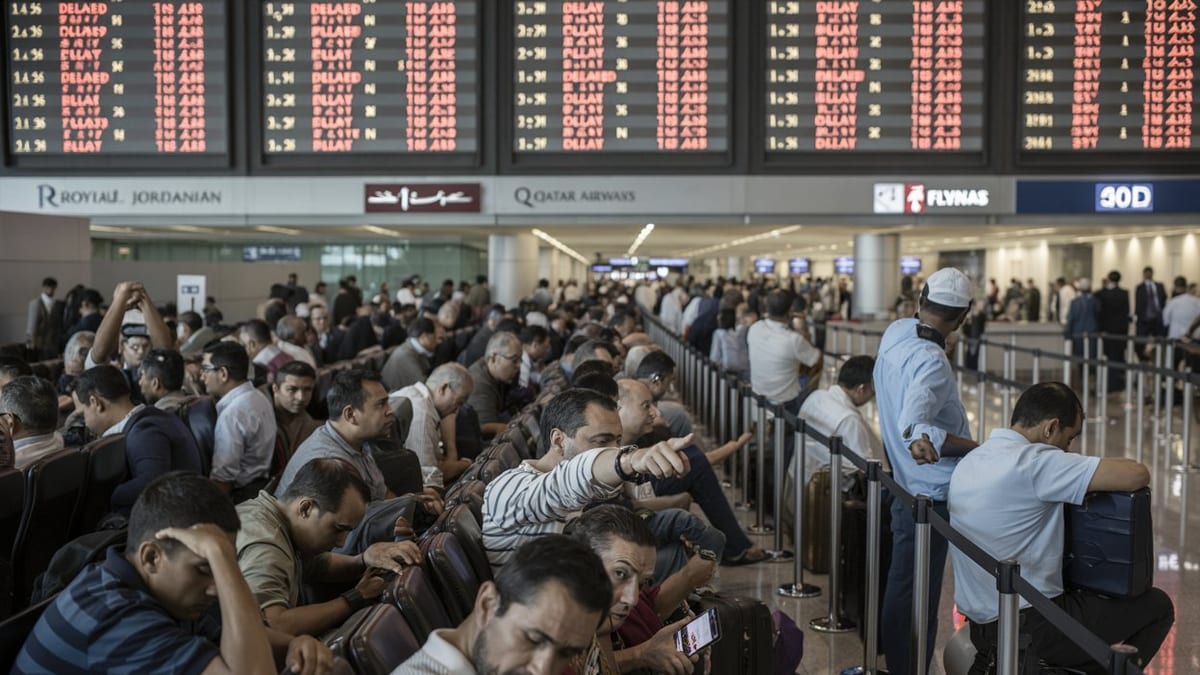
Image by Travel And Tour World
Storm System Ripples Through Midwest Flight Network
The disruptions in Omaha are part of a broader wave of weather-related problems affecting large parts of the United States in mid-March 2026. Meteorological reports describe a sprawling storm system bringing high winds, snow, and severe thunderstorms to multiple regions, conditions that frequently trigger ground stops and air traffic flow controls at major hub airports.
Published coverage of the March 2026 storm indicates that thousands of flights across the country have been canceled or delayed as airlines adjusted schedules around the fast-changing conditions. Operations at heavily used connecting hubs such as Chicago O’Hare, New York area airports, and Denver International have been among the most affected, amplifying knock-on effects for smaller airports like Omaha that rely on those hubs for both origin and connecting traffic.
At Eppley Airfield, the combination of local wind and visibility constraints with inbound bottlenecks at larger hubs appears to have driven the series of delays and cancellations. Tracking data for Sunday departures shows multiple flights pushed back by more than an hour, while a smaller number were removed from the day’s schedule altogether as airlines sought to reset aircraft and crew rotations.
While Omaha is not one of the nation’s largest airports, it serves as a key origin point for regional travelers heading to coastal cities and mountain destinations for spring break. That role magnifies the impact when storms disrupt the carefully timed web of flights linking Nebraska to the rest of the country.
American, Delta, and United Routes Hit at Peak Travel Time
American, Delta, and United jointly operate the bulk of Eppley’s network to major domestic hubs. According to current schedule information published by the airport and the airlines, American focuses on routes such as Chicago and Dallas, Delta connects Omaha to Minneapolis and other hub cities, and United offers multiple daily links to Chicago and Denver.
On the affected day, the 10 delays and three cancellations were concentrated on these high-traffic corridors, particularly services heading to New York via connecting hubs, to Chicago O’Hare, and to Denver. With those flights feeding large national networks, even a handful of schedule changes in Omaha translated into missed connections and last-minute rebookings for passengers trying to reach destinations across the United States and beyond.
Publicly available tracking tools show that some departures to Chicago and Denver left Omaha significantly behind schedule, in several cases after crews and aircraft arrived late from other storm-hit airports. A smaller number of flights were canceled outright, leaving travelers to compete for open seats on later departures or rerouted itineraries through alternate hubs.
The timing compounded the effect. The cancellations and delays unfolded during one of the busiest weekends of the spring break period, when load factors are typically high and spare seats can be scarce. That left many passengers facing long waits at customer service counters and limited options for same-day rebooking.
Impact on Spring Break Plans Across New York, Chicago, and Denver
The ripple effects of the Omaha disruptions reached far beyond Nebraska. For many travelers, Eppley Airfield was the first leg of a longer journey to vacation spots anchored by major hubs. Flights to Chicago and New York support onward connections to Florida beaches, Caribbean resorts, and East Coast cities, while Denver serves as a primary gateway to Rocky Mountain ski areas popular during late-season spring break trips.
Available itinerary data suggests that families, college students, and leisure travelers made up a sizeable share of those affected. With planes operating close to capacity, rebooking often meant accepting itineraries with multiple stops, traveling on red-eye flights, or delaying departures by a full day or more. For travelers relying on tightly planned hotel stays, ski passes, or cruise departures, even a single missed connection could disrupt an entire week’s plans.
Reports from national outlets tracking the March storm describe widespread strain on airline call centers and mobile rebooking channels as passengers across the country attempted to adjust plans simultaneously. Travelers originating in Omaha encountered the same pressure, with some able to secure alternative routes through secondary hubs and others choosing to postpone or abandon trips altogether when options became too convoluted or expensive.
At the same time, the three cancellations at Eppley removed key nonstop or one-stop links from the day’s schedule, narrowing the path for spring breakers trying to salvage their vacations. For some, nearby airports within driving distance offered limited relief, but shifting departure points at short notice also introduced added logistics and cost.
Airlines Lean on Rebooking, Waivers, and Operational Resets
In response to the severe-weather pattern, major U.S. carriers have used a familiar toolkit that includes advance cancellations, rolling delays, and flexible rebooking policies. Publicly posted travel advisories from recent storms show that airlines frequently preemptively trim schedules at vulnerable hubs to reduce the risk of extended onboard delays and to maintain some reliability for the flights that do operate.
While specific customer policies vary by carrier and situation, publicly available information for similar weather events indicates that airlines often allow affected passengers to change flights without additional fees within a limited time window or to reroute through alternate hubs if space is available. Travelers from Omaha dealing with disrupted service to New York, Chicago, or Denver have been navigating those options, weighing whether to wait out the storm’s impact in Nebraska or attempt to reposition via other cities.
Operationally, the pattern of 10 delayed flights and three cancellations at Eppley reflects a broader effort by airlines to reset aircraft and crew schedules after several days of severe weather. When storms hit multiple hubs, aircraft and crew members can quickly fall out of their planned sequences, forcing carriers to prioritize certain routes and temporarily scale back others until the system stabilizes.
For Omaha-based travelers, that often means that short-haul hub flights bear the brunt of short-term cancellations, especially when those routes are served multiple times per day. While that strategy can help airlines preserve longer-haul flights with fewer alternatives, it increases the likelihood that passengers starting their journeys in smaller markets will face extended disruptions and complex rebooking scenarios.
What Travelers Can Expect in the Days Ahead
With national forecasters indicating that the March storm system is moving eastward and gradually losing intensity, the most acute operational pressures across the network are likely to ease over the next several days. However, airline performance data from past severe-weather events suggests that residual delays and aircraft imbalances can linger as carriers reposition planes and crews back to their normal patterns.
For passengers scheduled to depart Omaha in the immediate aftermath of the disruption, publicly available guidance from aviation and consumer travel organizations recommends monitoring flight status frequently, using airline mobile apps where possible, and checking in as early as permitted to improve access to rebooking options if needed. Travelers who must make tight connections in Chicago, New York, or Denver may benefit from building in additional buffer time or considering earlier departures.
In the longer term, the episode underscores how quickly a regional storm can disrupt travel for medium-sized markets that are heavily reliant on a few key hubs. Eppley Airfield ordinarily functions as a relatively efficient gateway for the central Plains, but its dependence on weather-sensitive hubs means that spring break travelers from Omaha will likely continue to face occasional last-minute itinerary changes when severe systems sweep across the country.
As airlines, airports, and passengers work through the aftermath of the latest round of delays and cancellations, the experience at Eppley adds another case study to the growing list of spring break travel seasons shaped as much by the jet stream as by demand.