


More news on this day
Fresh rounds of severe thunderstorms are pelting Chicago’s South Side and nearby northwest Indiana this week, knocking down more trees and power lines in neighborhoods that are still struggling to recover from a destructive tornado outbreak earlier in June.
Get the latest news straight to your inbox!
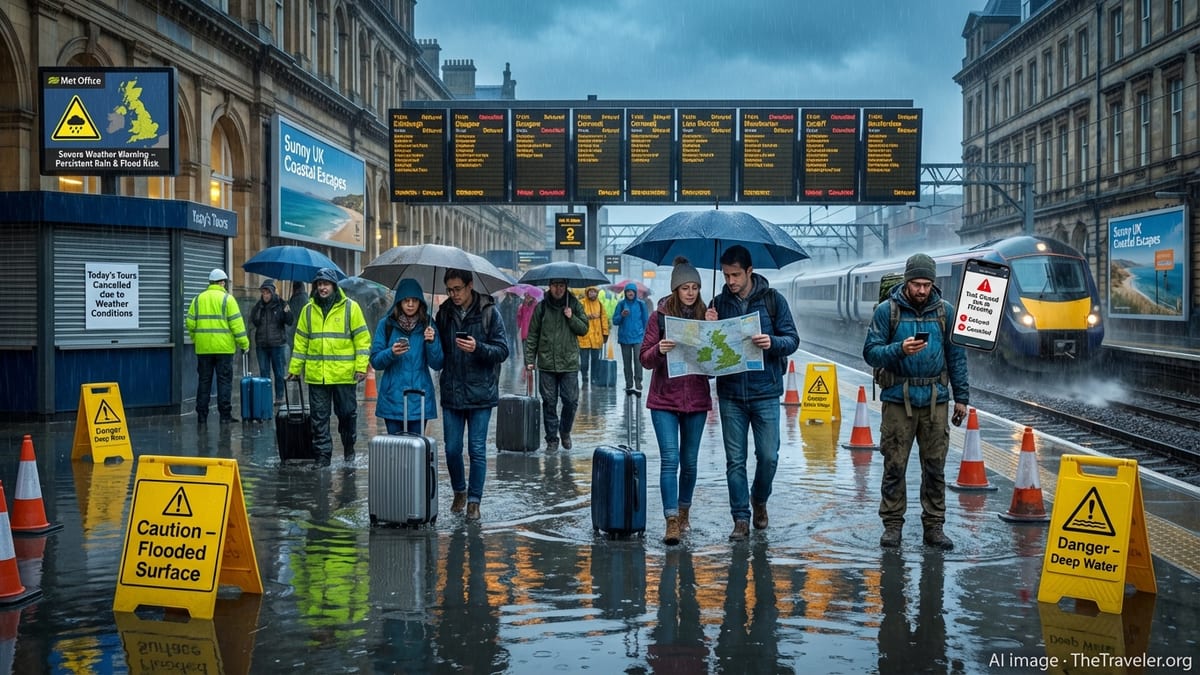
New storms sweep into already battered neighborhoods
Showers and storms that developed late Wednesday and continued into Thursday have targeted many of the same corridors hit hard by the June 11 tornado outbreak and straight line wind damage. Forecast discussions and radar estimates show the most recent systems tracking across the South Side, southern Cook County and into Lake and Porter counties in northwest Indiana, with repeated clusters of heavy rain, lightning and strong wind gusts.
Local weather coverage indicates that while the latest storms have not matched the intensity of the earlier outbreak, they arrived on top of weakened trees, saturated ground and patched-up power infrastructure. That combination has translated into new pockets of tree damage, scattered street flooding and recurring power interruptions, particularly in communities that only recently saw service restored.
On Chicago’s South Side, residents have reported additional limbs crashing onto cars and alleys, and new debris piles forming along residential blocks still lined with cut trunks and stacked branches from the earlier storms. In northwest Indiana, social media posts and local outlets describe fresh outages and flickering service from La Porte west toward Hammond and Merrillville, where tornado damage earlier this month remains visible.
Meteorologists tracking the latest wave describe a broader pattern of unsettled weather for the region, with the Storm Prediction Center again flagging parts of northeast Illinois and northwest Indiana for the risk of damaging winds and hail. Even if tornado chances are lower than during the June 11 event, forecasters stress that repeated severe thunderstorms can prolong recovery and slow infrastructure repairs.
Weeks after tornadoes, cleanup and repairs remain far from finished
The renewed storms are hitting communities that are still in the middle of a long cleanup. Earlier in June, a powerful line of storms spawned more than a dozen tornadoes across northeast Illinois and northwest Indiana, including confirmed tornadoes tracking near Chicago’s Midway International Airport and into communities south and east of the city. Published reports from media outlets and the National Weather Service show that the outbreak toppled hundreds of trees, damaged homes and apartment buildings, and tore through commercial strips from Hickory Hills and Oak Lawn to Merrillville.
In the days immediately following that outbreak, utilities reported hundreds of thousands of customers without power across the Chicago region. According to publicly available company updates, ComEd said it had restored power to roughly 582,000 customers by June 12, but outages persisted on the South Side and in south suburban communities where poles and lines required more complex repairs. In Indiana, data compiled by poweroutage tracking services showed tens of thousands of homes and businesses in the dark at the height of the event.
Some suburbs farther from the city are also still catching up. Local reporting from Bartlett and other northwest suburbs this week describes neighborhoods where tree crews are back on the same streets they visited after earlier tornado damage, removing newly cracked limbs and re-tensioning sagging power lines. Those scenes mirror what is unfolding on the South Side and across parts of northwest Indiana, where the line between June’s tornado cleanup and the latest wind damage is increasingly blurred.
County and municipal storm assessments released in recent days indicate that the combined impact of the derecho-strength winds and tornadoes earlier this month will take weeks, if not months, to fully repair. The repeated need to clear debris and check infrastructure after each new storm system is stretching work crews and slowing visible progress at the neighborhood level.
Power outages linger on Chicago’s South Side and in northwest Indiana
As of Thursday, outage maps from major utilities show that while the number of customers without power is down sharply from the peak earlier in June, pockets of the South Side and northwest Indiana remain vulnerable to renewed interruptions. Scattered outages have been reported in neighborhoods such as West Pullman, Beverly, Chatham, South Shore and Mount Greenwood, which were among the hardest hit during the mid month storms.
In statements published on corporate and news websites over the past week, ComEd has emphasized that the most complex restoration work involves heavily damaged circuits, backyard lines and locations where tree removal must be completed before crews can safely re string wires. That type of repair is common on older, tree lined South Side streets, where multi family buildings sit close to overhead lines. Each additional thunderstorm adds the risk of more branches coming down onto lines that have only recently been re energized.
Across the state line, NIPSCO’s service area in northwest Indiana has seen similar challenges. Media coverage and online outage trackers show that communities from Gary and Hammond to Merrillville and Portage have cycled through multiple rounds of restorations and new outages as storms continue to move through. Social media posts from residents describe brief but recurring losses of electricity, along with persistent concerns about food spoilage, medical equipment and cooling during humid stretches.
Utilities have pointed to an unusually active severe weather pattern this year, with multiple tornado events and damaging wind episodes sweeping the region since late spring. Analysts note that even with expanded tree trimming and infrastructure upgrades, repeated hits in the same corridors can quickly exhaust built in redundancies and leave certain neighborhoods more exposed to service interruptions.
Day to day life disrupted as residents face repeated losses of power
For many residents, the return of thunderstorms has been less about dramatic funnel clouds and more about the everyday disruptions that follow. Reports from neighborhood groups and local media describe households on the South Side that have lost power multiple times over the past two weeks, interrupting work from home schedules, forcing emergency grocery runs and complicating care for elderly or medically vulnerable relatives.
Small businesses in affected corridors, from corner stores to restaurants and salons, continue to juggle the cost of spoiled inventory and unexpected closures every time the lights go out. In some South Side commercial districts, business owners told local reporters that they only fully reopened days after the June 11 storms, only to contend with another round of outages and street closures after this week’s severe weather.
Transportation has also been affected. Downed trees and temporary loss of traffic signals along key arterials have slowed commutes and bus routes, particularly on the Far South Side and in industrial corridors leading into northwest Indiana. While most intersections are back online quickly, even short disruptions can ripple outward during peak travel times, especially when standing water and debris narrow already congested lanes.
Community organizations and churches in both Chicago and northwest Indiana have stepped in with cooling centers, charging stations and food distributions during longer outages. Publicly available announcements show these efforts are often coordinated informally through social media and neighborhood networks, filling gaps when centralized shelters or formal relief centers are not immediately available.
Storm threat continues as region heads into a hotter stretch
Looking ahead, forecasts for the Chicago area and northwest Indiana call for a shift toward warmer, more humid conditions heading into the final days of June, but with lingering chances for additional thunderstorms. Meteorologists caution that while the overall severe threat may trend lower on some days, any storm that develops in this environment has the potential to produce damaging wind gusts and localized flooding.
Recent climate assessments and seasonal outlooks have highlighted a tendency toward more frequent and intense warm season storms across parts of the Midwest. While individual events cannot be attributed to any single cause, scientists note that a warmer atmosphere can hold more moisture, fueling heavier downpours and higher rainfall rates, which in turn increase the risk of flash flooding and saturated soils that make trees more likely to topple in strong winds.
For residents on Chicago’s South Side and in northwest Indiana communities already weary of sirens and cleanup, the message from weather experts and emergency managers is to remain prepared for additional rounds of active weather. Guidance shared through public channels encourages households to keep phones charged when storms are in the forecast, identify safe interior rooms for tornado warnings and check in on neighbors who may struggle during extended outages.
As June closes, the region’s focus is split between finishing repairs from earlier tornadoes and bracing for whatever the next line of storms may bring. With tree crews, line workers and residents all racing the calendar toward peak summer heat, the hope across the South Side and northwest Indiana is for a quieter stretch of weather to finally take hold.