


More news on this day
Flight operations at Nairobi’s Jomo Kenyatta International Airport were severely disrupted for a second day on Monday, as a workers’ strike left thousands of passengers stranded overnight at Kenya’s main international gateway.
Get the latest news straight to your inbox!
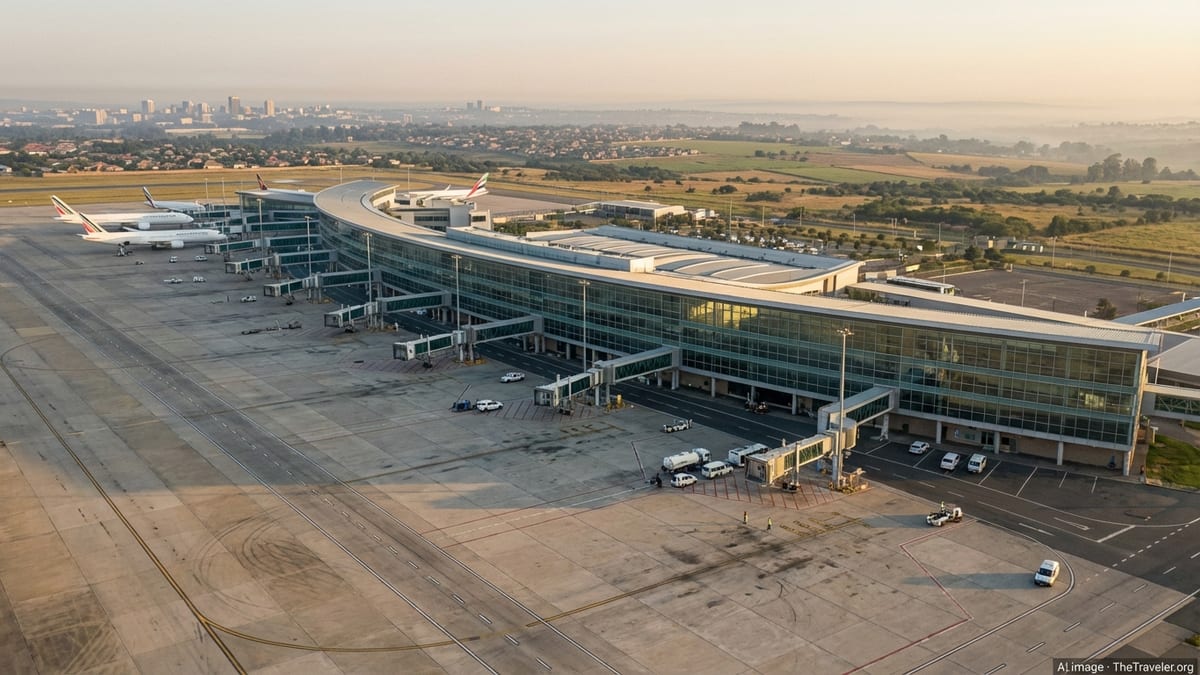
Second Day of Disruption at Kenya’s Busiest Hub
Reports from Nairobi indicate that the strike began on Sunday, August 30, 2026, as a go-slow by aviation staff before escalating into wider industrial action across key departments at Jomo Kenyatta International Airport (JKIA). By early Monday, August 31, queues had spilled through departure and check in halls, with some travelers spending the night on terminal benches and floors as flights were delayed or cancelled.
Coverage from local and international outlets describes scenes of crowded terminals, families sleeping beside luggage trolleys and long lines at airline desks as carriers attempted to rebook passengers on limited available services. Some airlines reportedly arranged hotel accommodation and meal vouchers, but capacity in nearby hotels was quickly exhausted amid the continuing disruption.
Publicly available information shows that the impact was not confined to Nairobi. Flight schedules at Moi International Airport in Mombasa and several regional airfields were also affected, as staff affiliated with the Kenya Aviation Workers Union (KAWU) joined the action or engaged in go slows. The resulting network wide disruption left passengers across the country facing missed connections and lengthy, uncertain waits.
Data from recent aviation reports highlights the scale of the disruption. JKIA is one of Africa’s busiest hubs and a critical connector between East Africa, the Middle East and Europe, handling millions of passengers annually and serving as a primary base for Kenya’s national carrier and several international airlines. A prolonged slowdown at the airport quickly reverberates across regional flight networks.
Pay, Working Conditions and Bargaining Rights at the Heart of the Dispute
According to published coverage, the strike action has been organized by KAWU, which represents a broad range of aviation workers, including air traffic control staff, ground handling crews and support personnel. The union has raised long running concerns over pay, staffing levels, benefits and what it views as delayed implementation of collective bargaining agreements.
Media reports link the current stoppage to earlier disputes over the terms of employment at Kenya’s main airports, including previous work slowdowns and strike notices issued in recent years. In February 2026, for example, JKIA experienced a shorter walkout over a collective bargaining impasse, while a separate industrial action in 2024 targeted plans to lease airport operations to a private operator. The recurring nature of these disputes underscores the depth of worker frustration over conditions and long term job security.
Public documents from union communications and past strike notices refer to concerns about rising workloads, overtime and safety responsibilities that workers say are not reflected in their compensation or staffing allocations. The current go slow has reportedly focused on critical operational roles, including air traffic management and ground operations, where even small reductions in staffing or efficiency can lead to cascading delays.
Reports also indicate that negotiations between union representatives and government or airport management officials are ongoing, with both sides publicly signaling a willingness to avoid a protracted shutdown. However, as of Monday afternoon in Nairobi, no comprehensive settlement had been announced, and airlines continued to publish revised schedules and advisories.
Stranded Passengers Face Missed Connections and Extra Costs
Passengers caught up in the disruption have faced a range of immediate challenges, from missed international connections and lost hotel nights to unexpected expenses for accommodation, meals and local transport. Coverage from regional newsrooms and wire services describes travelers bedding down in seating areas, waiting for information on whether their flights would depart, be rebooked or cancelled outright.
Several carriers have issued advisories urging customers not to travel to the airport without first confirming their flight status online or through call centers. Publicly available information suggests that some airlines have allowed free rebooking or provided limited support such as hotel transfers and meal vouchers, but these measures have not been sufficient for all affected travelers, especially those on tight itineraries or with nonrefundable bookings.
Online accounts from affected passengers point to long lines at check in counters and customer service desks, with some travelers reporting delays of more than six hours before receiving clarity on their options. For those transiting through Nairobi on multi segment itineraries, the knock on effects have included missed safaris, cruise departures and connecting flights to other African and international destinations.
Consumer advocates frequently highlight that, in such situations, the level of assistance passengers receive can depend on the airline, ticket type and applicable air travel regulations. Kenya does not have a uniform compensation regime comparable to the European Union’s passenger rights framework, so travelers may need to rely on individual carrier policies and travel insurance for reimbursement of additional costs.
Economic Stakes for Kenya’s Aviation and Tourism Sectors
The disruption at JKIA carries wider implications for Kenya’s economy, given the airport’s role in both passenger travel and cargo operations. Previous analyses of the aviation sector show that JKIA supports billions of dollars in economic activity annually, including tourism, horticulture exports and regional trade. Even short term shutdowns can affect time sensitive shipments, such as fresh flowers and vegetables destined for European markets.
Reports from business oriented outlets note that airlines and cargo operators are monitoring the situation closely, since extended delays can affect fleet utilization, crew scheduling and contractual obligations to shippers. In earlier strikes, exporters and tourism businesses warned that repeated operational disruptions risk undermining Kenya’s reputation as a reliable regional hub and could prompt some carriers or logistics firms to adjust routings.
Tour operators and hotel groups are also watching developments, as JKIA serves as the primary international arrival point for visitors heading to Kenya’s beach resorts and wildlife destinations. A significant portion of high value itineraries, from safari packages to conference tourism, depends on predictable air links into Nairobi and coastal airports. If the strike continues, travel planners may be forced to reroute guests through alternative hubs or postpone trips.
At the same time, analysts quoted in previous coverage of similar disputes have observed that resolving the underlying labor tensions is central to long term stability. Addressing staffing, pay and infrastructure concerns at JKIA could help reduce the likelihood of recurring stoppages that disrupt both everyday travel and major events.
Advice for Travelers With Upcoming Flights Through Nairobi
With negotiations still in progress and operations subject to change at short notice, travel industry guidance emphasizes the importance of monitoring flight information closely. Public advisories from airport and airline channels urge passengers scheduled to depart from or transit through JKIA to check their flight status before heading to the airport and to ensure that their contact details are up to date in airline booking systems.
Travel experts commonly recommend building in additional buffer time for connections when flying through hubs affected by industrial action and considering flexible booking options that allow changes without heavy penalties. For those yet to begin their journeys, contacting airlines, travel agents or tour operators as early as possible may improve the chances of securing alternative routings if cancellations continue.
Passengers already in Nairobi or other affected Kenyan airports are being encouraged, through publicly available notices, to follow instructions from airline staff, monitor official social media channels and airport websites, and retain receipts for any out of pocket expenses that might later be claimed from carriers or insurers. While timelines for a resolution remain uncertain, previous strikes at JKIA have typically been settled within a few days once intensive talks are underway.
Travelers planning trips to Kenya in the coming weeks may wish to continue with their arrangements while keeping a close eye on developments. Industry observers note that once labor agreements are reached and normal operations resume, airports and airlines usually prioritize clearing backlogs, with extra flights or upgauged aircraft scheduled to move stranded passengers and restore regular timetables.
Associated Press coverage of the JKIA strike
Deutsche Welle report on passengers stranded at JKIA
Standard Media reporting on the aviation workers’ strike
K24 analysis of how the strike affects flights and passengers