


More news on this day
Syria has opened its 2026 summer travel season with a sharp focus on regional visitors, as growing flows from Jordan, Iraq, Egypt, Saudi Arabia, the UAE and Kuwait begin to reshape the country’s tourism recovery and wider economic outlook.
Get the latest news straight to your inbox!
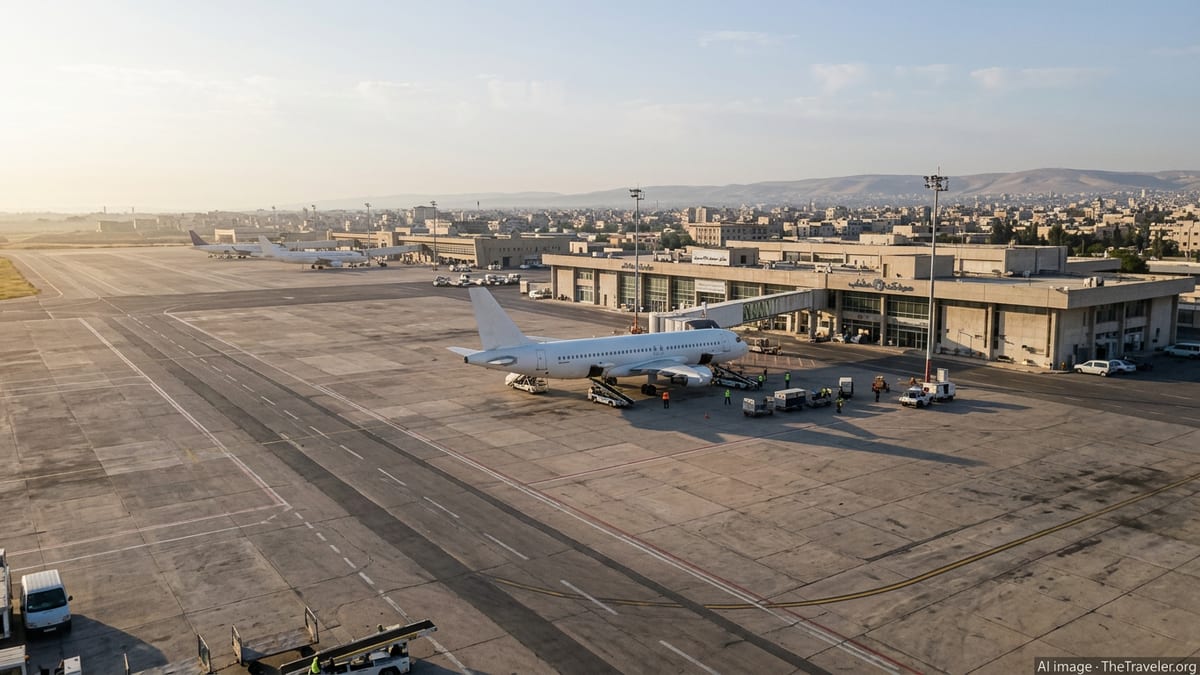
Jordan Leads a New Wave of Regional Visitors
Publicly available data from Syria’s Ministry of Tourism and regional media coverage indicate that Jordan has emerged as the single largest source of visitors to Syria. Reports from 2025 showed close to 395,000 Jordanian arrivals, almost double the previous year, underscoring how land links and cultural proximity are driving cross-border travel as security conditions improve along key corridors.
Analysts note that price-sensitive Jordanian travelers are taking advantage of comparatively lower accommodation and dining costs in Syrian cities such as Damascus and Aleppo, particularly during religious holidays and long weekends. This trend has coincided with a slowdown in Jordan’s own inbound tourism since late 2023, encouraging some outbound Jordanians to look north for short stays and family visits that also support Syria’s hard-hit hospitality sector.
Media coverage of Jordan’s Jaber Nasib crossing shows that, after intermittent closures in 2024 linked to security concerns, land travel has gradually normalized with streamlined procedures for private vehicles and tour buses. Travel agencies in Amman and Irbid are once again promoting weekend packages to Damascus and coastal areas, with itineraries centered on shopping, historic quarters and religious sites.
The growing volume of Jordanian and other Arab visitors is particularly significant for Syria because most Western governments continue to maintain strict travel advisories. With European and North American markets still effectively shut, the country’s tourism rebound is being led by regional travelers who are more familiar with local conditions and can more easily reach Syria by road.
Summer Launch in Tartus Highlights Coastal Revival
The formal launch of the 2026 summer season has been closely associated with fresh activity on Syria’s Mediterranean coast. Coverage by regional outlets describes recent ceremonies in Tartus governorate, where authorities inaugurated new facilities linking the port city with nearby Arwad Island, including the Al Tahouna maritime terminal and environmental cleanup initiatives for local beaches.
These developments are being framed domestically as a symbol of a wider coastal revival, positioning Tartus and the nearby city of Latakia as core pillars of Syria’s seasonal tourism offer. Tour operators are promoting the area’s milder summer climate and beach resorts to visitors from Jordan, Iraq and the Gulf, many of whom already travel north to escape extreme heat at home.
Local tourism planners are also seeking to leverage the coast as an entry point for multi-stop itineraries that combine seaside breaks with visits to inland cultural sites such as the Krak des Chevaliers fortress and the old city of Homs. By encouraging longer stays and more diverse spending patterns, officials hope to maximize the economic impact of each regional visitor.
At the same time, published reports stress that infrastructure remains under strain after years of conflict and underinvestment. Power cuts, limited air connectivity and patchy road conditions continue to affect some areas, requiring careful planning by operators serving travelers from neighboring states.
Investment, Security Measures and Digital Upgrades
Beyond the coastal launch events, Syria’s 2026 tourism push is being underpinned by a mix of new investment commitments and institutional reforms. Regional economic coverage in early 2026 highlighted agreements between Syria and Saudi Arabia that encompass airport upgrades in Aleppo and plans for a joint low-cost carrier, initiatives that could eventually make it easier for visitors from the Gulf to reach Syrian destinations.
Separately, a prominent Saudi digital services company announced a cooperation agreement with Syria’s Ministry of Tourism in February 2026, focused on digitizing records and modernizing the ministry’s administrative systems. Publicly available statements describe a program to introduce intelligent archiving, improve data management and lay the groundwork for more efficient, technology-driven services for hotels, tour operators and travelers.
Security remains a central concern for any recovery. Earlier in June, business media reported that Syria had established a dedicated Tourism Police unit tasked with protecting visitors and safeguarding key sites, including archaeological areas and new attractions under development. The unit’s creation is being presented as part of a broader effort to standardize security protocols and reassure potential visitors from Iraq, Jordan and the Gulf who may be weighing risk alongside cost and cultural ties.
Regional tourism specialists note that these measures align with broader global trends in which destination marketing is increasingly tied to demonstrable safety standards and digital readiness. For Syria, the combination of targeted security forces, modernized administration and selective investment in air and ground infrastructure is intended to gradually reposition the country as a viable stop for regional leisure and pilgrimage traffic.
Regional Context: Arab Travel and Economic Spillovers
The intensifying presence of visitors from Iraq, Egypt, Saudi Arabia, the UAE and Kuwait reflects wider patterns in Middle Eastern travel. United Nations tourism data show that global visitor numbers have broadly returned to, and in some cases exceeded, pre-pandemic levels, with the Middle East among the strongest-performing regions. Within that rebound, intra-regional trips have grown rapidly as rising air connectivity and easing visa procedures encourage residents to explore neighboring states.
For Syria, this means that nearby markets are now the primary target for growth. Iraq already sends substantial numbers of religious and medical visitors, while media in the Gulf report steady interest in cultural and heritage tourism once basic safety thresholds are met. Egyptian travelers, including expatriates working in Gulf states, are also part of the emerging mix, often combining Syria with broader Levant itineraries that include Lebanon and Jordan.
Economists tracking the region argue that this pattern of Arab-to-Arab travel has broader implications for recovery. Spending by visitors on accommodation, food, transport and shopping feeds directly into local employment in Syrian cities that have seen years of economic contraction. Cross-border trade is often intertwined with tourism flows, particularly along the Jordanian and Iraqi frontiers, where passenger buses and small traders share the same routes.
There are signs that regional cooperation frameworks are beginning to acknowledge this dynamic. Discussions within Arab aviation and tourism bodies in late 2025 and early 2026 have referenced Syrian projects, including new routes to Damascus and coastal airports. While many of these plans remain at an early stage, they point to a gradual re-integration of Syria into the Middle East’s broader tourism and transport networks.
Balancing Opportunity with Persistent Risks
Despite the upbeat tone surrounding Syria’s 2026 summer launch, the destination continues to be subject to stringent travel warnings from the United States and several European governments, which cite security risks, limited consular support and the legacy of conflict. Independent travel forums and community discussions reflect a divided picture, with some recent visitors describing positive experiences focused on hospitality and heritage, while others stress ongoing concerns about safety, infrastructure and bureaucracy.
For neighboring countries, the reopening of Syria’s tourism sector presents both opportunities and vulnerabilities. Jordan, Iraq and Lebanon rely on careful border management to prevent spillovers from any renewed instability, while also seeking to benefit from transit trade and tourism. Joint security committees and information-sharing arrangements, particularly between Amman and Damascus, are being framed in public reports as mechanisms to stabilize key crossings and protect legitimate travel.
Industry observers suggest that Syria’s path toward a sustainable tourism revival will depend on consolidating gains made among regional travelers while gradually expanding source markets as conditions allow. That will require continued investment in transport links, hospitality training and site preservation, along with transparent communication about risks and regulations.
For now, the 2026 summer season stands as an early test of how far the country’s repositioning can go. Rising arrivals from Jordan and other Arab neighbors, new coastal projects and a cautious stream of Gulf investment all point toward a sector seeking to move beyond survival toward structured growth, even as the shadow of past and present instability remains impossible to ignore.