

More news on this day
Rolling power cuts across Tehran following fresh attacks on energy infrastructure are rippling through aviation, tourism and logistics networks worldwide, adding a new layer of uncertainty for travelers already unsettled by the expanding Iran war.
Get the latest news straight to your inbox!
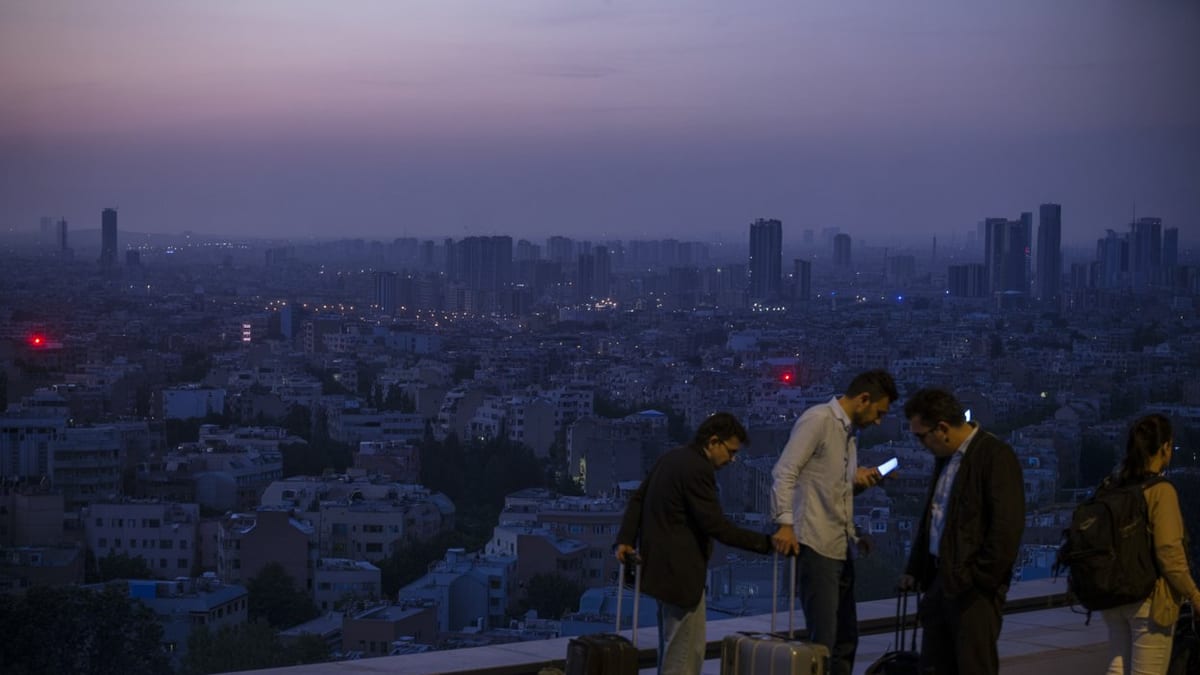
Image by Travel And Tour World
Strikes on Energy Facilities Push Conflict Into Daily Urban Life
Recent attacks on sites linked to Iran’s fuel and electricity network have pushed the conflict directly into civilian life in the capital, with outages reported across parts of Tehran and neighboring Alborz Province. Publicly available information indicates that strikes have hit oil depots and power-related infrastructure in and around the city in March, triggering visible fires, localized blackouts and disruptions to basic services.
The fighting has steadily shifted from primarily military targets to installations that underpin Iran’s energy system, including oil and gas hubs and grid assets. Analysis from regional observers notes that earlier strikes on fuel depots in Tehran and Karaj were followed by new blows to electricity infrastructure, highlighting how energy networks have become central to the war’s strategy. The resulting power instability has left businesses, transport operators and residents dependent on backup generators or forced to curtail activity altogether.
While Iranian officials have publicly downplayed the long term vulnerability of the national grid, the latest outages show that even short disruptions can have outsized effects in a densely populated metropolis. Traffic signals, metro services and payment systems are among the urban functions most immediately affected by sudden loss of power, compounding the stress on residents and visitors already dealing with air raid alerts and security checkpoints.
Energy analysts point out that this episode comes on top of a broader energy crunch that has troubled Iran in recent years, with seasonal shortages and earlier blackouts exposing structural weaknesses in power generation and distribution. The current wartime strikes are amplifying those preexisting strains at precisely the moment when demand for reliable electricity, information and transport is most acute.
Air Travel Disruptions and Flight Rerouting Escalate
The latest power cuts are aggravating an already volatile aviation environment over Iran and the wider Gulf. Many international airlines had reduced or suspended flights to Tehran once the conflict escalated in late February, as airspace warnings multiplied and insurers reassessed risk along key corridors that normally connect Europe and Asia.
Reports from flight tracking data and airline statements show that carriers have diverted traffic away from Iranian airspace, lengthening some intercontinental routes and increasing fuel costs. The intermittent blackouts in Tehran add another layer of complexity, affecting airport operations ranging from terminal lighting and baggage systems to air traffic control support infrastructure, even when primary runways remain functional.
Travel booking platforms and industry bulletins indicate a pattern of rolling schedule changes, with last minute cancellations or reroutings common on services that once flew directly over the Strait of Hormuz and central Iran. Travelers are being funneled through alternative hubs in the Gulf, the Caucasus and Central Asia, creating congestion and longer layovers at those airports even as traffic into Iran itself declines.
In practical terms, global travelers are being advised by airlines and travel risk firms to build in additional time for connections, monitor booking apps closely for schedule changes and keep flexible tickets where possible. Business itineraries that rely on tight turnarounds across Eurasia are proving particularly vulnerable to disruption as the conflict’s impact spreads from the battlefield to civilian aviation infrastructure.
Overland Routes and Pilgrimage Travel Under Strain
The situation is also affecting overland travel flows, including religious pilgrimage and regional tourism that traditionally pass through Iran or terminate in Tehran. Buses and private vehicles entering and leaving the capital are confronting variable fuel availability and unpredictable traffic conditions when blackouts knock out street lighting or toll systems.
Regional media coverage highlights concerns among tour operators that trips involving Iran’s cultural sites may be postponed or rerouted, even if those sites are far from direct fighting. Power instability complicates everything from hotel operations and food supply chains to access to electronic payments, raising operating costs and eroding traveler confidence.
Neighboring countries are feeling knock on effects as well. With parts of Iran’s gas export capacity curtailed following earlier strikes on large energy hubs, cross border electricity and fuel arrangements are under pressure. That has implications for bus companies, freight operators and pilgrims who rely on predictable, reasonably priced energy along major corridors linking Iran with Iraq, Turkey and the Gulf.
Seasonal pilgrimage flows, already sensitive to security perceptions, could see a sharper geographic shift if blackouts and reports of infrastructure damage persist. Travel agencies in the region are promoting alternative routes and destinations, which may temporarily benefit some neighboring economies while deepening Iran’s isolation from regional tourism networks.
Global Energy Jitters Feed Into Travel Costs and Planning
The targeting of energy facilities inside Iran comes amid broader fears about the safety of oil, gas and power infrastructure across the Gulf. Publicly available assessments from energy monitoring groups suggest that attacks and threats affecting major export terminals, gas fields and desalination plants have already taken a noticeable share of regional capacity offline.
Those shocks are feeding through to global energy markets, where oil and gas prices have been volatile since the war intensified. Higher fuel costs typically show up in airline ticket pricing, surcharges on cargo and increases in the operating expenses of hotels and tour companies. Travel industry analysts note that while hedging strategies can delay the impact, a sustained period of elevated prices usually filters into the retail cost of travel within weeks.
Market commentary from financial outlets describes the Iran war as one of the most serious disruptions to global energy trade in decades, in part because of the central role of the Strait of Hormuz in global shipping. Even without a complete closure of the chokepoint, the combination of damaged infrastructure and heightened risk has deterred some shippers and insurers, tightening supply and amplifying uncertainty for both businesses and individual travelers.
For travel planners, this environment makes long range budgeting more difficult. Corporate travel managers and tour operators are revising cost forecasts frequently, while individual travelers are being encouraged to pay close attention to fuel surcharges and to consider itineraries that allow for price fluctuations or sudden changes in routing.
What Travelers Should Watch in the Days Ahead
With the war still evolving, the situation remains fluid for anyone with plans touching Iran or neighboring transit hubs. Publicly available information from governments and aviation regulators continues to warn about potential further strikes on energy and infrastructure targets, including facilities whose disruption could cause new rounds of power cuts or water shortages.
Travel risk consultancies emphasize that the most significant hazards for foreign travelers are not only direct physical threats but also cascading disruptions such as sudden airport closures, telecommunications outages, or shortages of fuel and essential services in affected cities. The recent Tehran blackouts have become a case study in how quickly conditions can shift from routine to highly constrained, even without a single, nationwide grid failure.
Observers suggest that travelers monitor official travel advisories from their home countries, along with airline alerts and reputable global news outlets, for signs that attacks on energy infrastructure are intensifying or expanding geographically. Attention is particularly focused on whether further strikes will target additional power plants, substations or oil and gas facilities that are critical to urban life and transport connections.
For now, the power cuts in Tehran offer a stark illustration of how a conflict focused on energy infrastructure can send shockwaves far beyond the battlefield. From delayed flights and reshaped overland routes to rising fuel surcharges worldwide, the battle over Iran’s grid and energy assets is rapidly becoming a defining factor in how, where and whether people travel across the region and along some of the world’s busiest corridors.