

Thailand’s international airports are the gateways to its beaches, mountains and megacities, handling tens of millions of passengers each year. From vast Bangkok hubs to relaxed island terminals, each airport works a little differently. Understanding the main entry points, ground transport, facilities and current expansion works can help you choose smarter routes and move through the country with less stress and more confidence.
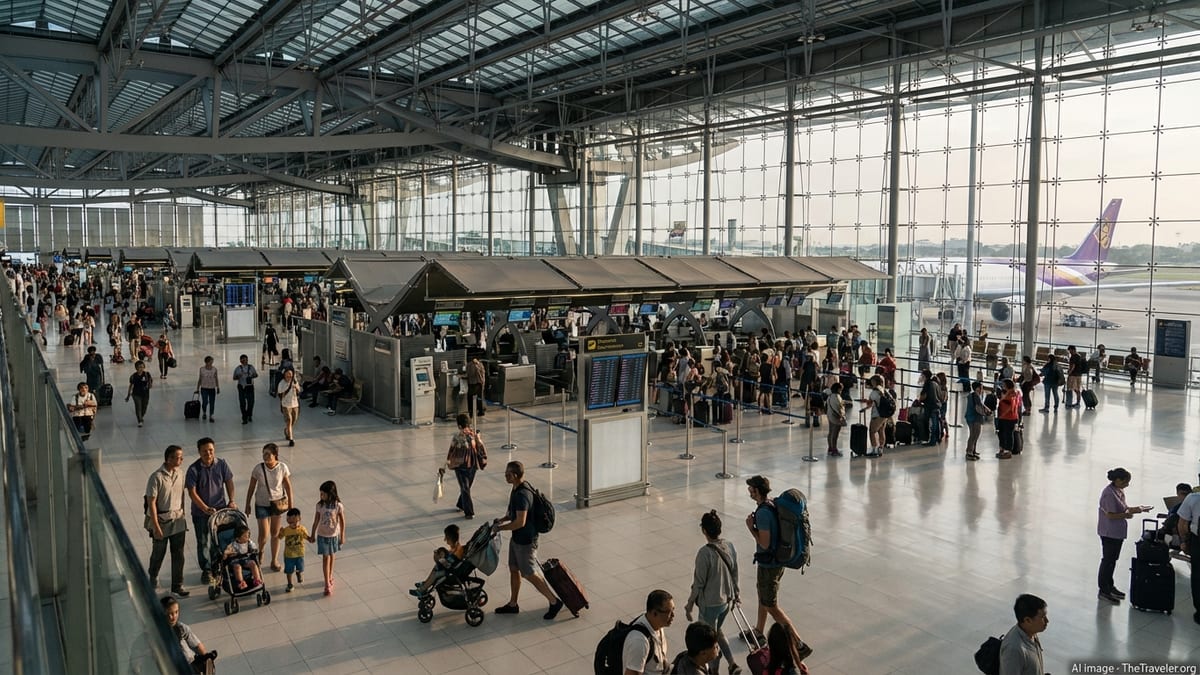
Thailand’s International Airport Network at a Glance
Thailand’s aviation system is centered on Bangkok, where Suvarnabhumi Airport and Don Mueang International Airport together handle the majority of international and domestic traffic. Suvarnabhumi functions as the country’s primary global gateway and long haul hub, while Don Mueang has evolved into a major base for low cost carriers serving regional and domestic routes. Beyond the capital, a group of busy regional airports in Phuket, Chiang Mai, Hat Yai and Krabi support tourism and business travel across the country.
According to recent civil aviation data, Suvarnabhumi remains by far the busiest airport in Thailand by passenger traffic, followed by Don Mueang in second place and Phuket International Airport in third. Chiang Mai International Airport and Hat Yai International Airport serve as important gateways to the north and deep south, and Krabi International Airport has grown quickly in recent years on the back of Andaman Sea tourism. Several of these airports are undergoing or planning expansion projects to keep pace with resurgent travel.
For travelers, this network provides multiple choices when planning itineraries. You can fly into Bangkok and connect domestically, or route directly to regional airports from hubs across Asia and, on selected routes, from Europe or the Middle East. Each airport has its own character, typical crowd levels and transport quirks. Knowing what to expect at each one will help you decide where to arrive, where to connect and how much time to allow.
Suvarnabhumi Airport: Thailand’s Primary Global Hub
Located to the east of Bangkok, Suvarnabhumi Airport serves as Thailand’s main international gateway and a key aviation hub in Southeast Asia. Opened in 2006, it handles tens of millions of passengers annually and has been steadily recovering and expanding its capacity. A new satellite concourse and a third runway entered service in the mid 2020s, increasing the number of flights the airport can handle per hour and easing some of the bottlenecks that travelers once associated with peak periods.
International travelers will find the majority of long haul services to and from Europe, the Middle East and parts of Asia at Suvarnabhumi, along with a dense network of regional and domestic routes. The terminal complex is large, with long walking distances between some gates, but clearly signed in English and Thai. Immigration and security lines fluctuate with arrival waves, so it is wise to allow generous connection times, especially during high season months such as December to March. Recent upgrades have added more automated systems and reconfigured queuing areas designed to smooth the experience.
Transport into Bangkok is relatively straightforward. The airport rail link connects Suvarnabhumi to the city’s eastern districts and links with the BTS Skytrain network, offering a reliable alternative to traffic prone highways. Metered taxis, app based ride services and official airport limousines are widely available at clearly marked stands. Travel time to central Bangkok by road varies from around 30 minutes in light traffic to well over an hour in peak periods or heavy rain, so factor this into your arrival and departure planning.
Within the terminal, travelers will find extensive facilities: currency exchange counters, ATMs, mobile operator booths for SIM cards and eSIM support, prayer rooms, nursing rooms, medical clinics and multiple information desks. Food options range from quick local snacks to international chains and sit down restaurants, though prices tend to be higher airside. Several independent lounges and airline lounges are available, including pay-in options. Ongoing renovation and expansion projects over the next decade aim to refresh older areas, add more seating and improve washrooms and rest spaces throughout the concourses.
Don Mueang International Airport: Bangkok’s Low Cost Carrier Hub
Don Mueang, in Bangkok’s north, is one of the world’s oldest operating airports and today functions as Thailand’s main low cost carrier hub. It is especially important for travelers flying with regional budget airlines that connect Bangkok to secondary cities in Thailand and across Asia. Recent statistics place Don Mueang as the country’s second busiest airport after Suvarnabhumi, with traffic rebounding strongly as low cost carriers rebuild their networks.
The airport currently uses two active passenger terminals. Terminal 1 handles international flights, while Terminal 2 serves domestic services. They are linked by an elevated walkway with views over the airfield, and walking between them is straightforward. A new Terminal 3 is planned as part of a major capacity upgrade toward the end of the decade, but construction and opening dates extend over several years, so travelers should expect the current two terminal arrangement to remain standard in the near term.
Facilities at Don Mueang are more compact and less polished than at Suvarnabhumi but still adequate for most needs. Travelers will find basic restaurants, cafes, convenience stores, currency exchange counters and mobile service booths in both terminals. Seating can be limited at busy times, especially in low cost boarding areas, and queues for check in or security may form quickly before banked departure waves. It is sensible to arrive earlier than you might at a smaller regional airport, particularly during holidays and long weekends when domestic travel peaks.
Don Mueang is connected to central Bangkok primarily by road, with expressway links to the downtown area. Travel times can vary significantly due to congestion, so allow extra time for airport transfers. Buses and shuttle services connect Don Mueang with various parts of the city, and there are taxi and ride hailing options at designated pickup zones. A rail link serving the wider northern corridor passes near the airport, and gradual improvements in public transport connectivity are expected as urban rail projects expand.
Phuket International Airport: Gateway to the Andaman Coast
Phuket International Airport is the primary air gateway to Thailand’s Andaman coastline, serving the popular resort island of Phuket and nearby islands and provinces. It consistently ranks as one of the busiest airports in the country, behind only the two Bangkok hubs. Passenger numbers have grown strongly with the global popularity of Phuket’s beaches, nightlife and luxury resorts, leading to significant expansion works and pressure on existing infrastructure, particularly during peak holiday seasons.
The airport has separate domestic and international terminals, situated close to one another near the island’s northern tip. Arrivals are typically busier in the late morning and afternoon waves when international flights land from major Asian and European hubs. At busy times, travelers may encounter lines at immigration, baggage belts and taxi queues, so patience and realistic expectations are helpful. Planned and ongoing upgrades are intended to raise the airport’s capacity over the coming years, with projects aimed at expanding terminal space and improving passenger processing areas.
Reaching the main tourist areas from Phuket Airport requires a road transfer. Patong, Karon and Kata on the island’s west coast are roughly an hour away in normal traffic, though journey times can be longer during rush hours or heavy rain. Official airport taxis, shared minivans, hotel transfers and prebooked private cars are widely available. Public buses and shuttle services provide lower cost alternatives, but schedules and routes may not be convenient for all travelers, especially those arriving late at night.
The airport’s surroundings offer an immediate taste of the tropics. The runway lies close to the sea at Mai Khao Beach, where planespotters gather to watch aircraft land and depart, subject to local safety regulations. Inside the terminals, services include money changers, tourist information counters, car rental desks, souvenir shops and a range of Thai and international eateries. Because of the airport’s busy nature and limited space, seating and quiet corners can be in short supply, so consider using a lounge or nearby hotel if you have a longer layover.
Chiang Mai, Hat Yai and Krabi: Key Regional Gateways
Several regional airports in Thailand handle regular international flights in addition to busy domestic schedules, providing alternatives to transiting through Bangkok. Chiang Mai International Airport in the north is the main entry point for the historic city of Chiang Mai and surrounding mountain provinces. Hat Yai International Airport serves the deep south and is particularly important for cross border travel with neighboring Malaysia. Krabi International Airport has grown into a major hub for travelers headed to Railay, Ao Nang and the wider Krabi coastline.
Chiang Mai International Airport sits close to the city center, making it one of the most convenient airports in the country from a ground transport perspective. A short taxi or ride share trip typically brings travelers directly to hotels in the Old City or Nimmanhaemin district. The airport handles flights from Bangkok and other Thai cities, along with seasonal and year round international routes from parts of East and Southeast Asia. Facilities are modest but functional, with a compact terminal layout that keeps walking distances short.
Hat Yai International Airport lies outside the city of Hat Yai and is a key domestic and regional link for southern Thailand. Passenger numbers there have been increasing once again, and longstanding plans exist to expand capacity significantly through to around the end of the decade. The airport connects to central Hat Yai by road, with taxis, minibuses and local transport services available. Travelers heading onward to the islands of the lower Andaman Sea or to the border areas often use Hat Yai as a staging point, so transfer times and local traffic conditions should be considered when arranging connections.
Krabi International Airport, east of Krabi Town, has seen rapid tourism driven growth, with passenger volumes climbing past two million per year in the mid 2020s. Authorities have been expanding the terminal to cope with higher demand, and longer term plans include relieving pressure on the region’s airports through the development of a new international airport in nearby Phang Nga province. From Krabi Airport, travelers usually continue by road to Ao Nang and other beach areas, or to piers for onward boat travel to islands such as Koh Phi Phi or Koh Lanta.
Arrivals, Visas and Immigration Tips
Most international travelers will encounter Thailand’s immigration and customs procedures for the first time at Suvarnabhumi, Don Mueang or Phuket, though some regional airports also process direct international flights. Entry rules depend on nationality, visa type and the purpose and length of stay, and they have evolved over the past few years in line with broader tourism policies. Because regulations can change, it is important to verify current requirements with official sources shortly before travel and carry any supporting documents such as onward tickets, accommodation details and proof of funds if required.
On arrival, passengers typically complete or confirm arrival information, then proceed to immigration counters where passports, visas and, where relevant, entry waivers are checked. Lines can move slowly during banked arrivals, especially at major hubs, so allowing extra time before onward domestic connections is prudent. When booking itineraries that involve a change of airport in Bangkok, travelers should leave several hours between flights to account for both immigration and ground transfer times.
After passport control, baggage claim areas are generally well signed in English and Thai. Free luggage trolleys are commonly available, though they may be in high demand during peak times. Customs procedures are typically straightforward, with separate green and red channels depending on whether you have goods to declare. Restrictions on items such as e-cigarettes and certain medications remain in place, so travelers should check rules and pack accordingly to avoid delays or confiscations on arrival.
Families, elderly passengers and travelers with reduced mobility can usually access priority or dedicated services at larger airports. Suvarnabhumi in particular has been enhancing its provision for travelers with disabilities, adding more accessible facilities and staff support. If you require assistance, it is advisable to arrange special services with your airline before travel and reconfirm at check in so that support is coordinated on the ground.
Ground Transport, Transfers and Domestic Connections
Thailand’s main airports are connected to city centers and popular tourist areas by a mix of rail services, buses, taxis, private transfers and, in some locations, minibuses and songthaews. In Bangkok, Suvarnabhumi benefits from a dedicated airport rail link that joins the broader urban rail network, offering an efficient route into the city that bypasses traffic congestion. Don Mueang is currently more reliant on road access, though it has nearby rail and mass transit links that are gradually being integrated into the wider transport system.
Taxi services are widely available at all major airports, with official queues and dispatch systems designed to manage demand and ensure regulated fares. While scams are less common at official ranks than they once were, it remains wise to verify that the meter is used or agree on a fare in advance where fixed price systems apply. App based ride hailing is also present in many Thai cities, although pickup points and rules may vary by airport and can be subject to change as regulations evolve.
For travelers connecting between international and domestic flights, Thailand’s hubs offer numerous options. Many airlines sell through itineraries that combine a long haul arrival into Suvarnabhumi with a domestic leg to cities such as Chiang Mai, Phuket or Krabi. When connections are on a single ticket, baggage is often checked through, and minimum connection times take account of immigration and security screening. If you book separate tickets, build in generous buffers, particularly when changing airports in Bangkok or catching the last domestic flight of the day to an island gateway.
Some regional airports are a considerable distance from final destinations, so factoring in onward transfer times is essential. From Phuket and Krabi airports, for example, many travelers still face an hour or more by road, plus possible boat transfers to offshore islands. Late night arrivals can limit public transport options, making prebooked transfers or hotel pickup services a sensible choice. During monsoon seasons, heavy rain can slow road travel, so leaving extra time for journeys is a prudent precaution.
Facilities, Services and Practical Airport Tips
Thailand’s main international airports offer a similar core set of passenger services, though quality and variety differ between the large hubs and smaller regional terminals. At Suvarnabhumi and, to a lesser extent, Don Mueang and Phuket, travelers will find extensive duty free and retail zones, currency exchange counters, banking services, post offices, pharmacies, spas, prayer rooms, and shower facilities in selected lounges. Free Wi Fi is widely available, although connection speeds can vary with usage and location within the terminals.
Mobile connectivity is a high priority for many visitors, and Thai mobile operators usually maintain prominent booths in the arrivals halls of larger airports. These counters sell prepaid SIM cards and eSIM packages tailored to tourists, typically including data bundles and optional call or text allowances. Keep your passport handy, as registration is often required. ATMs are broadly available but can carry per withdrawal fees on foreign cards, so consider taking out larger amounts less frequently while staying attentive to security at machines.
Food and beverage options range from quick service stalls selling Thai staples such as noodles and rice dishes to international chains offering coffee, sandwiches and fast food. Prices inside airports are generally higher than in city streets or local markets, particularly in secure airside areas. If you have dietary restrictions, you may want to plan ahead and carry suitable snacks, as choice can be more limited at smaller regional airports or in late night time windows when many outlets close.
To make airport time more comfortable, especially on long layovers, consider using pay in lounges or day rooms at nearby hotels. Suvarnabhumi and Don Mueang both have airside and landside lounges bookable regardless of airline or cabin class, while several hotels adjacent to the terminals offer short stay rates. Quiet zones, reclining seats and children’s play areas are gradually becoming more common as airport operators respond to demand for more humane waiting spaces, but they remain unevenly distributed and can fill quickly during busy travel periods.
The Takeaway
Thailand’s international airports collectively form a dynamic, evolving network that underpins the country’s role as one of the world’s leading tourism destinations. From the sprawling terminals of Suvarnabhumi to the compact gateways of Chiang Mai, Krabi and Hat Yai, each airport offers a distinct experience shaped by local geography, traffic patterns and ongoing expansion projects. For travelers, understanding these differences can significantly improve trip planning, from choosing arrival airports to timing domestic connections and arranging ground transport.
While infrastructure upgrades and capacity expansions are ongoing at several major airports, crowding and queues can still appear at peak times. Building in extra time, staying flexible and approaching arrivals and departures with realistic expectations will go a long way toward keeping stress levels low. Simple preparations such as prearranging transfers, checking visa rules before departure and carrying key information in both digital and paper form can further smooth the journey.
Above all, Thailand’s airports are designed to usher visitors toward the country’s beaches, mountains, cities and cultural sites as efficiently as possible. With a bit of foresight and an understanding of how the main international gateways operate, you can step off the plane ready to enjoy the experiences that lie beyond the terminal doors, whether that is wandering Bangkok’s neighborhoods, trekking in the northern hills or relaxing on an Andaman shore.
FAQ
Q1. Which airport should I fly into for my first trip to Thailand?
For a first visit, most travelers choose Suvarnabhumi Airport in Bangkok because it has the widest range of international connections and onward domestic flights, making it easier to build flexible itineraries across the country.
Q2. What is the difference between Suvarnabhumi and Don Mueang airports in Bangkok?
Suvarnabhumi is the main international hub used by many full service airlines and long haul routes, while Don Mueang primarily serves low cost carriers and regional or domestic flights, often at lower fares but with more basic facilities.
Q3. How much connection time do I need when changing planes in Bangkok?
For connections within the same airport on a single ticket, two to three hours is usually comfortable, while changing between Suvarnabhumi and Don Mueang typically requires at least five to six hours to account for immigration, baggage and road transfers.
Q4. Can I fly directly to Phuket, Chiang Mai or Krabi from abroad?
Yes, many airlines operate direct international services to Phuket, and there are also routes to Chiang Mai and Krabi from selected Asian and seasonal markets, although options and frequencies are generally more limited than to Bangkok.
Q5. What is the easiest way to get from Suvarnabhumi Airport into central Bangkok?
The airport rail link combined with the city’s Skytrain and underground lines offers a fast, traffic free option, while official airport taxis and prebooked private cars provide door to door convenience at higher cost and subject to road conditions.
Q6. Are Thai airports easy to navigate for English speaking travelers?
Yes, major airports such as Suvarnabhumi, Don Mueang, Phuket and Chiang Mai use clear bilingual signage in Thai and English, and many staff members have at least basic English, although patience and simple language can still be helpful.
Q7. Is there free Wi Fi at Thailand’s international airports?
Most large airports offer complimentary Wi Fi, usually with a time limit or basic speed tier; connection quality varies, so downloading essential documents and maps before travel is a good backup strategy.
Q8. Where can I buy a local SIM card on arrival in Thailand?
Dedicated mobile operator booths and kiosks are located in the arrivals halls of major airports, selling prepaid tourist SIM and eSIM packages that can be activated on the spot with your passport.
Q9. How early should I arrive at the airport for my departing flight?
For international flights, arriving about three hours before departure is a sensible rule of thumb, while two hours is usually adequate for domestic flights, with more time advisable during holidays or at very busy airports.
Q10. Are there lounges I can pay to use even if I fly economy?
Yes, many airports in Thailand host independent and airline affiliated lounges that sell access regardless of airline or class of service, either at the door or through lounge membership and day pass programs.