


More news on this day
As balcony cabins dominate cruise marketing, a lesser-known Royal Caribbean category that trades outdoor space for significantly more room inside is drawing fresh attention from travelers looking to stretch both their legs and their budgets.
Get the latest news straight to your inbox!
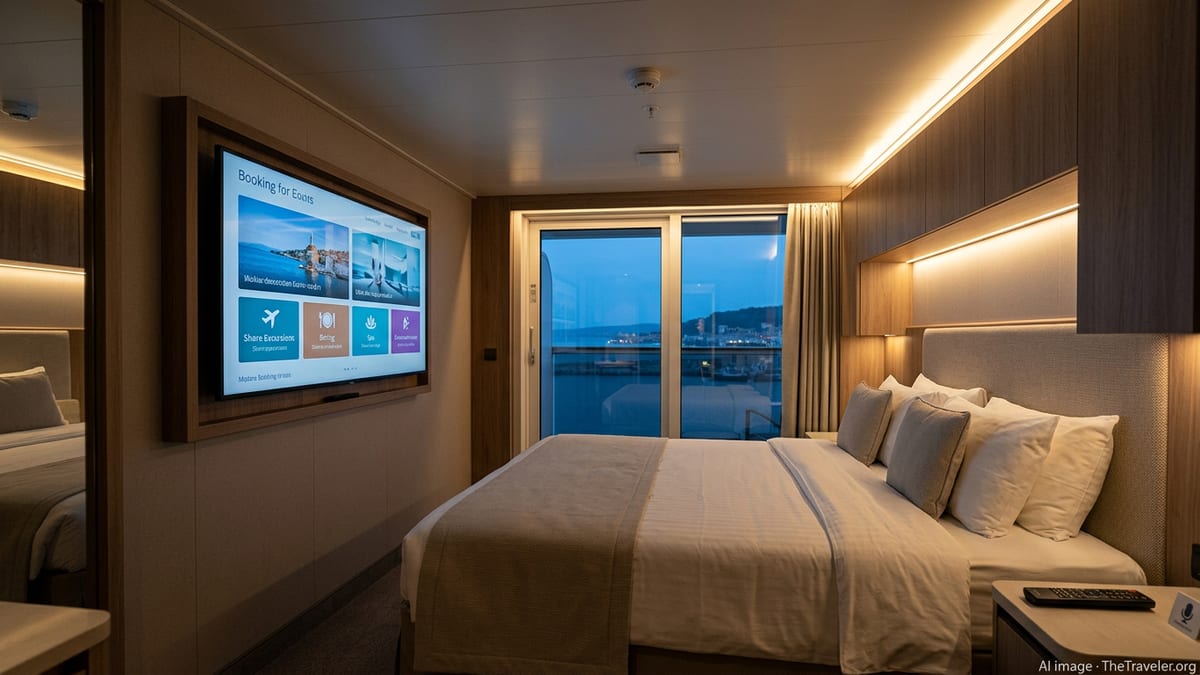
A quiet alternative to the classic balcony
Within Royal Caribbean’s sprawling mix of staterooms, spacious and panoramic oceanview cabins sit in a niche that many casual cruisers overlook. These rooms forgo a private balcony in favor of additional interior square footage, larger seating areas and oversized windows or wraparound glass offering wide-angle ocean views.
Industry cabin guides describe these categories as a midpoint between standard oceanview rooms and balcony cabins, often priced closer to traditional outside cabins while delivering more living space than many entry-level balconies. On some ships, ultra spacious or family-focused layouts in this tier can exceed 280 to 300 square feet, compared with roughly 180 square feet for a typical balcony stateroom.
Because cruise websites and brochures tend to highlight balconies and suites as the aspirational choices, these larger oceanview options are frequently buried in deck plans and booking engines. As a result, they are often discovered by repeat cruisers and travelers who study cabin charts carefully, rather than first-timers following headline deals.
More square footage, flexible layouts and real-world comfort
Spacious and panoramic oceanview cabins are designed to feel more like a conventional hotel room, with room to move around even when beds, sofas and pull-down berths are in use. Published descriptions of these cabins point to broader floor plans, extended seating nooks and, in some cases, separate sleeping alcoves suited to families or groups.
Travel planning resources note that certain ultra spacious oceanview and panoramic oceanview categories on Royal Caribbean can sleep five or six guests, using a mix of twin beds that convert to a king, sofa beds and bunk-style pullman berths. The extra width and length of the room, rather than a balcony, absorbs this capacity, allowing families to share a single cabin rather than booking adjoining rooms.
For couples or small groups, the additional interior space can be just as valuable as outdoor access. More floor area simplifies storing luggage, using strollers or mobility devices and setting up a quiet corner for reading or remote work. Cruise comparison guides often emphasize that, in practice, many guests spend limited time sitting on their balcony, especially on port-intensive itineraries, making an airy, uncluttered cabin a more meaningful upgrade.
Panoramic windows and virtual views reshape expectations
On several Royal Caribbean classes, panoramic oceanview cabins replace the slider-and-railing design of a balcony with floor-to-ceiling glass that wraps across most of one wall. Published specifications describe windows reaching roughly two meters high and spanning several meters across, creating an almost lounge-like observation area inside the room.
This design allows guests to enjoy uninterrupted sea and port views without stepping outside, an advantage in colder regions such as Alaska or during windy sea days when balconies may be less comfortable. Travel guides point out that these cabins provide abundant natural light and a sense of openness that competes directly with balcony experiences, particularly for travelers who value scenery over fresh air.
Royal Caribbean has also invested in virtual balconies across many interior cabins, using large high-definition screens to project a live ocean view. While these do not add physical space, they have shifted expectations about what “view” cabins can offer and highlighted how visual openness can matter as much as outdoor access. In this context, real panoramic oceanview cabins, with both extra room and genuine glass, increasingly stand out as a hybrid option.
Pricing quirks create value for families and savvy planners
Cabin pricing on large cruise ships is highly dynamic, and publicly available fare comparisons indicate that spacious and panoramic oceanview categories can sit in an unusual sweet spot. On some sailings, they are only modestly more expensive than standard oceanview rooms, while remaining below or similar to the cost of smaller balcony cabins.
For families, this can make a large oceanview cabin a cost-effective alternative to booking two connecting rooms or stepping up to a suite. Travel blogs and discussion forums frequently highlight examples where ultra spacious or panoramic oceanview cabins undercut family suites by a significant margin while offering comparable square footage and sleeping capacity.
However, these cabins are limited in number and scattered across specific decks and ship classes. Because of their size and favorable pricing, they are often reserved early by experienced cruisers who know the cabin codes and locations to request. Newcomers who focus solely on the balcony-or-interior choice may never see these options unless they dig into the full deck plan or work through more detailed search filters.
Who benefits most from trading the balcony away
The decision to give up a balcony in favor of more interior space depends largely on travel style and itinerary. Families with young children, multigenerational groups and travelers who value elbow room typically stand to gain the most from the larger footprint of spacious and panoramic oceanview cabins.
On routes with cooler temperatures, frequent sea days or scenic cruising where passengers may prefer viewing from public decks, having a balcony can be less critical. In these cases, the combination of wider windows and generous interior space can feel like a better use of the fare, especially when guests prioritize comfortable sleep arrangements and the ability to spread out.
Conversely, travelers who prize private outdoor time, fresh air and a traditional veranda experience may still prefer a standard balcony stateroom, even if it means accepting a tighter layout inside. For them, the overlooked spacious oceanview categories remain a niche alternative rather than a replacement.
As Royal Caribbean continues to diversify its cabin mix on newer ships, the quiet rise of these larger non-balcony rooms illustrates how cruise lines are experimenting with space, views and price points. For travelers willing to look beyond the familiar balcony label, they may represent one of the more compelling values at sea.