

Niagara Falls is one of those bucket list places that people dream about for years, then finally book without a clear idea of what the trip will really cost. Between the American and Canadian sides, multiple attractions, seasonal price swings and a maze of parking and transport options, it is easy to either overspend or underestimate your budget. This guide walks through the true cost of visiting Niagara Falls today, using current prices and realistic ranges so you can plan with confidence.
Choosing Between the U.S. and Canadian Sides
One of the first cost decisions at Niagara Falls is whether to base yourself on the U.S. side in Niagara Falls, New York, or across the river in Niagara Falls, Ontario. Both give access to the same natural wonder, but they feel different and can affect your spending. The American side centers on Niagara Falls State Park, which is compact, walkable and largely focused on viewpoints and a few key attractions. The Canadian side has the classic postcard panoramas, a long riverfront promenade, high-rise hotels and a dense strip of entertainment and restaurants around Clifton Hill and Fallsview.
In broad terms, the U.S. side can be slightly cheaper for accommodations, especially at the budget and midrange level, and parking at the state park is relatively straightforward with posted daily rates. The Canadian side, on the other hand, often offers more choice in midrange and upscale hotels, sometimes with competitive package deals but higher daily parking charges. Currency exchange adds another layer: when the U.S. dollar is strong, American visitors may find many Canadian prices effectively discounted, even though posted rates for parking and attractions in Niagara Falls, Ontario appear higher in local currency.
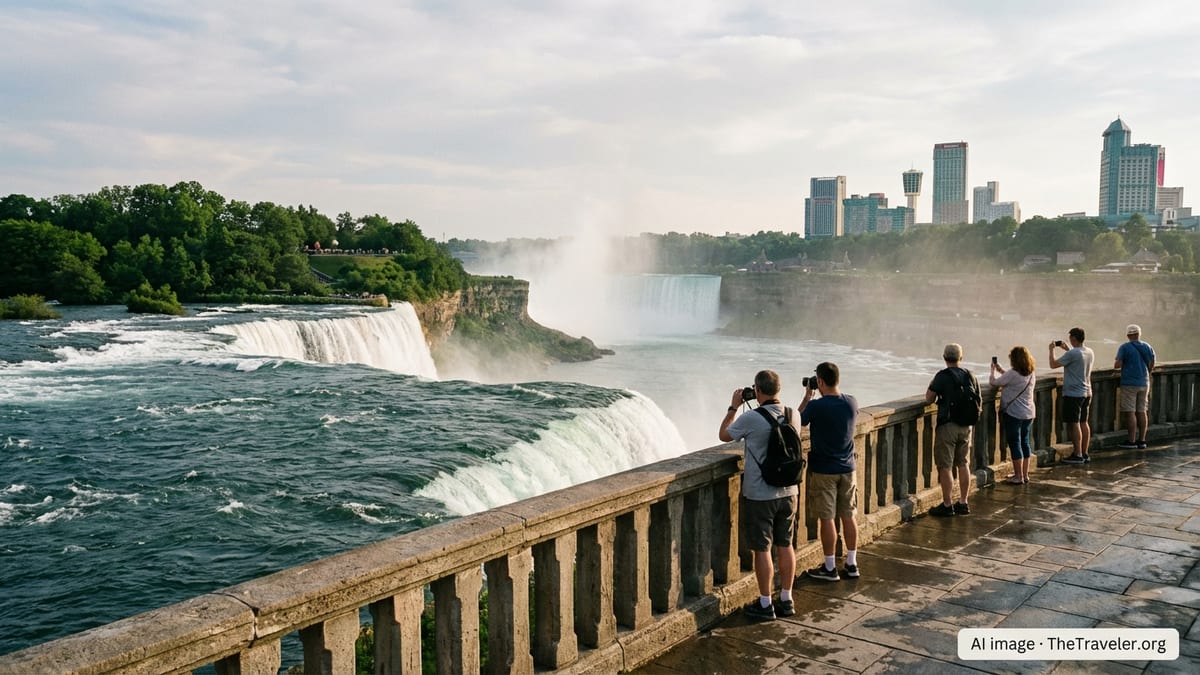
Access to the Falls views themselves is free on both sides. You do not pay an entry fee for Niagara Falls State Park or for walking the Niagara Parkway on the Canadian side. Costs start to climb once you add in parking, attractions like boat tours and observation decks, and what you spend on food and entertainment. If you have a car, note that crossing the border means possible bridge tolls and wait times, so many visitors choose to pick a base on one side and then walk across the Rainbow Bridge on foot for a day, paying a modest pedestrian toll rather than paying to park twice.
Whichever side you choose, remember that accommodation and attraction prices can spike during peak summer months, long weekends and major holidays. A realistic approach is to decide what kind of experience you want: quieter and more park oriented, which leans toward the American side, or more resort style with bright lights, arcades and casinos, which tends to raise your overall daily spend on the Canadian side.
Accommodation: Where Nightly Costs Really Land
Hotel prices around Niagara Falls can fluctuate dramatically with season, day of the week and proximity to the water. On both sides of the border, midweek shoulder season stays in late spring or early fall typically cost less, while weekends in July and August, plus holiday periods, command the highest rates. Budget hotels and motels several blocks back from the riverfront sometimes advertise low base rates, but those savings can be offset by added parking fees, resort-style charges or limited inclusions.
On the U.S. side, basic chain hotels and motels in Niagara Falls, New York often start in the lower to mid range per night outside of peak dates, rising toward midrange and above during busy summer weekends. Properties within easy walking distance of Niagara Falls State Park tend to sit at the higher end of that range, especially if they have modern rooms or partial views. On the Canadian side, the Fallsview district is where you find many of the big-name towers with view rooms. These can climb into a high nightly rate for the best views in peak season, although interior or city view rooms in the same buildings can be much cheaper.
Vacation rentals and small inns can provide value for families or longer stays, particularly if you can cook some meals. However, cleaning fees and taxes add up, and central locations near the Falls are often priced comparably to midrange hotels. In both countries, taxes on hotel bills are meaningful and can add a noticeable percentage to your final cost, so it is wise to look at the total after-tax price when comparing options.
One easily overlooked accommodation cost is parking. Many Canadian hotels in the Fallsview and Clifton Hill areas charge significant daily parking fees, sometimes approaching what you might pay to park directly with Niagara Parks. On the U.S. side, some hotels include parking, while others charge a nightly fee. When you are comparing room rates, make sure to factor in those parking charges, plus any resort or facility fees that may be listed in fine print.
Getting There and Getting Around Without Overspending
Reaching Niagara Falls is usually the single biggest upfront cost after accommodation, whether you are flying, driving or arriving by train or bus. Travelers from farther afield often fly into Buffalo Niagara International Airport on the U.S. side or Toronto Pearson International Airport on the Canadian side. From Buffalo, the drive to Niagara Falls, New York is relatively short. From Toronto Pearson, driving to Niagara Falls, Ontario takes longer, and highway traffic can be heavy on summer weekends, which matters if you are paying for a rental car by the day.
Once in the area, how you move around will change your daily budget. On the U.S. side, Niagara Falls State Park is compact enough that you can easily walk between major viewpoints if you park once and stay within the park. The local bus network in the Niagara region uses a simple flat fare structure, with single rides at a modest price and caps on daily and monthly spending that can help frequent riders control costs. These buses are useful if you plan to stay in nearby cities and make day trips to the Falls without a car.
On the Canadian side, the WEGO bus system links hotels, the Falls, Niagara Parks attractions and popular districts along several color coded routes. Current published fares for adults are in the mid teens in Canadian dollars for a 24 hour pass and around a few dollars more for a 48 hour pass, with lower prices for children. These passes include unlimited rides for the validity period, which can work out cheaper than paying for multiple separate bus trips or moving your car and paying for parking in different lots.
If you are driving, toll highways near Toronto, bridge tolls across the border and fuel costs all add to your overall spend. Ride share services and taxis provide flexibility but may cost more than public transit, especially in busy periods or late at night. Walking remains the cheapest and often most enjoyable way to experience both waterfronts, as long as you are comfortable with moderate distances and occasional hills, particularly on the Canadian side where the main hotel area sits above the river.
Parking: The Quiet Cost That Adds Up Fast
Parking is one of the most underestimated expenses at Niagara Falls, especially for drivers who visit for multiple days or move their car several times a day. On the U.S. side, Niagara Falls State Park operates several lots with clearly posted daily rates. Central lots near Prospect Point and Goat Island typically charge a flat fee per day, usually around ten dollars on quieter dates and rising on peak summer weekends, with some variation by lot and vehicle type. One of the outlying lots offers certain days or seasons with no fee or reduced rates, which can be a money saver if you do not mind a slightly longer walk or shuttle connection.
Across the river in Niagara Falls, Ontario, parking costs are higher on average and more fragmented, split between Niagara Parks lots, private operators and hotel garages. Near the brink of the Canadian Horseshoe Falls, Niagara Parks operates large surface lots behind major attractions, with published all day parking ranging roughly from the low twenties to around forty Canadian dollars, depending on season and location. Some secondary lots further from the brink, or more peripheral options like Rapidsview, can be cheaper, particularly outside peak summer dates, but they may be open seasonally.
Private lots in the Clifton Hill area often advertise all day parking at flat rates that can run into the high twenties or low thirties in Canadian dollars during busy times. Hourly rates at garages near the Rainbow Bridge and certain attraction clusters can look manageable at first glance, but they can quickly surpass a full day rate if you stay longer than planned. Importantly, most lots do not allow in and out privileges on a single payment, so each time you move your car you are effectively starting over with a new parking bill.
Frequent visitors sometimes offset these costs with an annual parking pass sold by Niagara Parks, which covers parking in several official lots for a fixed fee per year. These passes change annually and are sold in limited windows, so they usually make sense only for local residents or travelers planning repeated trips. For most visitors, the best strategy is to park once in a convenient lot and then use your feet or public transport for the rest of the day, treating parking as a fixed daily cost rather than a recurring surprise.
What Major Attractions Actually Cost
At first glance, it can seem as if every viewpoint at Niagara Falls comes with a ticket. In reality, the most basic experience of simply walking along the river and staring at the water is free, but almost every close up encounter is an add on. On the American side, popular paid experiences include the Maid of the Mist boat tour and the Cave of the Winds walkways. Ticket prices for these attractions are substantial enough that a family of four will see the total easily climb to a meaningful share of the overall trip budget, especially in peak season.
On the Canadian side, the main boat operator for close up cruises to the base of the Falls is Niagara City Cruises, with pricing broadly comparable to the American boat tours when converted at current exchange rates. Additional Canadian attractions include the tunnel and platform experience at the historic power station, journey style walkways behind the Falls, tower observation decks and enclosed viewpoints inside some hotels and casinos. Each of these carries its own admission charge that can range from modest to fairly high per person.
Both sides also bundle attractions into passes and package deals that promise savings if you plan to visit multiple sights in a short period. These can be useful, but it is important to compare carefully which attractions you truly want to experience. Some passes include a long list of smaller or more peripheral activities that you might feel obligated to visit simply because you have already paid. If you only care about one or two highlights, paying individually can occasionally cost less than buying a large bundle.
Seasonality plays a role in attraction costs as well. Some outdoor or boat based activities shut down or operate on reduced schedules outside the main visitor season, which can limit your options but may also mean reduced off peak prices for those that do run. Nighttime experiences, fireworks schedules and illumination events are subject to change and may not require separate tickets if you are already in the right viewing area. Checking official operator sites for current pricing just before your trip remains the safest way to avoid surprises.
Food, Drink and Entertainment Spending
Dining at Niagara Falls can range from quick, inexpensive bites to high end meals with views of the water, and the prices shift accordingly. On both sides of the border, major tourist corridors such as Clifton Hill, Fallsview Boulevard and streets immediately around Niagara Falls State Park are dominated by chains, casual sit down restaurants and themed venues aimed at visitors. Menu prices in these areas tend to be higher than you would find just a short drive or bus ride away in the surrounding cities, where locals eat.
In practical terms, a basic takeaway meal or fast food combo will likely cost only slightly more than in other North American cities, while sit down dinners in prime locations can quickly rise once you factor in drinks, tax and tip. Restaurants with direct views of the Falls or skyline are often priced at a premium, which can be worthwhile for one special meal but expensive to repeat every night. Buffets, where still available, can be cost effective for families with hungry teenagers, though quality and value vary.
Many travelers control food costs by mixing one or two restaurant meals per day with supermarket snacks, picnic style lunches or simple breakfasts in the room. Canadian and American grocery prices near the Falls reflect regional norms, so you will not find rock bottom bargains, but shopping for basics like fruit, sandwiches and drinks will almost always be cheaper than ordering every item in a tourist restaurant. If your hotel room includes a microwave or mini fridge, this strategy becomes much easier.
Entertainment beyond the Falls themselves can quietly add up. On the Canadian side, arcades, mini golf courses, wax museums, haunted houses and rides on Clifton Hill all charge per game or entry, which can quickly snowball for families. The casino district offers gambling and nightlife for adults, introducing obvious risks for overspending. On the American side, there are smaller clusters of attractions and some modest nightlife, but less of a dense, resort style entertainment zone. Deciding in advance how much you want to spend on non waterfall fun and setting a daily limit can keep your overall budget from drifting upward without you noticing.
Seasonal Price Swings and How to Time Your Trip
When you choose to visit Niagara Falls has a direct impact on what you will pay for nearly everything. High summer, especially from late June through August, sees the highest hotel prices, the fullest parking lots and the most crowded attractions. Weekends and long holiday periods are especially expensive, as demand surges and promotional discounts dry up. In this peak window, you are paying not only in money but also in time spent in lines and traffic.
Shoulder seasons, typically late April to early June and September into early October, can offer a better balance between cost, weather and available experiences. Many attractions operate on full or near full schedules at these times, yet hotel rates often soften compared with mid summer weekends. Parking can still be busy on sunny Saturdays, but midweek visits usually feel less pressured. Autumn foliage along the gorge adds a visual bonus without requiring additional spending.
Winter transforms Niagara Falls into a very different destination. Hotel rates are often significantly lower, and some parking lots charge reduced daily fees compared with peak periods. At the same time, certain boat tours and outdoor attractions close for the season or run on limited schedules, which can constrain your options for activities. Festivals of lights and seasonal events may come with their own costs or encourage more spending on warm indoor attractions, hot drinks and meals.
Whenever you go, flexibility with dates can be one of your most powerful money saving tools. Shifting a weekend stay to midweek, arriving a day earlier or later than a major holiday or watching for short notice promotions can shave a meaningful amount off your total bill. If you are driving, planning your arrival and departure to avoid the heaviest traffic also reduces fuel use and parking stress, even if it does not change listed prices.
Hidden and Overlooked Costs First Time Visitors Miss
Beyond the obvious expenses of hotels, transport, parking and attraction tickets, several smaller costs tend to catch first time Niagara Falls visitors by surprise. One of these is currency conversion. If you are crossing between the United States and Canada, using a credit card that charges foreign transaction fees can quietly add a percentage to every purchase on the opposite side of the border. Using cash exchange kiosks or dynamic currency conversion features at payment terminals can also carry unfavorable rates compared with withdrawing local currency from a bank machine or using a fee free card.
Service charges and taxes are another area where visitors underestimate what they will ultimately pay. Sales taxes differ between U.S. states and Canadian provinces, and in many cases the tax is added at the register, so the price you see on the menu or shelf is not the price that appears on the bill. Some tourist area restaurants and bars may add automatic gratuities, particularly for larger groups, which can lead to double tipping if you do not read the check carefully.
Photography and souvenirs also nibble away at budgets. Professional photo packages at attractions, printed images from boat tours and themed photo booths on Clifton Hill all cost extra, often at rates that feel disproportionate to the experience. Gift shops near the Falls stock everything from inexpensive magnets to high end local products, and it is easy to spend more than intended when every outing seems to end in a retail space. Setting a firm souvenir budget ahead of time can help, especially when traveling with children.
Finally, there are comfort related costs that many do not factor into their travel math: buying rain ponchos or extra layers after underestimating the mist and wind, paying for lockers or bag storage at certain attractions, and upgrading to closer parking simply to shorten a cold or hot walk. None of these is ruinous on its own, but together they can push a carefully planned budget beyond its limits. Being realistic about weather, packing accordingly and reading attraction policies in advance can reduce the need for these last minute purchases.
The Takeaway
Visiting Niagara Falls does not have to be wildly expensive, but it is rarely as cheap as optimistic first timers hope. The core experience of watching enormous volumes of water thunder over the cliffs is free, yet everything that supports that moment, from beds and meals to parking and boat tickets, carries a price that can escalate quickly without a plan.
The true cost of a Niagara Falls trip is shaped by a handful of key choices: which side of the border you stay on, whether you visit in peak or shoulder seasons, how many major attractions you prioritize, and how comfortable you are trading convenience for savings on items like parking and food. By thinking through these factors in advance and using current price ranges as a guide rather than guessing, you can build an itinerary that fits your budget without constant anxiety.
In the end, the value of a visit to Niagara Falls comes from more than the sum of receipts. With eyes open to real world costs and a willingness to skip a few upsells, you can stand at the railings, feel the spray on your face, ride a boat into the mist if you choose and walk away with memories that feel worth what you spent.
FAQ
Q1. Is Niagara Falls cheaper to visit from the U.S. side or the Canadian side?
The American side can be slightly cheaper for basic hotels and parking, while the Canadian side often offers more attractions and views but at generally higher daily costs.
Q2. How much should I budget per day for a Niagara Falls trip?
A realistic midrange budget for most visitors often lands in the low to mid hundreds of dollars per day for two people, including lodging, food, parking and one paid attraction.
Q3. Do I have to pay to see Niagara Falls itself?
No. Access to main viewpoints in Niagara Falls State Park and along the Niagara Parkway in Canada is free. You only pay for parking and optional attractions.
Q4. Are parking costs really that high near Niagara Falls?
They can be. Central Canadian lots commonly charge from around twenty to forty Canadian dollars per day, while key U.S. state park lots are generally a bit lower but still significant.
Q5. Are attraction passes at Niagara Falls worth the money?
They can be if you plan to visit several included attractions in a short time. If you only care about one or two highlights, individual tickets may cost less overall.
Q6. When is the cheapest time of year to visit Niagara Falls?
Winter is usually the cheapest for hotels and sometimes parking, but some attractions close or scale back. Shoulder seasons often balance lower prices with better weather.
Q7. Can I visit Niagara Falls without a car and still keep costs down?
Yes. You can arrive by bus or train, stay within walking distance and use local transit such as WEGO on the Canadian side to reach more distant attractions.
Q8. How much does food typically cost near Niagara Falls?
Expect to pay slightly more than average in the main tourist zones. Casual restaurant meals can add up quickly, but mixing in supermarket food helps keep daily costs manageable.
Q9. Are there many hidden fees I should watch for?
Yes. Look for hotel parking charges, resort fees, foreign transaction fees on cards, automatic gratuities at restaurants and small extras like lockers and souvenir photos.
Q10. Is it worth paying extra for a hotel room with a view of the Falls?
For some travelers it is a memorable splurge, especially for a special occasion night. If you are on a tight budget, you can still enjoy the same views from public viewpoints for free.