


More news on this day
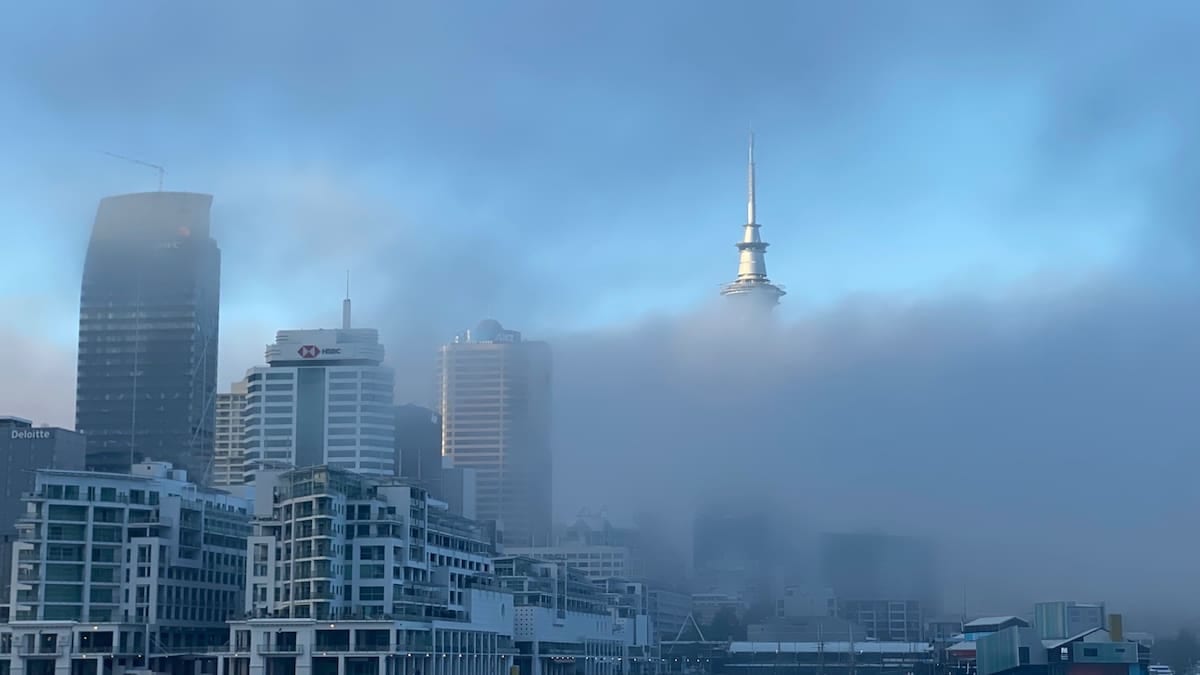
Thick fog and a broad yellow weather warning are affecting Monday morning journeys across large parts of the UK, with reduced visibility and slower traffic reported on key commuter routes.
Get the latest news straight to your inbox!
Yellow warning covers major commuter belt
The UK Met Office has issued a yellow warning for fog in force from 6 p.m. on Sunday 8 November until 11 a.m. on Monday 9 November, covering much of southern and eastern England, the Midlands, parts of Wales and sections of Northern Ireland. Publicly available forecasts state that visibility could fall to around 50 metres or less in the densest patches, creating hazardous conditions for drivers and public transport users.
According to published coverage from national outlets, the warning zone stretches broadly from around York in northern England down to Bath in the southwest, taking in major population centres across the South East and eastern England. Additional overnight fog advisories have been highlighted for counties across Northern Ireland, where visibility below 100 metres has also been flagged for the early commute.
Met Office guidance on the yellow category indicates a high likelihood and moderate impact, signalling that disruption is considered possible but not guaranteed in all locations. The service notes that fog is expected to form extensively overnight before slowly lifting through the late morning, with some stubborn patches lingering into the afternoon in rural and low-lying areas.
Background information on the UK severe weather warning system shows that yellow is the lowest of three impact colours, but it is still used when forecasters see a realistic chance of travel delays, particularly where dense fog coincides with peak-hour traffic.
Road commuters face slow and difficult conditions
Early reports from motorway corridors within the warning area point to markedly slower traffic flows as drivers reduce speed in thick fog. National news coverage has highlighted recent multi-vehicle incidents in poor visibility, including a major collision on the M20 in Kent over the weekend, as an example of how quickly conditions can deteriorate when fog thickens over high-speed routes.
Travel bulletins on Monday morning emphasise that journey times on busy commuter arteries into London, Birmingham and other regional centres are likely to be extended where visibility drops sharply. Drivers are being reminded via motoring and weather advisories that rear and front fog lights should be used when visibility falls below 100 metres and dipped headlights are preferred over full beam, which can reflect off the fog and further reduce what can be seen ahead.
Publicly available road safety guidance also stresses the importance of maintaining larger gaps between vehicles, avoiding sudden braking and using road markings to help judge position when the verge and horizon are obscured. With many school runs and work commutes coinciding with the period of worst visibility, local authorities and travel services are encouraging travellers to allow extra time and to check live traffic feeds before setting off.
Forecasters note that the present fog has developed under a stagnant area of high pressure combined with light winds and long autumn nights. These ingredients have allowed air near the surface to cool rapidly and moisture to condense, creating what some meteorologists have described in media reports as a perfect recipe for prolonged fog through the early part of the week.
Rail networks and bus services experience delays
While rail services are generally less sensitive to fog than to snow or high winds, operators within the warning area are advising that low visibility can still lead to speed restrictions and knock-on delays. According to information carried by national travel reporters, some early morning trains are running behind schedule where drivers have reduced speed as a precaution or where signalling operations have been adjusted in reduced visibility.
Urban and intercity bus networks have also flagged the possibility of slower journeys. Fog can obscure traffic lights, crossing points and roadside stops, particularly in rural stretches between towns, leading to minor timetable slippage. Passenger information systems on several major operators indicate that real-time tracking may be affected in areas of very low visibility, although core routes are continuing to run.
Network operators are using their usual winter communications channels, including social media feeds and station announcements, to highlight the risk of disruption during the morning peak. Travellers are being encouraged through these channels to check departure boards before leaving home and to consider earlier services if they have critical connections.
Available rail and bus planning tools continue to show most services operating, but with warnings that conditions may change quickly where fog thickens or persists for longer than initially forecast along key corridors.
Air passengers warned of potential knock-on disruption
Airports across the affected region are preparing for possible schedule changes as the fog lingers into mid-morning. Publicly available departure boards for several major UK airports indicate that the majority of flights are operating, but some early-morning services have been delayed where landing and take-off minima require longer spacing between aircraft in low visibility.
National media reports and airline advisories note that, under dense fog, airports may rely on enhanced instrument landing systems and low-visibility procedures that can reduce runway capacity. Even modest reductions can create queues that ripple through the timetable for several hours, especially at busy hubs handling a high volume of morning departures to business destinations across Europe.
Travel experts quoted in open sources recommend that passengers flying on Monday morning monitor their airline apps or airport information pages for the latest status, as yellow-level warnings specifically mention a chance of delayed or cancelled flights. For connecting journeys, longer layovers and flexible tickets are highlighted as ways to reduce the risk of missed onward travel where fog-related disruption cascades across the network.
Industry guidance also reminds passengers that, when adverse weather is the underlying cause of delays, rebooking options are often available, but standard cash compensation rules may not apply. Travellers are therefore advised to check carrier policies and travel insurance terms if their itineraries are significantly altered by poor visibility.
What travellers can expect through the rest of Monday
Forecast charts show the fog gradually thinning from late morning as daytime temperatures rise and light winds begin to mix the lowest layers of the atmosphere. However, areas shaded under the current yellow warning may see the lowest visibility persist through much of the commuting window, particularly in river valleys, hollows and open countryside.
Met Office outlooks suggest that once today’s fog clears, some locations will see brighter spells, though residual low cloud and haze may linger. Travel-focused forecasts indicate that road and rail conditions should steadily improve into the afternoon, while air travel operations may need additional time to recover from any early backlog.
Looking ahead to the next couple of nights, national weather coverage reports that similar light-wind, clear-sky conditions could allow further patches of fog to form, especially where ground remains damp. Although no additional warnings beyond the current period had been issued at the time of publication, the Met Office advises that its warning matrix can change quickly if impacts look set to increase.
For now, the combination of dense fog, extended overnight cooling and a busy Monday morning commute has placed much of central and southern Britain on alert for slower journeys. Travellers planning to drive, catch a train or fly in or near the warning zone are being urged by widely shared public information to stay informed, build in extra time and be ready to adjust their plans if visibility falls again.