


More news on this day
Severe summer thunderstorms over North Texas triggered ground stops at Dallas Fort Worth International Airport and Dallas Love Field on Wednesday, leading to hundreds of delays and widespread disruption for travelers across the country.
Get the latest news straight to your inbox!
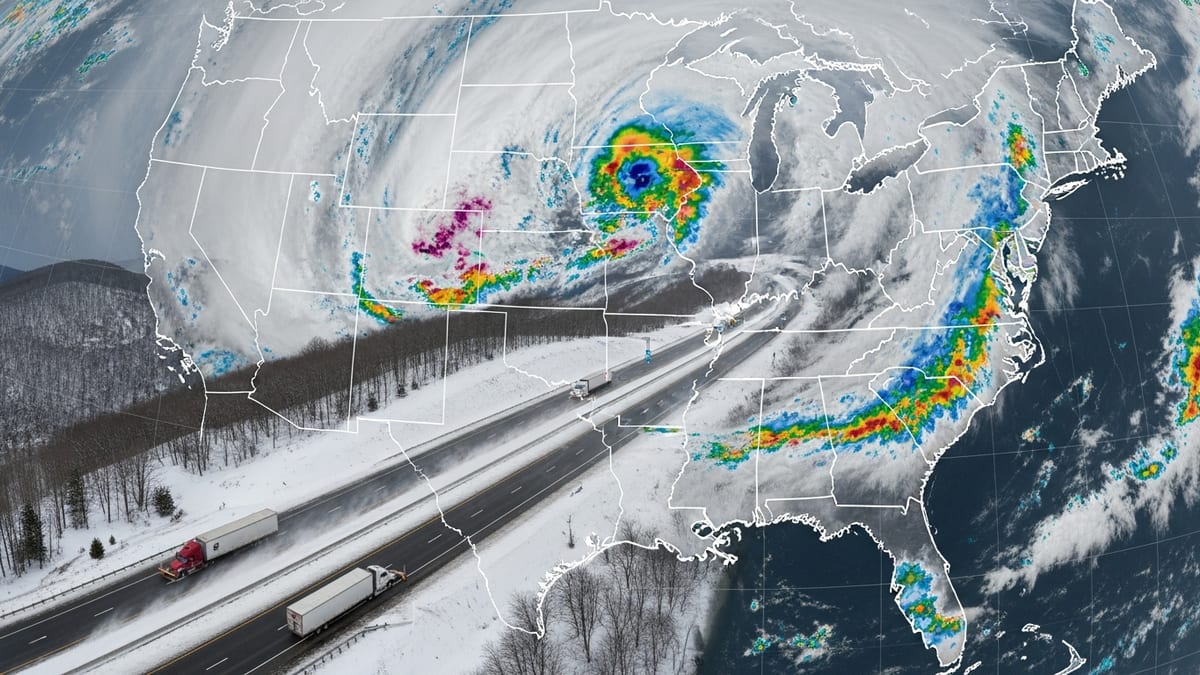
Ground Stops Implemented as Storms Move Across Metroplex
Flight operations at the two major Dallas airports were heavily constrained after lines of thunderstorms pushed across the region on the afternoon and evening of July 15. Publicly available information from the Federal Aviation Administration shows that a formal ground stop was put in place at Dallas Fort Worth International Airport, temporarily halting many inbound flights that had not yet departed their origin cities.
According to published coverage drawing on flight-tracking data, the combination of thunderstorms and multiple ground stops produced more than 900 delays across Dallas Fort Worth International and Dallas Love Field by early evening. Data cited in that reporting indicated roughly 660 delays at DFW and about 140 at Love Field during the peak of the disruption, with average departure delays at Love Field stretching to around half an hour.
National Weather Service products for the Dallas area described clusters of storms moving north from Central Texas, bringing heavy rain and gusty winds but generally remaining below severe thresholds. Even without widespread hail or damaging winds, the reduced visibility, shifting wind patterns and lightning risk were sufficient to constrain arrivals and departures at the busy North Texas hubs.
The FAA’s real-time airport status pages on Thursday indicated that conditions had improved, with no continuing ground stops reported at either airport. However, residual delays were still possible as airlines repositioned aircraft and crews following the previous day’s weather.
Scale of Disruption for Airlines and Passengers
Flight-tracking services showed that, at the height of Wednesday’s storms, delays dramatically outnumbered outright cancellations at both airports. Earlier in the afternoon there was reportedly only one cancellation across DFW and Love Field, underscoring how airlines initially attempted to wait out the storms rather than scrub large numbers of flights. As the weather lingered and schedules tightened, the total number of disrupted flights climbed steadily.
When a ground stop is issued, flights destined for the affected airport are typically held at their origin until conditions improve or until a subsequent ground delay program is implemented. This can lead to aircraft and crews being out of position for later flights, which in turn can ripple across airline networks far from the original storm area. Passengers on connections through DFW in particular, one of the country’s largest hubs, frequently encounter missed onward flights when thunderstorm clusters settle over North Texas.
Recent FAA advisories and operational summaries also point to a pattern of repeated weather-related constraints at Dallas area airports this spring and summer. In May, advisories documented a ground stop and subsequent ground delay program at DFW tied to thunderstorms, with separate information noting significant cancellations and delays at both DFW and Love Field on that date. Advisories from March and May likewise referenced arrival delays into the Dallas terminal area due to convective weather and airspace constraints.
These repeated disruptions have fed into a broader seasonal trend, with summer afternoon storms often forming or intensifying near peak travel periods. The result is that even relatively short-lived thunderstorm cells can have an outsized impact on both local and national aviation schedules.
Weather Pattern Behind the Latest Delays
The National Weather Service office serving Dallas Fort Worth reported that storms developed south of the metro area before drifting northward, tapping into humid, unstable air over North Texas. Aviation forecasts and airport weather warnings issued this week highlighted the potential for convective development near key terminals, including Dallas Fort Worth International Airport.
Although the storms did not produce the most extreme forms of severe weather, such as widespread large hail or tornadoes, they still generated periods of heavy rain and lightning in the vicinity of runways and approach paths. Lightning in particular can force temporary suspensions of ramp activities, limiting the ability of ground crews to load baggage, fuel aircraft or marshal planes into and out of gates.
Historical advisories for the Dallas area show that similar storm setups have prompted ground stops and arrival delays multiple times in recent months. A series of FAA command center notices from March, May and June described thunderstorms as the primary “impacting condition” for traffic-management initiatives affecting the Dallas terminal area, including ground delay programs and reduced arrival rates designed to match traffic volume to constrained airport capacity.
For airlines operating large hub schedules through DFW, even modest reductions in arrival and departure rates can quickly lead to congestion. When coupled with a sudden onset of convective weather, this can leave aircraft in holding patterns, diverting to alternate airports or waiting for departure slots to open, all of which contribute to extended travel times for passengers.
Travelers Urged to Monitor Flights and Build in Extra Time
In the wake of Wednesday’s disruptions, travel industry observers are emphasizing the importance of monitoring flight status closely when storms are present in the Dallas region. Airline websites and mobile applications typically update departure and arrival times in near real time, reflecting evolving air traffic control restrictions such as ground stops or ground delay programs.
Publicly available advisories from the FAA’s Air Traffic Control System Command Center, combined with radar imagery and forecasts from the National Weather Service, can offer additional context about why flights are being held or rerouted. For travelers, this information may be useful when deciding whether to adjust connections, rebook itineraries or seek alternative routing that avoids the most heavily impacted hubs.
Recent experiences in North Texas suggest that even travelers not starting or ending their journey in Dallas can be affected by storms there, especially if they are connecting through DFW on large domestic or international itineraries. When thunderstorms are in the forecast, some travelers may choose earlier departures or longer connection times to provide a buffer against cascading delays.
With the peak of the summer travel season coinciding with a climatological maximum in thunderstorm activity, aviation analysts expect continued vulnerability to weather-related disruptions at major hubs such as DFW. The latest round of thunderstorms and associated ground stops at DFW and Dallas Love Field underscores how quickly typical afternoon storms can transform into systemwide challenges for airlines and passengers alike.