

More news on this day
Tourists descending on Tokyo are increasingly exploring the city without a suitcase in sight, as a surge of new luggage-free and hands-free travel services reshapes how visitors move through one of the world’s busiest capitals.
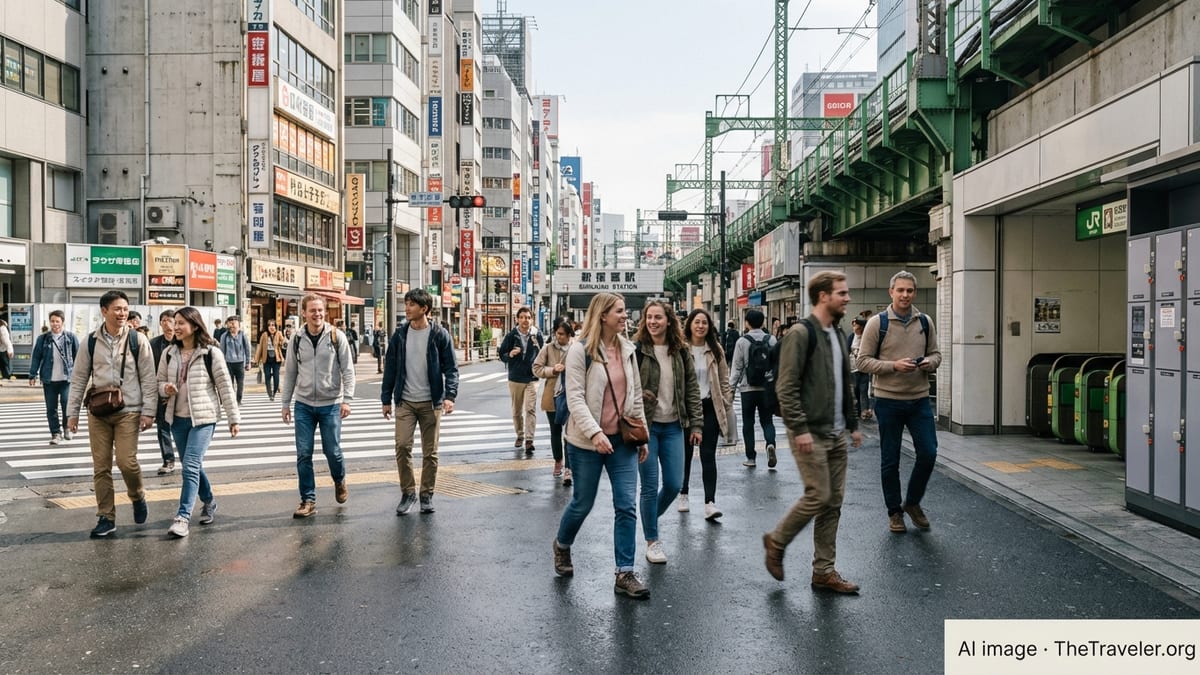
A Citywide Push to Take the Weight Off Travelers
Tokyo’s latest tourist offering is not a single app or kiosk, but an emerging ecosystem of services that collectively promise a luggage-free experience. From airports and train stations to major attractions and hotels, new storage, porter and same-day delivery options are making it easier for visitors to drop their bags and start sightseeing immediately.
The initiatives align with a broader Hands-Free Travel concept championed by national and local authorities to reduce congestion on public transport and in crowded tourist areas. Even as overseas arrivals hit record levels, officials are betting that shifting baggage off trains and sidewalks can soften the impact of mass tourism on residents while giving visitors a smoother arrival.
For travelers, the change is most visible at key gateways to the capital, where dedicated counters and smart lockers now offer to whisk suitcases directly to hotels across the metropolitan area. For the city, it is part crowd-control strategy, part quality-of-experience upgrade.
From Airport Carousel to Hotel Room, Without Lifting a Bag
At Haneda Airport, a same-day luggage delivery trial has turned Terminal 3 into a testing ground for bag-free arrivals. Visitors can leave their suitcases at a special counter in the arrivals hall and have them transported to registered accommodations in Tokyo the same day, allowing them to board city-bound trains without bulky cases and head straight to their first stop.
Similar thinking is driving new services between airports and hotels. Apartment-hotel brand MIMARU has introduced a KURO-GO same-day baggage delivery link between its Tokyo properties and both Haneda and Narita airports, targeting families and groups who struggle with strollers, multiple bags and long transfers. The service is designed so that guests can hand off their luggage on arrival and pick it up later in their room, effectively separating the stress of transport from the pleasure of exploring.
Airlines and railway operators see upside too. By shifting large bags into dedicated logistics networks rather than peak-hour commuter trains and airport express lines, they aim to curb crowding, shorten boarding times and reduce friction between residents and visitors.
Smart Lockers and Station Networks Turn Trains Into Bag-Free Zones
Beyond the airport, railway and real estate companies are testing station-based solutions that let tourists trade suitcases for freedom of movement within minutes of arriving in the city. Along the Seibu Railway lines, a trial service known as “pikuraku PORTER in Tokyo” allows travelers to place luggage in smart lockers at selected stations, then have it delivered the same day to partner hotels around the capital.
Travelers using the service can drop their bags at stations such as Ikebukuro or Shinjuku before 2 p.m. and receive them at more than 500 participating hotels later that evening. Multilingual touch screens guide users through the process, and the lockers are designed to handle the larger suitcases international visitors often carry.
Tokyo’s subway network is also entering the space. At Oshiage Station, directly connected to Tokyo Skytree, a Metlocker-style offering combines conventional coin-locker convenience with hotel delivery. Tourists heading up the tower, where large suitcases are not permitted and standard lockers can quickly sell out, can store their baggage at the station and arrange for it to be forwarded to their accommodation, freeing them to linger at the observation decks and neighboring shopping complexes.
Private Porters and Tech Firms Race to Capture the Hands-Free Market
Tech companies and private operators are moving quickly to meet demand from record inbound tourism. Telecommunications group KDDI has begun installing dedicated Bounce luggage lockers at flagship stores in busy districts such as Shinjuku, Ikebukuro and Ueno, integrating the global storage platform into everyday city itineraries. Visitors can secure insured storage via smartphone, drop bags in minutes and continue exploring nearby neighborhoods unencumbered.
Meanwhile, specialized firms like PORTER JAPAN are positioning themselves as full-service travel companions rather than simple delivery providers. Offering professional porters who meet guests at airports, train stations or hotel lobbies, they organize door-to-door luggage transfers, escort travelers through complex transport hubs and coordinate onward delivery, effectively turning heavy suitcases into an invisible backdrop to the trip.
Traditional baggage services are also adapting, extending coverage to more hotels and guesthouses and experimenting with dynamic pricing and advance online reservations. Collectively, these operators are transforming luggage management from a side concern into a core part of the tourism offer, with Tokyo as a showcase city.
Beyond Bags: Sustainability, Overtourism and What Comes Next
The hands-free travel trend is also intersecting with sustainability and overtourism debates. By encouraging visitors to store or ship luggage rather than hauling it through crowded corridors and residential streets, city planners hope to reduce friction in popular districts and improve safety on busy platforms and stairways.
At the same time, new services are prompting travelers to rethink what they bring at all. Clothing-sharing and rental initiatives tied to selected Tokyo hotels are giving guests the option to pack fewer outfits and pick up locally sourced wardrobes on arrival. For families, this can mean traveling with one suitcase instead of several, while the use of shared garments supports circular fashion goals.
Looking ahead, operators are signaling plans to knit these separate offerings into a more seamless web, where a single booking could cover airport drop-off, station storage, hotel delivery and even wardrobe rental. For now, visitors still navigate a patchwork of providers and platforms, but the direction of travel is clear. In Tokyo, the classic image of tourists jostling through rush-hour crowds with rolling suitcases is steadily being replaced by something lighter, quieter and decidedly more hands-free.