

Austria may be compact on the map, but it packs in a remarkable variety of experiences. Baroque palaces, crystalline lakes, medieval old towns, and high alpine panoramas all sit within a few hours of each other, making the country ideal for slow itineraries and quick getaways alike. Whether you are drawn by classical music, mountain adventure, or peaceful riverside villages, these top attractions reveal what makes Austria so enduringly appealing.
Schönbrunn Palace and Imperial Vienna
Vienna’s imperial heritage is on full display at Schönbrunn Palace, the former summer residence of the Habsburg dynasty. The grand yellow facade, long galleries, and richly decorated state rooms offer a glimpse into courtly life at one of Europe’s most influential royal courts. Even without touring the interior, walking through the courtyards and pausing in front of the palace terrace gives a strong sense of its scale and historical importance.
Just beyond the palace, the formal gardens are an attraction in their own right. Broad avenues lined with clipped hedges, sculpted fountains, and flower beds stretch out toward the Gloriette, a hilltop colonnade that rewards the short climb with broad views of Vienna’s skyline. The gardens are free to enter and are especially atmospheric in the early morning or around sunset, when the light softens and locals come to jog, stroll, or walk their dogs.
Schönbrunn sits within a city that itself feels like a living museum of architecture and music. Within central Vienna, the Gothic spire of St. Stephen’s Cathedral, the Ringstrasse boulevard, and the neo‑Renaissance State Opera House form a dense cluster of landmarks. Taking time to wander between coffeehouses, concert halls, and museums such as the Kunsthistorisches Museum adds context to what you see at the palace, connecting Austria’s imperial era to its artistic legacy.
For many visitors, a performance of classical music in Vienna is as essential as a palace tour. Concerts are held in historic venues across the city, ranging from intimate salons to grand halls. Booking in advance is wise during peak seasons, but it is also possible to find same‑day tickets, especially outside major holidays. Combined with an evening walk past illuminated facades, it makes for an evocative way to close a day spent exploring imperial Vienna.
Salzburg’s Old Town and Fortress Hohensalzburg
Set at the northern edge of the Alps, Salzburg combines an elegant Baroque old town with dramatic mountain backdrops. The historic center, with its pastel townhouses, wrought‑iron guild signs, and narrow lanes, is compact enough to cross on foot in minutes, yet it reveals layer upon layer of history when explored slowly. Cathedral squares, arcaded courtyards, and small passageways known as “Durchhäuser” encourage aimless wandering.
High above the city, Fortress Hohensalzburg dominates the skyline and offers some of the best views in Austria. A funicular or a steep but rewarding walk leads up to its walls, where ramparts and courtyards open toward the surrounding mountains. Inside, exhibitions trace the fortress’s role in regional power struggles and its transformation from a defensive stronghold to a symbol of Salzburg. Spending time on the terraces at different times of day highlights how the light shifts across the rooftops and the Salzach River below.
Salzburg is also deeply associated with music. It is the birthplace of Wolfgang Amadeus Mozart and home to the renowned Salzburg Festival, which fills the city with opera and classical performances each summer. Even outside festival season, it is easy to weave music into a visit, from orchestral concerts in historic halls to intimate church recitals. Tickets for major events can sell out months ahead, but smaller performances are often more accessible and no less memorable.
Beyond its cultural focus, Salzburg serves as a practical base for nearby natural attractions, including lakes in the Salzkammergut region and gentle alpine trails. Day trips from the city can lead to clear lakeside promenades in summer or snow‑covered landscapes in winter, all within an hour or two by public transport or car. Returning in the evening to the glow of the old town streets and the silhouette of the fortress reinforces the sense that Salzburg bridges urban charm and alpine nature.
Hallstatt and the Salzkammergut Lake District
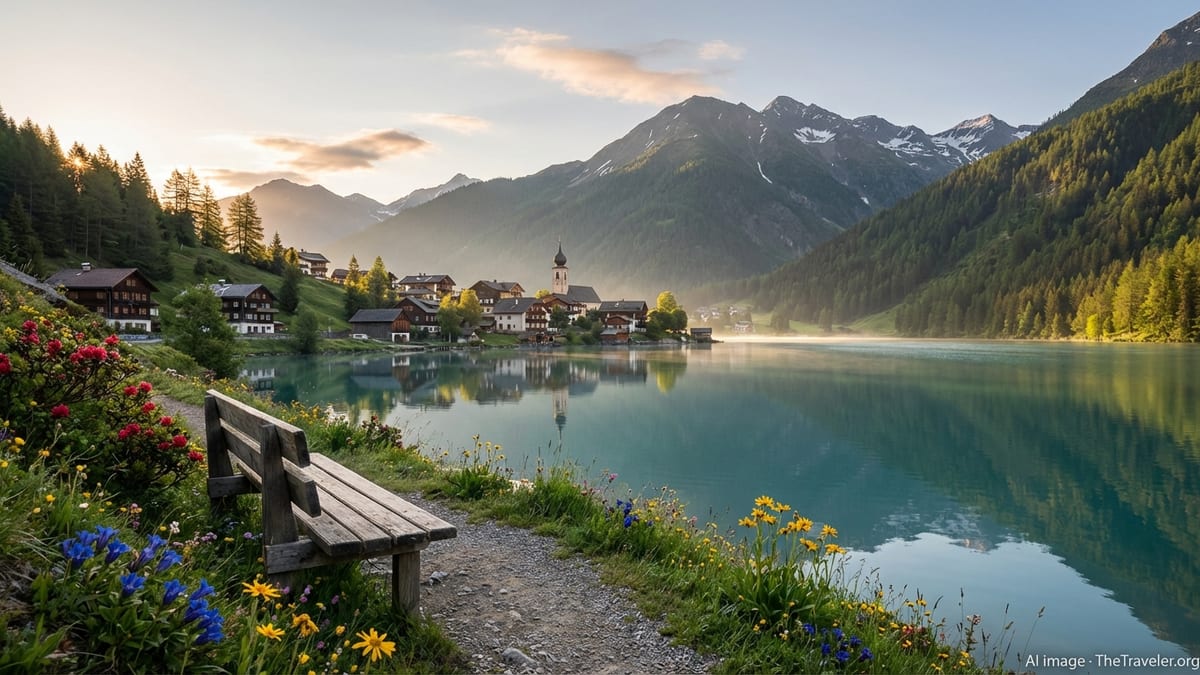
Few places capture the imagination quite like Hallstatt, the lakeside village backed by steep cliffs in the Salzkammergut region. Its cluster of timber houses, church spires, and boathouses mirrored in the calm water has become an emblem of Austria’s scenic beauty. Although the village now receives considerable visitor numbers, especially in high season, it retains an authentic core shaped by centuries of salt mining and alpine life.
The Hallstatt Skywalk viewpoint, reachable by funicular or hiking trail, offers a sweeping perspective over the lake and surrounding mountains. From above, the village appears even more precariously perched between rock and water. Interpretation panels and small exhibits tell the story of Hallstatt’s prehistoric salt mines, which contributed significantly to the area’s long‑term prosperity and cultural influence. Allowing time for both the panoramic outlook and a quiet walk through the village lanes helps balance the more photographed sights with more personal impressions.
Beyond Hallstatt itself, the wider Salzkammergut lake district rewards deeper exploration. Lakes such as Wolfgangsee, Traunsee, and Attersee each have distinct atmospheres, from lively resort promenades to tranquil wooded shores. Swimming areas, boat rentals, and shoreline trails make it easy to enjoy the water in summer, while autumn brings vivid foliage reflected on the lake surfaces. In winter, low light, snow‑dusted peaks, and occasional mist create a different but equally atmospheric setting.
Public transport connections between Salzburg, Hallstatt, and nearby lakes are generally reliable, but schedules can be more limited in the off‑season. Checking timetables in advance and allowing generous transfer times reduces stress, especially if you are catching boats that link train stations and villages. For those driving, parking in and around Hallstatt is controlled and can fill quickly, so early starts and flexibility are helpful. Regardless of how you arrive, the first glimpse of the village across the water is likely to feel unforgettable.
Innsbruck and the Heart of the Alps
Innsbruck, capital of Tyrol, sits directly at the meeting point of urban life and high mountains. Colorful facades in the Old Town, crowned by the famous Golden Roof balcony, sit framed by steep alpine slopes on either side of the Inn River. This proximity gives the city a distinct character: cable cars and funiculars rise to panoramic vantage points within minutes of the medieval streets, inviting visitors to move easily between city strolls and summit views.
The Nordkette cable car sequence is one of the most striking excursions in Austria. Starting from a station near the historic center, you can ride first a funicular and then ropeways up to Seegrube and Hafelekar. Each stage reveals a broader view, from the rooftops and river bends of Innsbruck to the rugged peaks of the Karwendel range. On clear days, the contrast between the busy valley floor and the near‑silence of the alpine environment is particularly striking.
Innsbruck’s heritage runs deeper than its scenery. The city has served as a Habsburg residence and a hub of alpine trade, something still visible in its arcaded streets, richly painted facades, and landmarks such as the Imperial Palace and Court Church. Museums and guided walks help explain how the city’s strategic position shaped its fortunes through periods of prosperity and conflict. Many of the main sights sit close together, so it is easy to link cultural visits with café stops and riverside walks.
Beyond winter sports, which remain a major draw in nearby resorts, Innsbruck has embraced year‑round outdoor experiences. Well‑marked trails lead from the city outskirts into forests and alpine meadows, while bike paths follow the river and connect to regional routes. Local tourism offices provide up‑to‑date information on trail conditions, seasonal mountain operations, and safety advice. Planning with weather and altitude in mind ensures that even short outings into the surrounding hills remain enjoyable and safe.
The Wachau Valley along the Danube
West of Vienna, the Wachau Valley follows a particularly scenic 30‑plus kilometer stretch of the Danube between Melk and Krems. Vineyards climb steep terraces above the river, punctuated by monasteries, castle ruins, and villages that have grown organically over centuries. This combination of natural beauty and cultural continuity has earned the Wachau designation as a UNESCO World Heritage cultural landscape, and it is widely regarded as one of Europe’s most attractive river valleys.
Melk Abbey, a vast Benedictine monastery perched above the river at the western entrance to the Wachau, is often the first major landmark visitors encounter. Its Baroque church, grand library, and landscaped terraces testify to the region’s religious and intellectual significance. At the opposite end of the valley, Göttweig Abbey stands on a hilltop with broad views over vineyards and the Danube, bookending the landscape in impressive fashion. Between them lie villages such as Dürnstein, where pastel houses and a riverside promenade lead up toward a ruined castle associated with the imprisonment of Richard the Lionheart.
Exploring the Wachau is as much about pace as it is about specific sights. River cruise boats, regional trains, and well‑marked cycling paths make it easy to link towns without a car. Many visitors choose to rent bicycles for one‑way rides between villages, pausing for tastings at wine taverns or for walks through vineyard lanes. The area is particularly appealing in spring, when apricot blossoms soften the slopes, and in autumn, when grape harvests and golden foliage create a warm, nostalgic mood.
Because the Wachau balances tourism, agriculture, and everyday village life, it benefits from a considerate approach. Booking accommodation and popular abbey visits in advance during peak periods, respecting vineyard trails, and allowing time to linger over meals all contribute to a more relaxed experience. Even a single day here can be rewarding, but an overnight stay in one of the smaller towns or in Krems allows you to experience quieter mornings and evenings along the river.
Zell am See, Kaprun, and Kitzsteinhorn Glacier
In the Salzburger Land region, the twin destinations of Zell am See and Kaprun showcase both lakeside relaxation and year‑round access to high alpine landscapes. Zell am See curls around the shore of a clear mountain lake, with promenades, lidos, and boat trips offering gentle ways to enjoy the water. Behind the town, the Schmittenhöhe area provides hiking trails and ski pistes with sweeping views over the lake basin.
Nearby Kaprun serves as the gateway to the Kitzsteinhorn Glacier, where cable cars shuttle visitors to viewing platforms at over 3,000 meters above sea level. At the Gipfelwelt 3000 complex, you can step out into a high‑alpine environment even in the warmer months, look out over the Hohe Tauern National Park, and learn more about the surrounding peaks through exhibitions and ranger‑led tours. The thin air, snow patches, and jagged horizons stand in dramatic contrast to the green valleys below.
In summer, the Kitzsteinhorn area offers unusual experiences such as the ICE ARENA, where visitors can play in snow, slide on groomed slopes, and relax on a “snow beach” during the hottest months. In winter, the glacier is one of the first ski areas in the region to open and among the last to close, attracting skiers and snowboarders looking for reliable conditions. Whether you visit for the snow or simply for the views, dressing for rapid changes in temperature and weather is essential at these altitudes.
Back down in Zell am See and Kaprun, the atmosphere is decidedly more relaxed. Lakeside paths, family‑friendly bike routes, and easy valley hikes make the region accessible to a wide range of travelers. Local tourism offices publish seasonal event calendars that often include lakeside festivals, sports events, and markets, allowing you to align your visit with activities that match your interests. Balancing time on the water, in the villages, and at elevation gives a fuller picture of what makes this corner of Austria so appealing.
Graz and the Styrian Countryside
Often overshadowed by Vienna and Salzburg, Graz offers a different angle on Austrian city life. As the capital of Styria and a long‑time university center, it combines a youthful energy with a well‑preserved historic core. Red‑tiled roofs, narrow alleys, and Renaissance courtyards coexist with bold contemporary architecture, creating a layered urban landscape that rewards both casual exploration and more structured visits.
The Schlossberg hill, topped by the iconic clock tower, provides an immediate orientation point and an easy escape from the streets below. You can reach the summit via a funicular, lift, or a series of steps cut into the hillside. From the top, the city’s roofscape unfolds in all directions, revealing church spires, modern bridges, and the meandering Mur River. Cafes and shaded terraces make it a pleasant place to linger, especially in the late afternoon when the city glows in warm light.
Back at street level, Graz’s museums and galleries highlight everything from regional history to modern art and design. The city’s role as a UNESCO City of Design is evident in public installations, creative reuse of industrial spaces, and a calendar of cultural events that extends through the year. Food is another strong point. Markets and restaurants showcase Styrian specialties, including pumpkin seed oil, local wines, and produce from the surrounding countryside.
Venturing beyond the city, the Styrian hills and wine roads provide a gentler, less dramatic landscape than the high Alps but one that is equally rewarding. Rolling vineyards, orchards, and small farms line quiet roads where guesthouses and wine taverns welcome visitors. Distances are short, but public transport can be limited in some rural areas, so renting a car or joining organized excursions can make it easier to experience these landscapes. Combining Graz with day trips into the countryside offers a satisfying balance between urban culture and rural calm.
The Takeaway
Austria’s appeal lies in how easily contrasting experiences fit into a single journey. In a matter of days, you can move from the ceremonial halls of Schönbrunn Palace to a lakeside bench in Hallstatt, from the bustling alleys of Salzburg’s old town to the quiet of a Wachau vineyard at dusk. Each of the attractions highlighted here shows a different facet of the country: imperial and rural, musical and mountainous, polished and quietly everyday.
Planning an itinerary that touches both cities and landscapes is the surest way to appreciate this variety. Consider how the rhythm of your days might shift between museum visits and hikes, or between river cruises and cafe stops. Paying attention to seasons, local events, and travel times between regions will help you build a trip that feels relaxed rather than rushed.
Above all, allow room for unscripted moments. A detour down a side street in Graz, an unplanned stop at a Wachau wine tavern, or a pause on a bench high above Innsbruck can linger as long in the memory as any grand palace or famous view. Austria rewards travelers who slow down, look closely, and savor its details, whether they are found in a painted ceiling or a reflection on a still mountain lake.
FAQ
Q1. How many days do I need to see Austria’s top attractions?
Most travelers find that 7 to 10 days allows time for Vienna, Salzburg, one alpine region such as Innsbruck or Zell am See, and a side trip like the Wachau or Hallstatt. With less time, focus on one city and one nearby region rather than trying to see everything.
Q2. What is the best time of year to visit these places?
Late spring and early autumn generally offer mild weather, fewer crowds than midsummer, and good conditions for city sightseeing and outdoor activities. Winter is ideal if you want Christmas markets and skiing, while high summer is better for lake swimming and long evenings but can be busier.
Q3. Is it easy to travel between Austria’s main attractions by public transport?
Yes, major routes between Vienna, Salzburg, Innsbruck, Graz, and the larger resort areas are well served by trains and regional buses. More remote lakes and villages often require careful planning and possibly transfers, but timetables are usually reliable and can be checked in advance.
Q4. Should I rent a car to visit places like Hallstatt and the Wachau?
A car offers flexibility, especially if you want to explore smaller villages or stay in rural guesthouses. However, it is not essential. Hallstatt, the Wachau, and many alpine areas can be reached by a combination of train, bus, and boat, though you may need to adjust your schedule to match public transport.
Q5. Are Austria’s top attractions suitable for families with children?
Most of the destinations described here are very family‑friendly. Lakeside promenades, easy hikes, castles, and attractions such as the Kitzsteinhorn cable cars or zoo and parks near Schönbrunn give children plenty to enjoy. High‑altitude and winter activities require appropriate clothing and attention to safety.
Q6. How expensive is it to visit these popular Austrian sights?
Costs vary by season and by city, but entrance fees for major palaces, fortresses, and cable cars can add up. Using regional passes, combining several attractions into one ticket where available, and mixing paid sights with free activities such as walks and viewpoints can help manage your budget.
Q7. Do I need to book tickets in advance for palaces, cable cars, or concerts?
Advance booking is strongly recommended for peak travel periods, popular concerts, and certain palace tours, particularly in Vienna and Salzburg. For cable cars and most regional attractions, you can often buy tickets on the day, but checking current policies before you travel is sensible.
Q8. Is English widely spoken at these attractions?
In major cities, tourist areas, and well‑known resorts like Zell am See or Innsbruck, many people in hospitality and visitor services speak English. In smaller villages and rural areas, English may be more limited, but basic communication is usually possible with a mix of simple phrases and gestures.
Q9. How can I avoid crowds at the most popular sights?
Arriving early in the morning or later in the afternoon usually means fewer tour groups and shorter lines. Visiting in shoulder seasons, staying overnight in smaller towns, and exploring less famous viewpoints or side streets can also provide quieter experiences even in well‑known regions.
Q10. What should I pack for a trip that includes both cities and alpine regions?
Layers are essential, including a light waterproof jacket, comfortable walking shoes suitable for uneven paths, and warmer clothing for higher elevations, even in summer. In cities, casual but neat clothing works well, and a small daypack makes it easier to carry water, snacks, and extra layers on excursions.