


More news on this day
A freight train derailment near a residential corridor in Bucyrus, Ohio has triggered an evacuation order after a tipped tanker suspected of carrying hydrochloric acid left the tracks, prompting emergency shelter operations and renewed concern over hazardous materials moving through small Midwestern communities.
Get the latest news straight to your inbox!
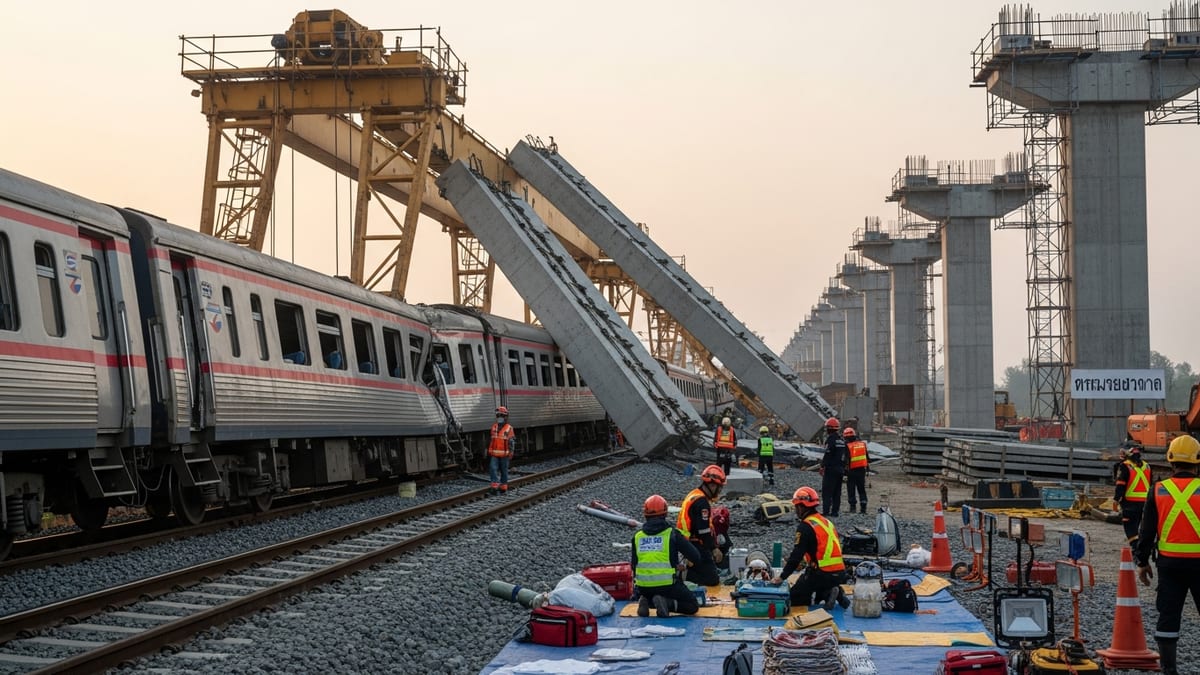
Derailment near key Bucyrus crossroads
Published accounts describe the derailment occurring on the evening of July 5 near the intersection of Whetstone Street and Auto Avenue, a mixed residential and light industrial area west of downtown Bucyrus. Several freight cars left the tracks at an at-grade crossing, with images from regional news outlets showing at least one tank car tipped at an angle alongside the rail line.
Reports indicate that approximately half a dozen cars derailed, including one or more tankers believed to be carrying hydrochloric acid. While initial assessments did not point to a large, visible release, responders treated the incident as a potential hazardous materials emergency because of the cargo and the proximity of homes and local businesses.
The derailment site sits in a corridor where rail lines run close to single family houses, small workshops, and through routes used by local traffic. That mix of land uses has intensified concern in Bucyrus, a Crawford County city of roughly 11,000 residents, about the risks posed by freight trains carrying chemicals through dense neighborhoods.
Rail operations through this part of northern Ohio form a key link between larger hubs in the region, and long freight consists are a common sight at crossings such as Whetstone Street. The latest incident has again highlighted how quickly a routine passing train can become a disruptive event with regional visibility.
Evacuation zone and emergency shelter efforts
Following the derailment, local guidance for residents evolved over several hours as responders evaluated the situation. Early advisories referenced an evacuation radius of up to one mile around the site, reflecting a cautious approach to the possible presence of hydrochloric acid in the tipped tanker and uncertainty about whether any leak had begun.
Subsequent updates from publicly available emergency management information and local broadcast coverage indicated that the zone was later narrowed significantly, with residents within roughly one third of a mile to a quarter mile of the derailment asked to leave their homes or avoid returning. Analysts cited ongoing air monitoring, shifting wind conditions, and closer inspection of the tank car as factors in gradually reducing the footprint of the restricted area.
Bucyrus High School was opened as an emergency shelter, according to local reports, providing a place for displaced residents who could not stay with family or friends elsewhere in the county. Cots, basic supplies, and space for pets were arranged as people from the immediate vicinity of the tracks sought temporary refuge while crews worked at the scene.
For travelers moving through the region, the changing evacuation perimeter led to short notice road closures around the crossing and detours along alternate local routes. Motorists entering Bucyrus from neighboring towns encountered barricades and police tape across some side streets near the rail line as access was restricted to keep sightseers away and maintain a clear operating zone for heavy equipment.
Hazardous cargo concerns and health precautions
Information from regional news outlets and emergency agencies indicates that officials treated the tanker as if it could be leaking hydrochloric acid, a corrosive substance that can cause respiratory and skin irritation at sufficient concentrations. Even in the absence of visible smoke or large plumes, responders typically adopt conservative safety measures when such chemicals are involved, particularly at night when conditions are harder to assess.
Residents within the advisory area were urged to leave if possible, while those just outside the recommended radius were encouraged to remain indoors with windows closed and air conditioning set to recirculate until more data became available. These steps align with standard precautionary guidance for potential airborne chemical exposure during rail incidents.
Early reports available by Monday indicated that there were no serious injuries associated with the derailment and no confirmed large scale release from the tanker. However, crews continued air sampling near the scene, reviewed readings from handheld monitors, and visually inspected the damaged cars to determine whether any slow seepage or localized pooling of liquid had occurred beneath the affected tanker.
For nearby homeowners and guests staying along this part of the U.S. 30 corridor, the presence of hazmat teams, fire engines, and specialized rail response trucks served as a stark reminder that major freight routes can carry volatile cargo through otherwise quiet residential pockets and travel corridors.
Travel and rail disruption in northern Ohio
The derailment quickly disrupted train movements through Bucyrus, a junction point in north central Ohio that sits between larger cities such as Mansfield and Findlay. Freight traffic through the affected line was halted while investigators documented the scene and contractors assessed how to re-rail or remove the damaged cars, a process that can take many hours even in relatively contained incidents.
Passenger rail service through this immediate area is limited, but the freight stoppage has knock on effects for rail dependent industries and distribution centers across the region. Some logistics operators rely on steady flows of rail cars feeding warehouses near major highways, and any prolonged closure can reverberate into trucking schedules and delivery times.
Travelers using nearby highways did not face long distance closures, but connectors around Whetstone Street experienced congestion as traffic was redirected. Drivers passing through Bucyrus encountered flashing emergency lights, temporary barriers, and detours that added time to local journeys. For those on road trips across Ohio, the scene underscored how quickly an infrastructure incident can alter otherwise routine itineraries.
Local tourism and small businesses, including diners, motels, and service stations that rely on through traffic, may experience short term drops in visitors if potential travelers choose to bypass the area while the derailment remains prominent in regional news. At the same time, some businesses saw a brief spike in activity from emergency workers and out of town media crews needing food and lodging.
Broader scrutiny of hazardous rail routes
The Bucyrus incident comes at a time of heightened attention to hazardous materials shipped by rail through smaller cities and rural communities in the United States. Previous high profile derailments in Ohio and elsewhere have fueled calls for more stringent safety standards, improved tank car designs, and better route planning that minimizes exposure for densely populated neighborhoods.
Publicly available federal data shows that derailments involving tank cars carrying corrosive and flammable substances remain relatively rare compared with the total number of freight movements each year. Even so, the potential consequences of a major breach continue to drive debate over speed restrictions, track maintenance, and emergency preparedness in communities straddling key rail corridors.
In Bucyrus, the tipped tanker and evacuation order are likely to intensify local discussion about how railroads communicate cargo details with emergency managers and how quickly nearby residents receive clear, consistent information in the crucial first hours after an accident. For travelers who routinely pass through the city by road or rail, the event is another reminder to stay alert to detours, heed official advisories, and build flexibility into trip plans when moving through rail crossroads.
As crews in Bucyrus work to clear the line, inspect the damaged tank car, and restore normal operations, the community joins a growing list of towns that have had daily life and local travel patterns reshaped, at least temporarily, by the complex intersection of freight infrastructure and hazardous materials transport.