


More news on this day
Once a marginal stop on Caribbean itineraries, Trinidad and Tobago has quietly engineered one of the region’s most striking cruise rebounds, transforming Port of Spain and Scarborough into headline examples of how strategic investment and careful destination management can rewrite a country’s tourism narrative.
Get the latest news straight to your inbox!
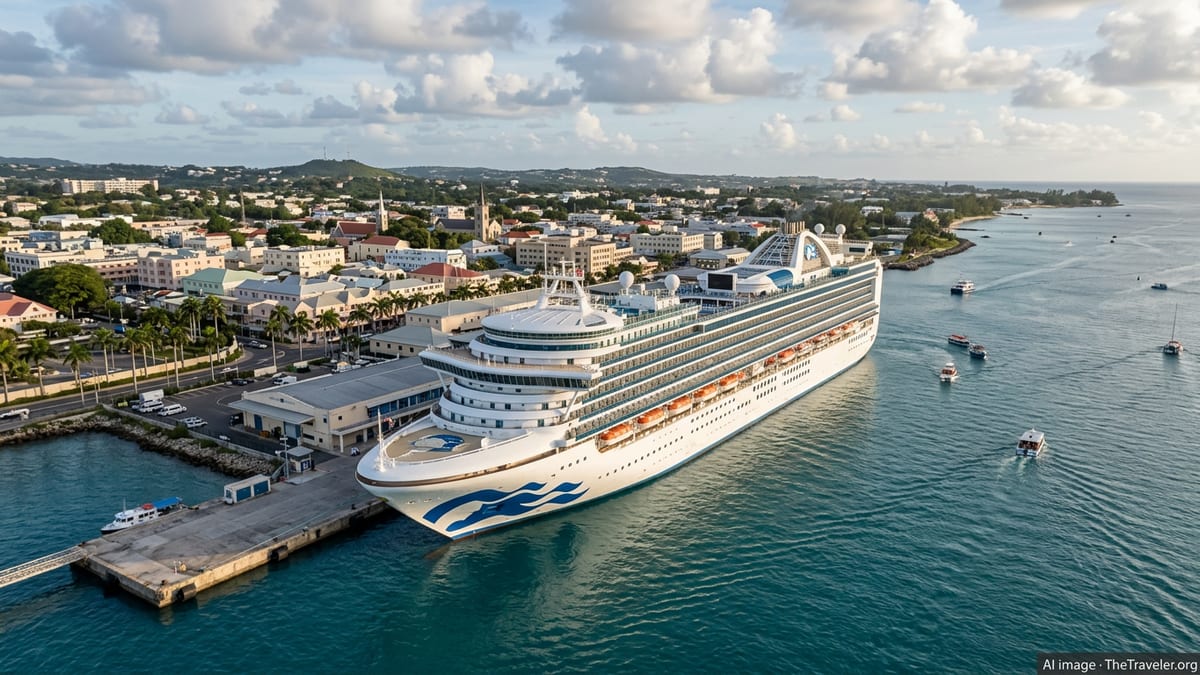
A Sharp Turnaround From Pandemic Lows
Like the rest of the Caribbean, Trinidad and Tobago saw its cruise traffic collapse in 2020 and 2021. Publicly available figures show that total cruise passenger arrivals, which had peaked at more than 120,000 before the pandemic, fell to near zero as global sailings were suspended. For a destination that has long leaned more on energy exports than on leisure tourism, there were doubts about whether the country would ever prioritize a full cruise comeback.
That outlook has shifted dramatically over the past three seasons. Government economic reviews indicate that cruise arrivals climbed back to roughly 139,000 passengers in 2023, a record for Trinidad and Tobago and a clear signal that the recovery which began in 2022 was gaining speed. Early 2024 data pointed to further growth, with officials reporting cruise arrivals up by more than 60 percent in the first five months compared with the same period a year earlier.
Regional media coverage framed the 2023 to 2024 cruise season as the country’s strongest since the pandemic, with Port of Spain and Scarborough together welcoming close to 200,000 cruise visitors. While total volumes still trail high‑capacity destinations such as the Dominican Republic or Cozumel, the rate of growth in Trinidad and Tobago has outpaced many better‑known ports, particularly in the southern Caribbean.
This rebound places the country among the most improved cruise markets in the region. Industry analysts highlight that passenger growth in Trinidad and Tobago has been achieved without the mega‑terminals and private islands that dominate other Caribbean stories, relying instead on targeted upgrades, tighter coordination with lines and a renewed emphasis on onshore experiences.
Port of Spain Reinvents Its Cruise Image
At the center of the turnaround is the Port of Spain Cruise Ship Complex, which has undergone a quiet reinvention. Tourism Trinidad has used the facility’s existing footprint more intensively, accommodating multiple simultaneous calls in the November to April high season and tailoring arrival procedures to today’s larger ships. Industry publications report that the 2023 to 2024 season saw at least 25 cruise calls in Port of Spain alone, bringing more than 57,000 passengers and over 20,000 crew members.
Published schedules for the 2024 to 2025 and 2025 to 2026 seasons show a growing mix of lines calling at Trinidad’s capital, from mainstream brands to smaller premium operators. Several ships have scheduled inaugural visits, and destination guides now routinely describe Port of Spain as a gateway for southern Caribbean and South American routes rather than an occasional out‑of‑the‑way stop.
On the ground, relatively modest but visible improvements have reshaped the arrival experience. Tourism ambassadors deployed around the terminal and downtown core offer wayfinding and basic safety guidance, while curated craft markets and cultural performances are increasingly timed to ship calls. Travel advisories and online cruise forums still highlight concerns about urban crime, yet recent passenger accounts describe organized shore excursions and escorted walking routes that manage risk while showcasing the city’s culture, architecture and culinary scene.
The result is a port that feels more intentional and less improvised than in the past. Port of Spain has not tried to replicate the theme‑park model of larger Caribbean hubs. Instead, it is leaning into its identity as a busy working city with a layered history, using controlled access, vetted tour partners and improved signage to make that experience more legible to short‑stay visitors.
Tobago’s Scarborough Port Becomes a Quiet Star
If Port of Spain has carried the narrative of reinvention, Tobago has supplied the raw numbers that make Trinidad and Tobago’s cruise comeback stand out. Data released by the Tobago House of Assembly for the 2023 season show that Scarborough welcomed more than 100,000 cruise passengers, more than double the arrivals recorded the previous year. That surge moved Tobago into contention with established small‑island ports that have been in the cruise business far longer.
Schedules for the 2024 calendar year, published by the Port Authority, list frequent calls by mid‑size ships such as Costa Fortuna and regular visits by European and North American brands during the winter months. Industry bulletins suggest that roughly 40 cruise calls are expected again in the 2024 to 2025 period, signaling that Scarborough’s strong season was not a one‑off spike but the start of a more stable presence on regional itineraries.
Tobago’s appeal lies in experiences that are increasingly scarce in the Caribbean. Cruise passengers can reach beaches, coral reefs and rainforest reserves within a short drive of the pier, allowing even short stays to combine snorkeling, birdwatching and heritage sites. Local authorities have promoted certified tour guides and small‑group excursions that highlight the island’s protected marine areas and its long‑standing reputation for low‑key, nature‑focused tourism.
For cruise lines under pressure to diversify shore‑excursion offerings, Scarborough offers variety without heavy new infrastructure. This alignment between the island’s traditional strengths and the industry’s current appetite for authentic, lower‑density experiences has turned Tobago into a quiet star of the regional cruise recovery.
Numbers That Outperform the Region’s Recovery Curve
What makes Trinidad and Tobago’s story stand out is not just that cruise traffic is back, but the pace and consistency of its climb. Business press coverage of the 2023 to 2024 season noted a 42 percent jump in combined passenger arrivals for Trinidad and Tobago compared with the preceding season, taking traffic from roughly 140,000 cruise visitors to close to 200,000 in a single year.
That growth followed a year in which Port of Spain’s own cruise arrivals had already increased sharply. Tourism Trinidad’s previous season summary cited an approximately 80 percent rise in passenger numbers for the capital between the 2022 to 2023 and 2023 to 2024 seasons, as new lines tested the destination and existing partners added calls. At the same time, Tobago’s triple‑digit percentage gain in cruise visitors underscored how much untapped capacity existed before the pandemic.
By comparison, broader Caribbean data show that many established cruise hubs have focused on returning to their 2019 volumes rather than breaking new ground. Some destinations have reached or slightly surpassed pre‑pandemic levels largely by adding capacity from the same core lines. Trinidad and Tobago’s trajectory is different: the country is growing from a smaller base, but is doing so while adding new brands and experimenting with itineraries that place the twin‑island state as a southern anchor rather than a peripheral call.
Economic reports suggest that the impact is already visible in local spending. Passenger disembarkation surveys in Port of Spain point to high exit rates from ships and average onshore spends in the tens of US dollars per visitor, channeling new revenue to tour operators, craft vendors and food businesses clustered around both ports.
Why This Has Become the Region’s Most Inspiring Cruise Story
In a Caribbean cruise market dominated by mega‑projects and private islands, Trinidad and Tobago’s resurgence offers an alternative playbook. Instead of building entirely new terminals, the country has focused on improving operations at existing facilities, strengthening coordination among tourism agencies, port authorities and local businesses, and aligning onshore offerings with what contemporary cruise travelers say they want.
Regional commentators point out that this has happened against a complex backdrop that includes economic pressures, heightened attention to traveler safety and political transitions at home. Despite these headwinds, the country has managed to welcome its largest‑ever cruise volumes, attract ships that had never called there before and position both Port of Spain and Scarborough as credible staples on southern Caribbean journeys.
For travelers, the payoff is a pair of ports that feel different from many of the region’s more homogenized cruise stops. In Trinidad, visitors step directly into an energetic capital city where music, food and everyday life unfold within view of the harbor. In Tobago, they find a slower rhythm built around reefs, rainforests and small communities that have been welcoming visitors for decades without losing their sense of place.
As lines plan itineraries further into the decade, industry coverage suggests that the twin‑island state is increasingly seen not as an afterthought, but as a strategic way to deepen southern Caribbean offerings. That shift, achieved with relatively limited resources and in a short timeframe, is what has turned Trinidad and Tobago’s cruise port comeback into one of the most inspiring travel stories in the region right now.