


More news on this day
British travelers eyeing winter sun in Dubai and other Gulf hotspots received a boost as the United Kingdom eased its strictest travel warning for the United Arab Emirates following a US‑Iran peace agreement that has sharply reduced missile and drone attacks across the region.
Get the latest news straight to your inbox!
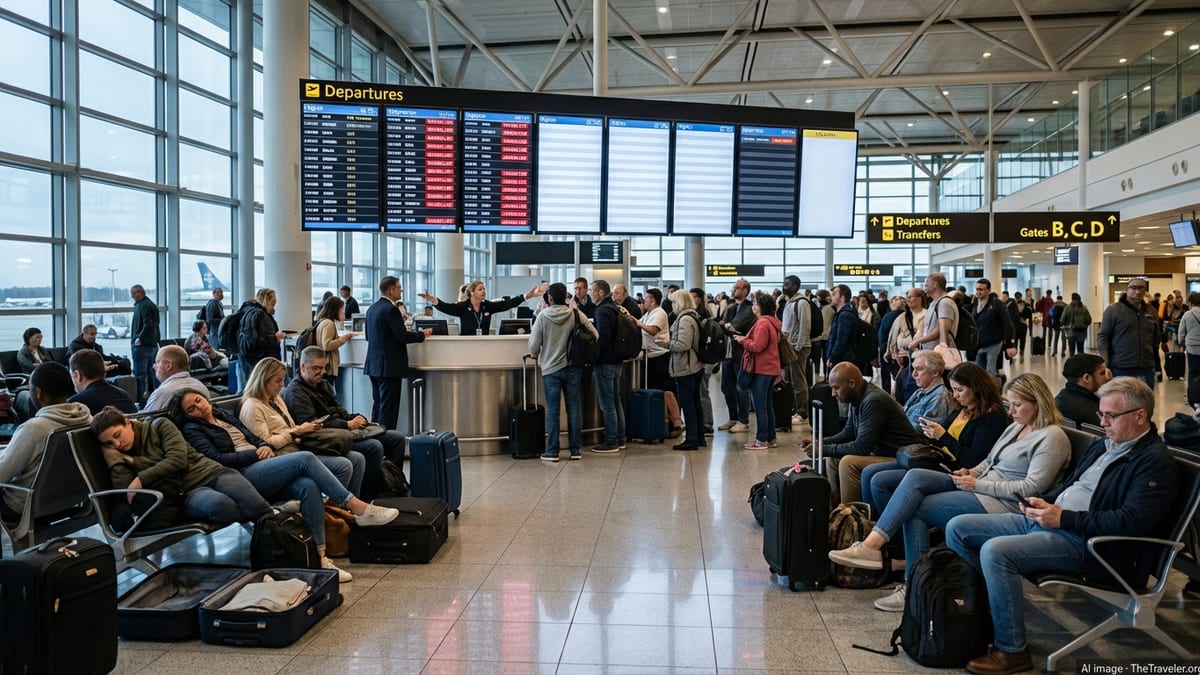
Shift in UK advice after regional de-escalation
Publicly available UK Foreign, Commonwealth and Development Office information now shows that the United Arab Emirates is no longer subject to the "all but essential travel" warning that had been in place for much of the recent Iran–US–Israel confrontation. That tougher stance, introduced after large-scale Iranian strikes on Gulf infrastructure and subsequent Israeli and US actions, had effectively frozen many British holiday plans, with airlines cutting frequencies and some operators suspending Dubai packages.
The change follows confirmation of a US‑Iran agreement intended to halt cross‑border attacks and reopen key air and sea corridors. Travel industry briefings and aviation circulars describe a gradual normalization of regional airspace after months of rolling restrictions affecting routes over the Gulf and parts of the Levant. Insurers and tour operators had been closely tracking the Foreign Office wording, because the higher warning level can invalidate standard travel policies and trigger refund rights.
While the detailed FCDO text for the UAE still highlights a heightened terrorism risk and the potential for sudden disruption, the removal of the severest warning tier signals that the UK government no longer views routine leisure travel to Dubai and other emirates as inherently unacceptable. Other Gulf states that were covered by the same cluster of regional alerts are also seeing their advice recalibrated in line with the easing of hostilities.
What the new guidance means for Dubai-bound travelers
For British tourists, the most immediate impact of the softer advisory is on travel insurance and flexibility. Many mainstream UK insurers reference FCDO guidance in their small print, and may refuse cover for trips taken against "all but essential travel" advice. With that language now lifted for the UAE, policies that automatically excluded leisure trips to Dubai during the peak of the crisis are expected to revert to standard terms, provided travelers comply with any remaining conditions.
Package holidaymakers also stand to benefit. When the highest warning level was in place, several UK and European tour brands paused Dubai city breaks and beach stays in Ras Al Khaimah and other emirates, citing both customer demand and legal obligations. The latest shift opens the door for winter‑sun brochures and last‑minute offers to return, though operators are likely to emphasize flexible booking rules and the possibility of schedule changes if tensions flare again.
On the ground in Dubai, publicly available airport and airline updates indicate that operations are stabilizing after a period of curtailed schedules and diversions. Carriers based in the UAE had continued flying throughout the conflict, but at reduced capacity and often via longer routings to avoid high‑risk airspace. As regional flight paths reopen, travel specialists expect more nonstop frequencies from London and key regional UK airports, along with improved connection times for itineraries into Asia and Africa.
Gulf states reposition after Iran peace deal
The easing of UK travel warnings comes against a backdrop of Gulf governments seeking to reassert their role as reliable hubs following months of missile and drone attacks linked to the Iran confrontation. Open‑source analysis of the conflict records hundreds of projectiles launched at targets in the UAE and other states hosting US military facilities, damaging civilian infrastructure and denting their image as safe havens for business and tourism.
With the new peace framework in place between Washington and Tehran, regional diplomacy has moved quickly. Statements from Gulf capitals and multilateral forums have welcomed the halt to strikes and stressed a shared interest in keeping vital shipping lanes and air corridors open. Industry‑focused commentary notes that Dubai, Abu Dhabi and Doha in particular are keen to reassure investors and visitors that the crisis period is over, even as they invest in hardened defenses and emergency planning.
For UK travelers, that repositioning translates into a more familiar narrative: modern airports, extensive hotel capacity and a focus on large‑scale events designed to draw back international visitors. However, security analysts caution that the structural drivers of tension between Iran, Israel and Western allies have not disappeared, and that Gulf hubs are likely to remain exposed to any future flare‑ups in the wider Middle East.
Ongoing cautions and practical advice
Despite the improved outlook, the latest UK travel advice for the UAE and neighboring states continues to carry firm warnings about terrorism and the possibility of renewed regional escalation. The security sections highlight the potential for attacks on locations associated with Western interests or Israel, and encourage travelers to remain aware of their surroundings, especially around high‑profile venues, festivals and major shopping areas popular with tourists.
Practical guidance from travel risk consultants and major insurers emphasizes a few recurring themes. Travelers are urged to register accurate contact details with their tour operator or airline, monitor reputable news outlets and official channels for updates, and keep contingency plans in mind for sudden airspace closures or airport disruptions. Those booking independently are advised to check that their insurance explicitly covers travel to the Gulf under the current advisory level.
Business travelers returning to regular Gulf itineraries are also being asked by employers to build additional flexibility into their schedules. Corporate travel policies increasingly reference regional security assessments, with some companies requiring pre‑trip authorization or specifying that staff avoid border areas and military installations, even inside broadly open destinations such as Dubai.
Impact on airlines, tour operators and pricing
The Foreign Office shift is expected to feed quickly into airline planning and pricing for the UK‑Gulf market. During the height of the conflict, several European carriers reduced or suspended flights to Dubai and nearby hubs, while Gulf airlines consolidated UK services and redeployed capacity to other long‑haul routes. As confidence returns, seat supply is already edging higher, and fare analysts anticipate a gradual easing of the war‑related price premium that had crept into some economy and business‑class tickets.
Tour operators are moving cautiously but optimistically. Travel trade reports signal that some UK companies are reinstating Dubai packages pulled during the worst of the Iran strikes, with a focus on flexible cancellation, low deposits and added value extras rather than deep discounts. Industry bodies suggest that demand could recover quickly given Dubai’s pre‑crisis popularity with British holidaymakers, though booking patterns may remain late and heavily influenced by headlines.
For now, the message to UK travelers is one of conditional opportunity. With the UK’s strictest warning removed and a peace deal between Iran and the United States taking the immediate pressure off Gulf airspace, Dubai is back within reach for many would‑be visitors. At the same time, the official guidance still urges vigilance and careful planning, underlining that this is a repricing of risk, not its disappearance.