


More news on this day
British holidaymakers are eyeing Middle Eastern beaches and stopover hubs with fresh enthusiasm after the UK Foreign, Commonwealth & Development Office relaxed its strict “do not travel” guidance for parts of the region ahead of the crucial summer getaway period.
Get the latest news straight to your inbox!
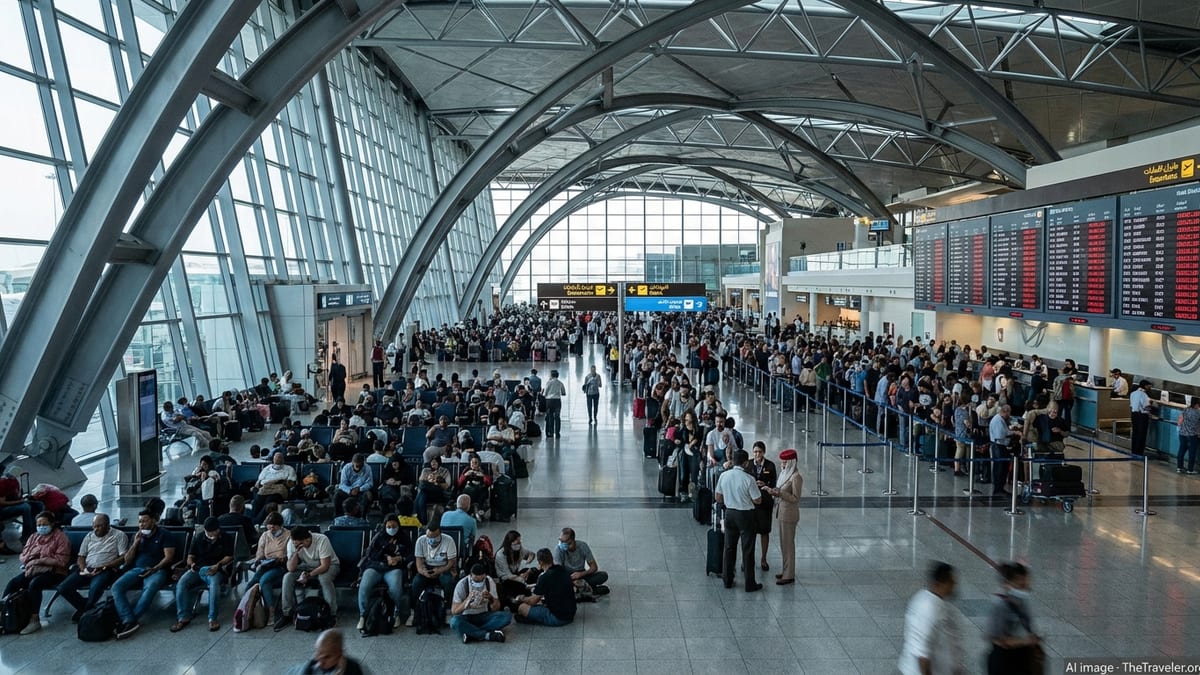
Key Gulf Hubs Removed From Highest-Risk Category
According to recent industry reporting, the Foreign Office has scaled back its most severe travel warning for the United Arab Emirates and Qatar, following a period in which both countries were covered by broad advice against all but essential travel due to regional tensions and airspace disruption. Updated guidance now treats the popular Gulf states as open to leisure trips, while still urging travellers to remain alert to the wider security picture.
The shift comes within days of reports of a tentative peace agreement between the United States and Iran, a development that analysts say has reduced the immediate risk of further escalation affecting Gulf airspace. Trade publications indicate that the new advice removes earlier ambiguity around transiting through Dubai, Abu Dhabi and Doha, three of the most important long-haul hubs for British travellers.
Tour operators describe the change as a significant moment for the sector, which had been grappling with cancellations, rerouting and higher costs as aircraft were diverted away from sensitive corridors. With the formal “do not travel” warning lifted for these destinations, companies can again promote summer packages to the Gulf with greater confidence, subject to any airline-specific operational decisions.
Consumer-facing travel updates show that some carriers and online agencies have already begun reinstating normal schedules through the region, citing the revised government stance and the reopening of key airspace as decisive factors in their planning.
Mixed Picture Across a Still-Volatile Region
While the easing of restrictions for the UAE and Qatar is being welcomed, publicly available digests of government and risk-industry analyses underline that the broader Middle East remains highly complex. Executive briefings compiled this month suggest that the UK continues to advise against all travel to several countries, including Iran, Iraq, Lebanon and Syria, and maintains heightened warnings for parts of others.
Travel risk assessments show that Yemen and areas close to conflict zones remain firmly off limits for most leisure visitors, reflecting persistent instability and limited consular support on the ground. Other destinations, such as Jordan and Saudi Arabia, are subject to more granular guidance that differentiates between major cities, border regions and specific transport hubs.
The contrast highlights how the latest Foreign Office move is best understood as a targeted recalibration rather than a sweeping reopening of the entire region. Industry commentators note that the Gulf’s large, tightly managed aviation gateways are in a different category from countries more directly exposed to frontline tensions.
Specialist security firms tracking official notices from multiple governments continue to flag the potential for sudden changes in risk levels, advising clients that airspace restrictions and localised unrest can still emerge at short notice despite the improvement in headline diplomatic relations.
Summer Demand Surges As Families Rebook
For British travellers, the timing of the updated advice is highly significant. The decision has landed just as many households are locking in school-holiday trips for July and August, a period when Gulf resorts and city stays traditionally attract families seeking guaranteed sunshine and extensive flight connections.
Package operators have reported a spike in inquiries for Dubai, Abu Dhabi and coastal resorts in the days since the revised guidance was noted by consumer media. Travel agents say the combination of newly green-lit destinations and competitive pricing, following months of suppressed demand, is pushing some customers to switch from Mediterranean options to higher-end Gulf breaks.
Stopover traffic is also expected to rebound. Before the warning, a substantial share of long-haul journeys to Asia, Africa and Australasia routed through the UAE and Qatar. When the Foreign Office escalated its advisory, many travellers opted for alternative European or North American hubs, often at higher fares and with less convenient timings. Industry observers now anticipate a gradual shift back toward the traditional Gulf connectors as confidence returns.
However, booking patterns remain more last-minute than in pre-crisis years. Travel consultants point out that some clients are still hesitant to commit months ahead, preferring flexible fares or packages that allow changes if the geopolitical outlook deteriorates again.
Insurance, Refund Rights And Fine Print Still Matter
The downgrading of the “do not travel” warning has important implications for travel insurance and consumer rights. Guidance from travel trade bodies explains that when the Foreign Office advises against all travel to a destination, many standard policies limit or remove cover, and package providers are generally expected to offer alternatives or refunds.
With the highest-level warning lifted for the UAE and Qatar, standard insurance products are more likely to operate as normal for trips to those countries, although travellers are being urged by consumer advocates to read policy documents carefully. Risk-focused explainers published this month stress that coverage can vary significantly between insurers, especially where knock-on disruption from airspace closures or regional incidents is concerned.
Advisory notes from travel associations also underline that if the government is not actively advising against travel, normal cancellation terms usually apply. That means holidaymakers who change their minds for personal reasons may face standard fees, even if news headlines remain unsettled. Experts therefore recommend that travellers weigh their own risk tolerance and consider paying extra for enhanced flexibility at the time of booking.
Legal and consumer groups continue to monitor how airlines and tour operators handle rebookings and refunds linked to Middle East routing changes, noting that future shifts in official advice could once again alter passengers’ entitlements at short notice.
Practical Tips For Brits Heading Back To The Gulf
As flights and packages ramp up, travel advisers are encouraging prospective visitors to do more than rely on headlines. Official portals for UK travel advice remain the primary reference point for destination-specific guidance, including safety information, local laws and entry requirements.
Experienced Middle East operators recommend that travellers planning summer trips register for email updates on the countries they intend to visit or transit through, so that any overnight changes to risk assessments or airspace restrictions reach them quickly. They also suggest building in extra time for connections, especially in the early weeks of the restart, while airlines fine-tune timetables and routings.
Holidaymakers are being reminded to check that their passports, visas and health documentation align with current rules, which can differ between Gulf states despite their geographic proximity. Travel planners advise that those combining the UAE or Qatar with neighbouring destinations should pay close attention to varying entry and security conditions when designing multi-stop itineraries.
For now, the loosening of the Foreign Office’s most severe warning is lifting a weight from both travellers and the tourism industry, turning the Gulf’s glittering skylines and desert resorts back into realistic options for British summer escapes, even as everyone keeps one eye on a region that remains sensitive to fast-moving geopolitical events.