


More news on this day
Spain is tightening tourism ties with Portugal and neighboring markets at the same time that Marbella, one of the country’s flagship resort cities, advances a new wave of luxury developments aimed at high-spending international visitors.
Get the latest news straight to your inbox!
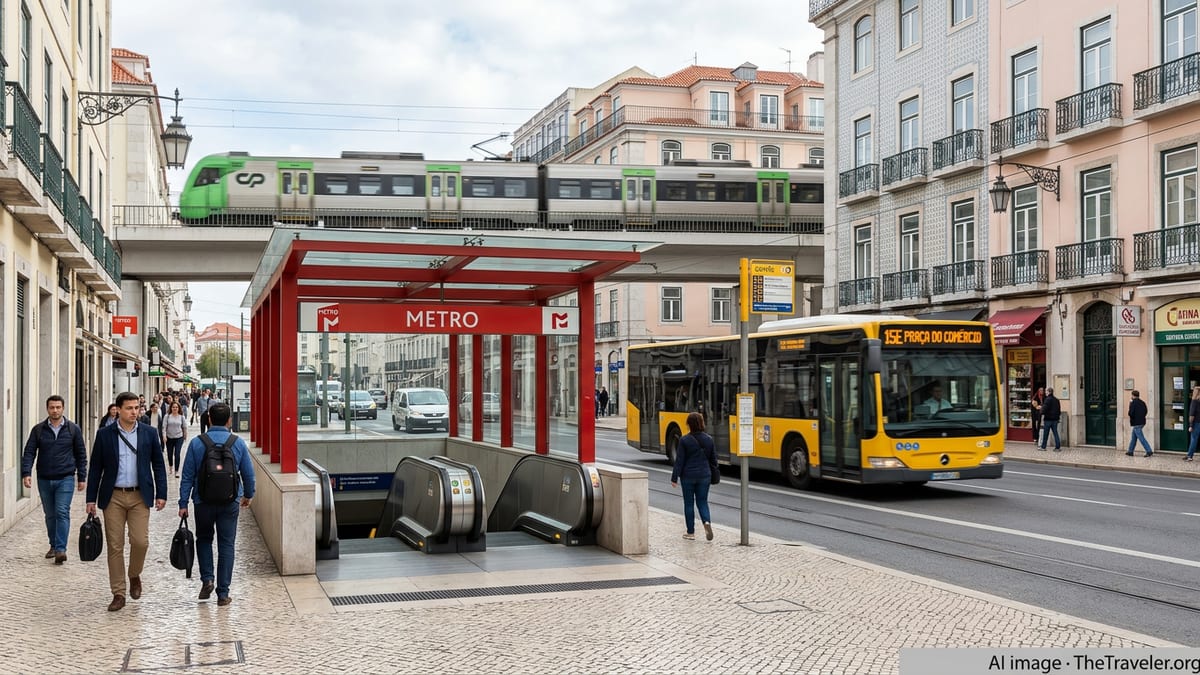
Cross-border partnerships reshape the Iberian tourism offer
Publicly available information shows that Spain and Portugal have renewed and expanded joint tourism strategies that prioritize sustainability, competitiveness and innovation across the Iberian Peninsula. The latest cross-border plans for 2024 to 2026 focus on reinforcing shared tourism products, improving connectivity and promoting the peninsula as a single, complementary destination for international travelers.
According to published coverage from both governments, the agenda extends beyond classic city-break itineraries to emphasize nature, culture and inland destinations along the border between the two countries. Cooperation initiatives highlight “triple sustainability” in economic, social and environmental terms, with collaborative marketing and knowledge-sharing aimed at drawing higher-value visitors rather than simply increasing volume.
Parallel diplomatic meetings between Spain and Portugal in 2024 underlined tourism as one of the most dynamic elements of the bilateral relationship. Reports indicate that both sides are aligning transport, cultural programming and regional development policies so that travelers can move more seamlessly between Iberian regions, including Andalusia in southern Spain and key Portuguese cities and coastlines.
Specialized tourism analysis from Portugal’s national tourism body notes that Spain is a leading source market for Portuguese destinations, while Spain continues to receive growing numbers of Portuguese travelers. This dense two-way flow of visitors is reinforcing efforts to jointly position the peninsula to long-haul markets such as North America, Latin America and Asia, where travelers often visit multiple countries in a single trip.
World Cup bid and regional alliances raise Spain’s profile
The successful joint bid by Spain, Portugal and Morocco to host the 2030 FIFA World Cup is expected to accelerate cross-border investment in infrastructure and tourism services. Tournament matches are scheduled to take place across all three countries, while opening commemorative games are planned in Uruguay, Argentina and Paraguay, creating one of the most geographically extensive World Cups on record.
Tourism analysts suggest that the event could further raise Spain’s visibility as a hub for multi-country itineraries that connect Iberia with North Africa and South America. Preparations are prompting local and regional authorities to review transport links, visitor services and hospitality capacity, particularly in destinations that already handle high volumes of international guests.
Within Spain, Andalusia and the wider Costa del Sol are seen as beneficiaries of this broader positioning. Long-established resort cities such as Marbella are seeking to leverage the World Cup’s global exposure alongside existing air and rail connections to attract both fans and high-spending visitors who extend their stays before or after matches in other parts of Iberia or Morocco.
Industry observers note that the World Cup is arriving at a time when Spain is already recording record-breaking levels of international tourism and visitor spending. The combination of high-profile events, regional alliances and a maturing luxury offer is shaping how destinations recalibrate from mass-market sun-and-sand travel to more segmented, upscale experiences.
Marbella doubles down on ultra-luxury hospitality
Marbella, long known as a playground for affluent travelers, is undergoing a new phase of transformation centered on high-end hospitality and branded residences. Local and regional planning documents, together with corporate announcements, point to significant pipeline projects involving global luxury hotel operators, new-build resorts and large-scale refurbishments.
In the western part of the Costa del Sol, one of the headline schemes involves a planned Four Seasons resort and residences led by international real estate and hospitality investors. A recent milestone announced in 2026 indicated progress on finance and development agreements, with the project framed as a future icon for Marbella’s luxury coastline and broader Mediterranean tourism landscape.
Elsewhere in the Marbella area, new branded hotel and residence concepts such as the Angsana Real de La Quinta in nearby Benahavís are being marketed as next-generation retreats that integrate wellness, gastronomy and nature. Promotional material describes these developments as aiming to set new benchmarks for luxury tourism south of Málaga, with a strong focus on experiential travel and sustainability credentials.
Existing prestige properties are also reinforcing the destination’s high-end image. The historic Marbella Club and its sister property Puente Romano Beach Resort continue to receive international recognition in travel awards and lifestyle rankings, which in turn supports the city’s appeal among discerning travelers seeking established brands alongside emerging luxury concepts.
New events and source markets signal a strategic repositioning
Marbella’s reinvention is not limited to bricks-and-mortar projects. The city is increasingly positioning itself as a meeting point for global luxury travel professionals, with new industry events selecting the resort as host. One notable example is a high-end travel summit focused on Spain and Portugal that held its first edition in Marbella in October 2025, bringing together hoteliers, destination marketers and specialist tour operators from both countries.
According to post-event press material, the summit’s program showcased boutique and luxury properties across the Iberian Peninsula while highlighting cross-border itineraries and shared themes such as gastronomy, culture and wine tourism. Marbella’s selection as the venue underscored its ambition to act as a showroom for top-tier Spanish hospitality at a time when the city is refreshing its own offer.
At the same time, recent coverage in Spanish media indicates that Marbella is seeing a notable increase in high-spending visitors from the United States and other long-haul markets. Travel promotion campaigns involving national and regional tourism boards, as well as collaborations with luxury associations, have targeted cities such as Miami and New York to raise awareness of the Costa del Sol as an alternative to more established Mediterranean resorts.
Real estate agencies active in Marbella report growing interest from international buyers seeking second homes and investment properties in the upper price brackets. This demand reinforces the pattern of visitors who combine leisure stays with property searches and long-term lifestyle changes, further entrenching the city’s profile as both a resort and a residential hub for global elites.
Balancing growth, sustainability and local impact
The rapid evolution of Marbella’s luxury sector is prompting fresh discussion about sustainability and community impact, themes that also feature in Spain’s broader cooperation agenda with Portugal. Policy documents on cross-border tourism emphasize the need to diversify visitor flows beyond a few coastal hotspots, promote longer stays and encourage spending patterns that support local economies year-round.
Destination managers in Andalusia increasingly reference concepts such as carrying capacity, resident wellbeing and environmental stewardship when outlining future plans. The expansion of high-end, lower-density resorts and wellness retreats is often framed as a way to generate greater economic returns per visitor while reducing pressure on urban centers and public services compared with traditional mass tourism models.
Observers note that achieving this balance will depend on how new hotel and residential projects are integrated into existing urban fabric, transport networks and natural landscapes. Issues such as water use, shoreline protection and housing affordability are likely to remain central to public debate as major investments move from planning stages to construction and operation.
For now, the convergence of Spain’s partnerships with Portugal and other neighbors, the coming 2030 World Cup and Marbella’s intensified push into ultra-luxury travel is setting the stage for a reconfigured Mediterranean tourism map. How successfully the region manages growth while preserving its coastal environment and local character will shape the next chapter of its appeal to global travelers.