


More news on this day
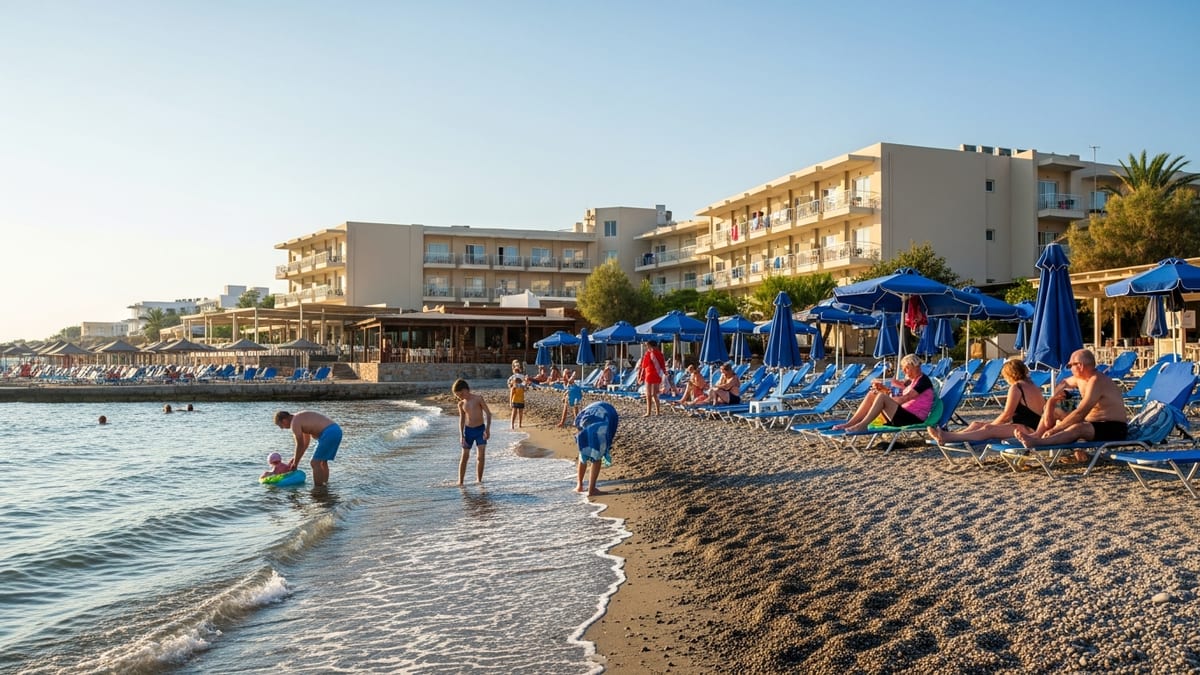
UK seaside holiday parks are entering the 2026 peak season with a rare combination of record availability and aggressive price promotions, creating one of the most competitive summers in years for families seeking affordable coastal getaways and domestic staycations.
Get the latest news straight to your inbox!
Competitive pricing puts pressure on peak-season costs
After several years of surging demand and rising prices, major UK holiday park operators are marketing 2026 as a year of sharper value. Industry comparison coverage indicates that leading brands are advertising summer 2026 caravan breaks from under £200 for short stays, with some June and early July offers significantly below peak 2025 levels. Independent analysts describe this as a recalibration following the post‑pandemic boom, with operators using discounts to defend occupancy as household budgets remain under strain.
Holiday Park Guru’s 2026 benchmarking of big coastal brands highlights entry prices such as “summer 2026 from £159” at some seaside parks, alongside last‑minute deals from as low as £49 on quieter dates. These headline offers typically apply to basic caravan grades and midweek breaks, yet they underline the breadth of discounted stock now being pushed for the coming season.
Operators have also rolled over tactical incentives first trialled in 2024 and 2025, including early‑booking price locks, low‑deposit schemes and free or reduced child places outside school holidays. Park marketing materials for 2026 emphasise bundled value, combining accommodation discounts with on‑park credit or inclusive access to selected activities to make overall trip costs more predictable for families.
Specialist leisure sector commentary notes that this pricing shift is happening against a backdrop of easing inflation and relatively stable wage growth. Consultancy forecasts for 2026 describe the wider UK leisure market as “resilient” but increasingly value‑driven, with customers trading down from hotels and overseas trips to self‑catering parks, while still seeking upgraded facilities and experiences.
Record availability despite strong staycation intentions
Published tourism data paints a mixed picture for domestic travel, but one that appears to favour large seaside holiday parks in 2026. Analysis from the New Economics Foundation in February reported that spending on seaside staycations has fallen by 28 percent since 2022, with the number of nights spent at coastal and small‑town destinations dropping sharply over the same period. At the same time, consumer surveys collated by industry platforms suggest a majority of UK travellers still plan at least one domestic break each year, with forecasts pointing to steady long‑term growth in the staycation segment.
This apparent contradiction is being explained as a shift in how and when people book. Reports from holiday‑lettings intermediaries and tourism bodies show a move toward shorter, more frequent breaks, often booked at short notice and outside the traditional school‑holiday peak. February 2026 sentiment tracking from VisitBritain indicated that domestic overnight trip intentions for the next 12 months were lower than a year earlier, but more flexible working patterns and “micro‑breaks” are helping to redistribute demand across the calendar.
For large multi‑park brands, this environment has created unusually deep availability going into summer 2026, particularly for April to early July and late‑August periods. Travel trade analysis shows that coastal holiday parks, many of which expanded capacity or upgraded accommodation after record 2021–2023 seasons, are now using that inventory as a competitive tool. Families willing to travel midweek or avoid the very busiest school‑holiday weeks are being presented with a wider choice of units, locations and price points than in recent years.
At a regional level, the trend is uneven. Local media in North Devon, for example, report rising bookings at prominent sites such as Woolacombe Bay Holiday Parks for 2025 and 2026, citing new caravans, improved facilities and an emphasis on family‑friendly activities. In contrast, some smaller coastal resorts without significant reinvestment are still seeing weaker demand. Overall, though, the national picture for the park sector points to high available capacity being matched with increasingly aggressive marketing.
Investment in facilities aims to add value without raising prices
To sustain demand while keeping prices in check, operators spent heavily on upgrades through 2024 and 2025, and those investments are a central selling point for 2026. Haven, one of the UK’s largest coastal park brands, publicly reported £140 million of investment in 2025 across new swimming complexes, refurbished accommodation and enhanced dining offers, coinciding with a record 3.7 million holidaymakers that year and summer bookings trending ahead of 2024. Those capital works are now feeding into the 2026 season, with several parks unveiling improved pools, play areas and entertainment venues.
Industry property advisers note that holiday parks with more than 150 pitches and diversified income streams have remained particularly attractive to investors. Christie & Co’s Business Outlook 2026 describes strong appetite for larger parks that can generate dependable pitch fees and ancillary revenue, even as operators face higher energy, food and wage costs. This investment focus has helped many seaside parks modernise without immediately passing the full cost on to guests.
Other operators are following a similar path. Parkdean Resorts, which runs dozens of coastal and countryside parks, highlights upgraded accommodation and new activities across its network, alongside promotions for “early summer getaways” in May, June and July 2026. Smaller groups such as Verdant Leisure also showcase refurbished lodges, expanded entertainment programmes and dog‑friendly facilities, marketed as ways to “do more” on site while keeping overall trip budgets tight.
For families weighing value, the result is a market where static caravan stays increasingly resemble compact resort holidays. On‑park restaurants, branded fast‑food outlets, indoor pools, splash zones and organised kids’ clubs are common at leading coastal sites, reducing the need for daily off‑site spending. With many deals specifically targeting low‑season or shoulder‑season weeks, operators are signalling that the best value for 2026 lies just outside the busiest school‑holiday windows.
Family‑focused extras and flexible formats broaden appeal
The strongest offers for 2026 are heavily oriented toward families and multi‑generational groups. Marketing materials and park websites place particular emphasis on under‑fives, with toddler splash pools, soft‑play zones and early‑evening entertainment schedules designed around younger children’s routines. Some operators are promoting “tots weeks” or pre‑schooler breaks in May and June, when prices remain lower and facilities are typically less crowded than in late July and August.
Dog‑friendly holidays are another growth area. Haven reports operating more than 30 dog‑friendly parks, many close to beaches where pets are permitted outside peak hours or on specific stretches of coastline. Operators are expanding pet‑friendly accommodation grades, adding dog‑wash stations and highlighting nearby walking routes to capture a demographic that might otherwise look to rural cottages or camping.
Flexible accommodation formats are also helping parks reach new audiences in 2026. Alongside traditional static caravans, many sites now offer glamping pods, luxury lodges and accessible units designed for guests with limited mobility. Shorter, two‑ or three‑night stays are widely available, particularly midweek, supported by late‑availability pages that package discounted accommodation with entertainment passes or dining credit.
Travel trend analysts suggest these changes are part of a broader shift toward modular holidays, where travellers piece together multiple short UK breaks alongside one main overseas trip, rather than relying on a single fortnight away. Seaside parks, with their fixed costs and ability to flex prices close to arrival, are well placed to capture those additional domestic getaways.
Strategic moment for UK coastal staycations
Despite the reported fall in overall seaside staycation spending since 2022, forecasts compiled by travel consultancies and booking platforms still anticipate steady medium‑term growth in domestic tourism. One major staycation index estimates the UK domestic holiday market could grow by around 5 to 6 percent a year through to the mid‑2030s, driven by demand for shorter breaks, environmental concerns about flying and the flexibility of remote or hybrid working patterns.
For 2026, this leaves seaside holiday parks in a strategic position. High availability and visible discounting mean operators are competing harder for each booking, yet this competition is working in favour of price‑sensitive families comparing options for the school summer holidays and shoulder seasons. Promotions for early‑summer 2026 coastal breaks from large brands, coupled with continuing investment in facilities, suggest that many parks are prioritising occupancy and guest experience over short‑term margin expansion.
As the peak season approaches, the focus for families will be timing and research. The broadest choice of pitches and the most attractive prices appear concentrated in late spring, early July and the final weeks of August, particularly at larger seaside parks that have expanded capacity. With the cost of overseas travel still elevated for many households, publicly available data and industry commentary indicate that UK coastal holiday parks are positioning summer 2026 as an opportunity to rediscover the traditional seaside break at a more manageable price point.