


More news on this day
Travelers moving through Las Vegas’s Harry Reid International Airport on June 9 faced fresh disruption as one United Airlines flight was canceled and several more were delayed, sending schedule ripples to major cities across the United States and Canada.
Get the latest news straight to your inbox!
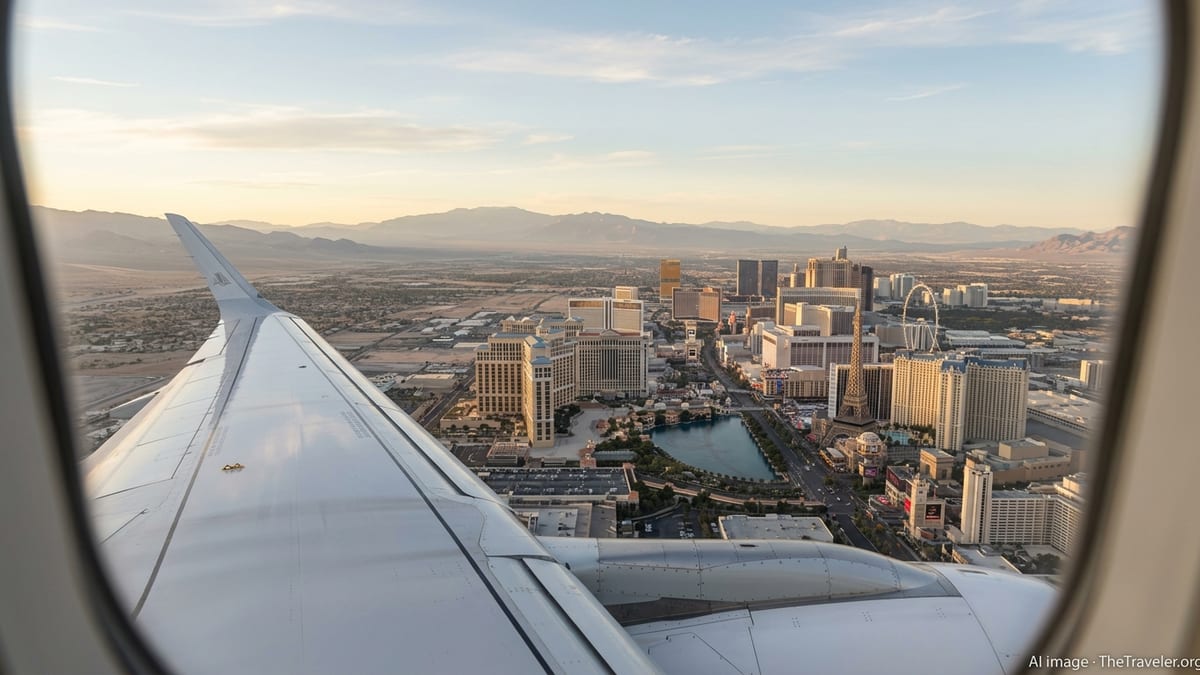
Disruptions Erupt at a Key Western Hub
Publicly available flight-tracking data and airport status boards on June 9 indicate that United Airlines operations at Harry Reid International Airport experienced a mix of delays and at least one same-day cancellation, affecting departing and arriving services. The issues emerged during an already busy early-summer travel period, amplifying the impact for passengers using Las Vegas as both a destination and a connection point.
United operates from Terminal 3 at Harry Reid International, linking Las Vegas with major domestic hubs and a number of regional destinations. When one of those flights is removed from the schedule or pushed back significantly, knock-on effects can quickly spread across the carrier’s network, especially for travelers relying on tight connections.
Las Vegas is among the nation’s busiest airports by passenger volume, and recent airport statistics show United handling a substantial share of traffic through the facility. That scale means even a modest cluster of irregular operations can translate into hundreds of disrupted itineraries within just a few hours.
Reports compiled from aviation data providers show United departures from Las Vegas encountering schedule changes on June 9, with some flights facing revised departure times and longer-than-normal ground holds. Passengers were advised through airline communications and travel alerts to monitor their flights closely and prepare for changing departure and arrival estimates.
Impact Spreads to Long Beach, Nashville, Eugene and San Jose
The operational strain at Harry Reid International translated into tangible disruption for travelers heading to or from several secondary but strategically important cities, including Long Beach, Nashville, Eugene and San Jose. These routes often serve as critical connectors for business travelers, leisure visitors and residents who depend on predictable schedules for same-day trips and onward connections.
In Long Beach and San Jose, where airport operations are more constrained by limited gates and tightly timed banked departures, any late arrival from Las Vegas can cascade into further delays. According to flight-status boards reviewed on June 9, several United-operated and United-branded regional services tied to Las Vegas showed altered departure times, extending waits for passengers at both ends of the route.
Nashville and Eugene, while very different in size and traffic volume, share a reliance on reliable connectivity to western hubs. When a Las Vegas departure is delayed or canceled, travelers bound for these cities can lose same-day connections or face rebooking through alternate hubs such as Denver, Houston or San Francisco. Publicly available schedule data showed instances in which flights linked to Las Vegas required retiming, forcing passengers into later arrivals or overnight stays.
For many travelers, these disruptions meant extended time in terminal waiting areas, last-minute changes to ground transport and lodging plans, and uncertainty around events and commitments scheduled at their final destination. Social media posts and traveler reports referenced missed meetings, delayed vacations and tight arrivals for evening concerts and sporting events.
New Orleans, Cross-Border Links and Network Knock-On Effects
New Orleans was among the destinations affected as the Las Vegas disruptions rippled eastward across United’s network. Flights connecting through Harry Reid International feed into a broader web of domestic and international services, so a delay at one point can shift connection windows throughout the day. For travelers relying on Las Vegas as a bridge between the Gulf Coast and western states, even short delays translated into missed or compressed connections.
Publicly accessible aviation data also indicate that United’s schedule from Las Vegas includes services with onward links to Canadian gateways. When flights into or out of Las Vegas run late, passengers heading to Canadian cities may encounter tighter connection times, last-minute gate changes, or the prospect of being rebooked via alternate U.S. hubs. The result is a chain of adjustments that can extend well beyond the original point of disruption.
Network-wide, airlines often have to reposition aircraft and crew when unplanned delays occur at a major station like Las Vegas. Even when only one flight is fully canceled, it can require shuffling aircraft assignments for subsequent departures and adjusting staffing plans at multiple airports. Operational data from similar recent events show that these ripple effects can continue into the late evening hours, particularly on peak travel days.
For New Orleans and other affected cities, that can mean flights departing with revised timing or aircraft substitutions, and in some cases tighter turnaround windows on arrival. Travelers arriving late at night may also find reduced ground transportation options and limited food and retail services at airports that taper operations after peak evening banks.
Underlying Pressures: Air Traffic, Staffing and Summer Demand
The latest disruption at Harry Reid International unfolded against a backdrop of wider strain on the U.S. aviation system. Federal airspace status updates for June 9 highlighted ongoing capacity management measures at several large airports, while recent coverage from aviation and travel outlets has pointed to air traffic control staffing constraints as a persistent challenge in some regions. These issues, combined with strong early-summer demand, leave limited margin when weather or operational hiccups arise.
Las Vegas in particular has been under pressure as a high-volume leisure and convention market, with passenger traffic rebounding strongly in recent seasons. Airport passenger reports and tourism data show that sustained visitor interest, paired with a dense schedule of domestic flights, can push facilities and airlines close to their capacity limits at peak times. When a carrier like United encounters even localized disruption at such a hub, recovery can be complex.
Aviation analysts note that staffing levels among ground handlers, maintenance teams and customer service personnel also influence how quickly airlines can respond to irregular operations. While there is no single publicly identified cause behind the specific United cancellation and delays at Harry Reid on June 9, the broader pattern of tight staffing and heavy demand has been repeatedly cited in industry reporting as a key factor in recent nationwide disruptions.
Infrastructure work and airfield projects scheduled at large airports can add another layer of complexity, with periodic taxiway closures and gate relocations trimming operational flexibility. Planning documents and federal reports show that Harry Reid International has been progressing through multi-year upgrade and maintenance projects, which can intersect with busy travel periods and constrain day-of options when flights encounter timing issues.
What Travelers Can Do When Las Vegas Flights Disrupt
For passengers caught in the June 9 wave of United disruptions at Harry Reid International, the immediate priority was often securing alternative options to reach their intended destination. Travel experts routinely advise monitoring flight status through airline apps and airport displays, as same-day schedule changes can appear with little warning and may update multiple times before departure.
In situations where one flight is canceled and others experience rolling delays, rebooking through an alternate hub can sometimes restore a workable arrival time. Travelers headed to cities such as Long Beach, San Jose, Nashville, Eugene or New Orleans may find workable alternatives via Denver, Houston, Chicago or San Francisco, though seat availability can tighten quickly during busy periods.
Public guidance from aviation and travel organizations also emphasizes building additional buffer time into itineraries that rely on connections through pressure points like Las Vegas. For example, opting for longer layovers, avoiding the last flight of the day where possible, and allowing extra time for security and ground transfers can help reduce the risk of missed connections and overnight disruptions.
As airlines and airports continue to navigate staffing, infrastructure and airspace constraints, travelers moving through Harry Reid International and other busy hubs are likely to encounter intermittent irregular operations, particularly during peak summer travel. Staying flexible, keeping documentation and contact information readily available, and planning for contingencies remain key strategies for managing the kind of network-wide ripple effects visible across United’s operations on June 9.