


More news on this day
United Airlines flight UA2629, a Boeing 737-900 operating between Orlando and New York on August 7, diverted to Washington after encountering weather and airspace disruptions along the busy Northeast corridor, according to publicly available flight tracking data and media coverage.
Get the latest news straight to your inbox!
What Happened On Board UA2629
United flight UA2629 was scheduled to operate from Orlando International Airport to the New York area on August 7, using a Boeing 737-900. The aircraft departed Florida as planned and climbed north along the East Coast, where stormy conditions and traffic management measures were already affecting multiple airports.
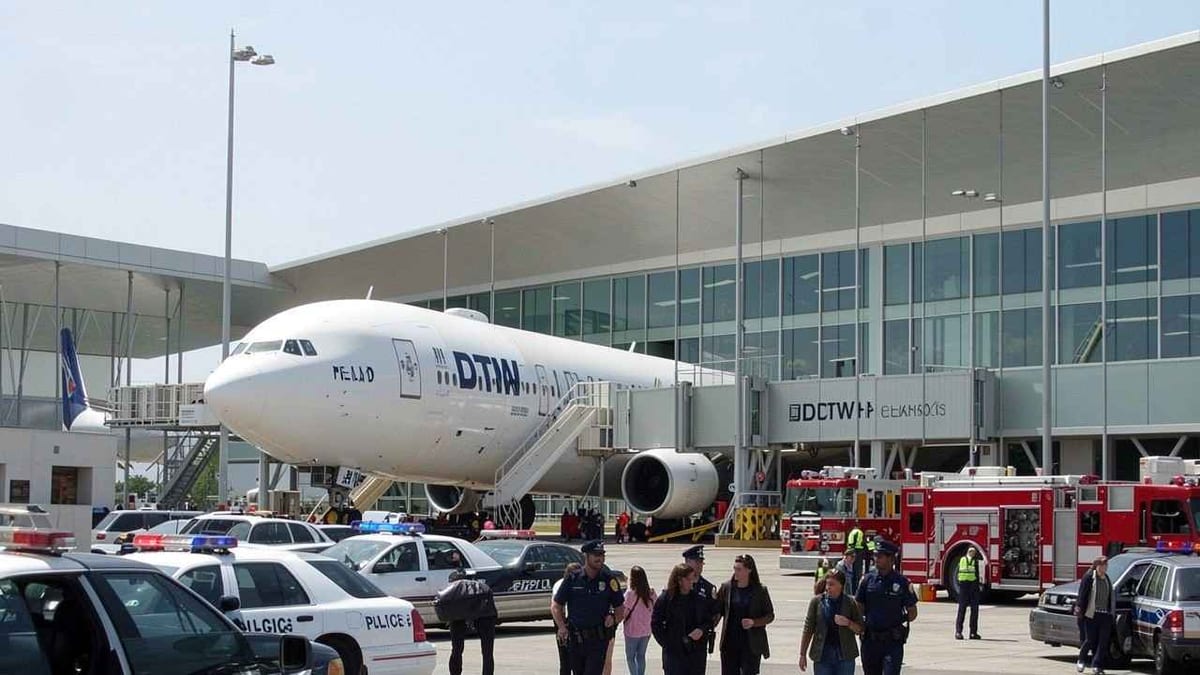
As the flight approached the New York region, tracking data and operational information indicate that the crew followed standard diversion procedures and rerouted the aircraft toward Washington, United States. The diversion was consistent with wider disruptions impacting New York airports on the same date, where thunderstorms and congestion triggered delays, cancellations, and airborne holding for many carriers.
Reports show that the aircraft landed safely in the Washington area, where passengers disembarked or remained on board while ground staff and operations teams worked through the next steps for onward travel. Diversions of this type are considered a precautionary measure that prioritizes fuel planning, weather avoidance, and air traffic control instructions.
Initial indications do not point to an onboard technical emergency or safety event with the 737-900 itself. Instead, UA2629 appears to have been caught in a larger pattern of route and arrival adjustments driven by conditions around New York and the surrounding airspace.
Weather And Airspace Pressures In The Northeast
Publicly available advisories and airline communications for early August highlight a series of thunderstorm systems affecting both Florida and the Mid-Atlantic to New York region. Travel waivers for Orlando and New York around this period referenced heavy rain, low visibility, and convective activity that can quickly reduce available arrival and departure capacity at major hubs.
When thunderstorms form along approach and departure paths into New York area airports, air traffic managers often impose flow restrictions. These can include longer routing, ground delay programs, and in some cases holding patterns for aircraft already in the air. If these measures tighten further, crews may decide that diverting to an alternate airport is safer and more predictable than continuing to circle or risk fuel margins.
Washington-area airports frequently serve as alternates for flights bound to New York because they are close enough to accommodate rebooking while remaining outside some of the most constrained airspace. In the case of UA2629, routing the flight into Washington allowed the airline to bring the aircraft and its passengers onto the ground in stable conditions rather than remaining in extended airborne holding near storms.
Industry data and previous weather events show that such diversions can increase sharply on days when thunderstorms line up along the Interstate 95 corridor. These conditions can affect not only flights to New York but also operations to and from cities like Philadelphia, Baltimore, and Washington.
Impact On Passengers And Follow-Up Arrangements
For travelers on UA2629, the diversion meant an unplanned arrival in Washington instead of the intended New York destination. Once on the ground, passengers typically receive updated information through gate displays, email and app notifications, and announcements regarding rebooking options, meal vouchers, or hotel arrangements where applicable.
In weather-related disruptions, carriers generally focus first on getting passengers safely off the aircraft and then on sorting out onward travel. This can involve placing customers on later flights from the diversion airport to the original destination, arranging bus or rail connections where feasible, or assisting with changes to itineraries so travelers can reach nearby airports.
Publicly available coverage of recent operational days across the United network indicates that some passengers affected by weather diversions and cancellations have faced long waits, limited same-day options, and crowded rebooking lines. At the same time, others have reported successful reroutes arranged via airline apps or customer service channels that avoided overnight stays.
In situations where weather and air traffic control constraints are involved, compensation rules differ by region and carrier policy. Many airlines classify such events as outside their direct control, which can limit eligibility for reimbursement of incidental expenses, while still providing flexibility to change flights without additional fees.
How Diversions Fit Into Airline Safety And Planning
Flight diversions such as that of UA2629 are a routine part of airline operations and are planned for well before every departure. Crews are required to carry enough fuel to reach the intended destination, execute holding patterns if needed, and still divert to a designated alternate airport with safe reserves.
When rapidly changing conditions develop near a destination, dispatch teams and pilots continually reassess fuel, weather, and traffic information. If these assessments suggest that continuing toward the original airport may lead to extended holding or uncertain landing opportunities, diverting becomes the conservative and expected course of action.
Research and historical performance data on United States air travel show that weather is one of the most significant drivers of delays and diversions nationwide. Thunderstorms in particular can trigger cascading effects, where a single blocked arrival corridor forces airlines to re-sequence dozens of flights and reposition aircraft and crews to keep the broader schedule moving.
For passengers, a diversion can be disruptive but is rarely an indicator of an aircraft fault. In most cases, it reflects a cautious response to evolving conditions at busy hubs, combined with efforts to maintain safety margins and regulatory compliance in a dynamic airspace environment.
What Travelers Can Learn From The UA2629 Diversion
The experience of UA2629 illustrates several practical lessons for travelers flying into weather-prone regions such as Florida and the Northeast in summer. One important step is to monitor airline alerts and local forecasts in the days leading up to departure, especially when traveling through hub airports known for congestion.
Booking longer connection times, traveling earlier in the day, and keeping essential items in carry-on luggage can all reduce the impact of unexpected diversions or missed connections. Travelers may also wish to review their carrier’s policies on weather disruptions, including what types of assistance are typically offered and under what circumstances vouchers or hotel support may be provided.
For those who must be in a particular city by a specific time, considering alternative airports in the same region or even departing a day earlier can add a margin of reliability. In the case of flights bound for New York, airports in nearby cities such as Washington or Philadelphia sometimes become part of the journey when weather and air traffic combine to constrain arrivals.
While United flight UA2629’s diversion created an unplanned stop in Washington for those on board, the event also reflects the built-in flexibility of modern airline networks. The ability to divert quickly to a suitable alternate airport remains a central feature of safe commercial aviation, particularly on days when the weather closes in on some of the world’s busiest airspace.