


More news on this day
Air travelers across the United States faced another difficult travel day on June 10, as tracking data showed at least 111 flights cancelled and about 4,815 delayed, with disruptions concentrated at Newark Liberty, Chicago O’Hare and a string of regional airports including Fort Wayne, Madison, Tulsa and Memphis, affecting operations at major carriers such as American, Delta, Frontier, Endeavor and Alaska Airlines.
Get the latest news straight to your inbox!
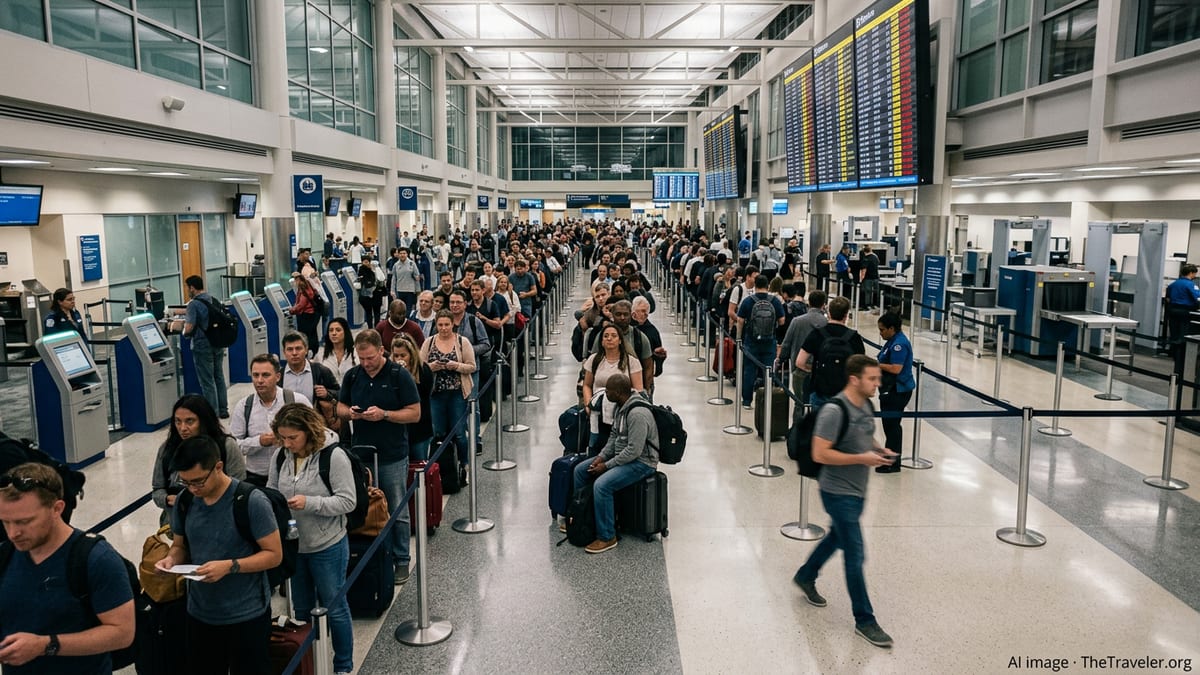
Tracking Data Shows Elevated Disruptions Across the Network
Publicly available flight-tracking information for Wednesday, June 10, indicates that cancellations and delays were once again elevated across the US system, though not at the extreme levels seen during major winter storms. Figures compiled during the afternoon pointed to at least 111 flights cancelled nationwide and roughly 4,815 delayed within, into or out of the country.
The pattern of disruption appears heavily skewed toward delays rather than outright cancellations, suggesting that most flights are still operating but often outside their scheduled time windows. That dynamic can still cause missed connections and extended time on the tarmac or in terminals as departure slots are pushed back.
Compared with earlier severe disruption days in 2026 that saw many hundreds of cancellations paired with more than 7,000 delays, the current totals are lower but remain high enough to affect a broad cross section of travelers. Airports in the Midwest and Northeast, along with a series of smaller regional facilities, are particularly represented in delay logs.
Recent days have already seen multiple rounds of operational strain, and the June 10 numbers add to a growing picture of a summer travel environment in which even routine storms or minor staffing issues can tip daily operations into widespread knock-on delays.
Newark and Chicago Hubs Under Pressure
Newark Liberty International and Chicago O’Hare feature prominently in today’s disruption data, reflecting their roles as critical connecting hubs. Publicly available logs for June 10 list clusters of delayed departures and arrivals from both airports, affecting flights across the domestic network.
At Newark, delays have become a recurring concern in recent months, with the airport’s limited runway capacity and dense schedule leaving little margin when weather or air traffic control programs slow operations. Even modest ground delay programs can quickly ripple through carriers’ schedules, pushing departures later into the day and squeezing turnaround times for inbound aircraft.
Chicago O’Hare, another major hub, shows a similar pattern of knock-on effects. When inbound flights arrive behind schedule, the same aircraft may not be able to depart on time for subsequent segments, creating a chain reaction that spreads to downline cities. Travelers connecting through Chicago and Newark on June 10 reported longer-than-planned layovers and tight connection windows as revised departure times shifted throughout the day.
Hub congestion can also strain airport infrastructure, with gate availability, ramp operations and baggage handling all needing to be adjusted as aircraft and crews fall out of their original slots.
Regional Airports Feel the Impact of Hub Disruptions
Beyond the busiest coastal and Midwestern hubs, today’s disruption pattern extends into smaller airports that rely on a limited number of daily flights to connect passengers to the wider network. Tracking data and schedule information highlight airports such as Fort Wayne in Indiana, Madison in Wisconsin, Tulsa in Oklahoma and Memphis in Tennessee among those experiencing significant delays and scattered cancellations.
In Fort Wayne, regularly scheduled regional services feeding into Chicago and other hubs appear particularly sensitive to upstream delays. When an inbound aircraft arrives late from a major hub, the outbound leg from the regional airport may be delayed, consolidated or, in some cases, cancelled if crews time out or the aircraft is reassigned elsewhere.
Madison and Tulsa show similar vulnerabilities. With only a handful of mainline departures and a reliance on regional partners to connect travelers to larger hubs, each delayed turn can represent a substantial share of the day’s schedule. Memphis, which has transitioned from its historic role as a major connecting hub to a more modest operation, still sees tight schedules where a single cancelled departure can eliminate same-day options on certain routes.
For passengers in these smaller markets, the consequence of a cancellation can be more disruptive than at a large hub, since rebooking options may be limited to later in the day or even the following morning, extending travel times well beyond the original plan.
Major and Regional Carriers Share Operational Strain
The June 10 data show disruptions spread across a wide range of carriers, including large network airlines and their regional affiliates. American Airlines, Delta Air Lines, Frontier Airlines, Endeavor Air and Alaska Airlines all appear among the operators with delayed or cancelled flights, reflecting the interconnected nature of US airline scheduling.
Regional subsidiaries and contract carriers, such as Endeavor and other operators that fly under the brands of the major airlines, are particularly exposed when hubs slow down. Their aircraft and crews often operate high-frequency shuttles on short routes, meaning even short delays early in the day can cascade, propagating through multiple legs as each turnaround takes slightly longer than planned.
Low-cost and ultra-low-cost carriers are not immune either. With denser seating and high aircraft utilization, they typically operate tight schedules with limited spare capacity. When disruptions occur, spare aircraft or crews may not be readily available, stretching recovery timelines and increasing the likelihood of last-minute cancellations late in the day.
For the major carriers, current conditions add to ongoing challenges in balancing robust summer demand with the need to staff adequately for weather-related slowdowns, maintenance requirements and air traffic control constraints across congested corridors.
What Travelers Can Expect and How to Respond
For passengers scheduled to fly on June 10 and into the following days, today’s pattern suggests a heightened risk of delayed departures, especially on routes touching the busiest hubs and smaller regional spokes that feed into them. Even when flights are not cancelled, late arrivals of inbound aircraft may push departures back by an hour or more.
Travel industry guidance consistently recommends that passengers monitor their flight status frequently on days with widespread disruption, as schedules can change multiple times. Early departures tend to be less exposed to cascading delays, while late-evening flights are more vulnerable if the day’s operations have already stretched crews and equipment.
Travelers with tight connections at Newark, Chicago or other hubs may wish to build in additional buffer time where possible, as revised gate assignments and air traffic control programs can lengthen taxi and waiting times. Those departing from smaller airports such as Fort Wayne, Madison, Tulsa or Memphis may face fewer same-day rebooking options if a cancellation occurs.
With summer travel demand remaining strong and multiple days of elevated disruptions already logged in June, the current episode underscores how quickly conditions can change across the US aviation system, even when overall cancellation numbers remain below the peaks associated with major storms or large-scale technical outages.