

More news on this day
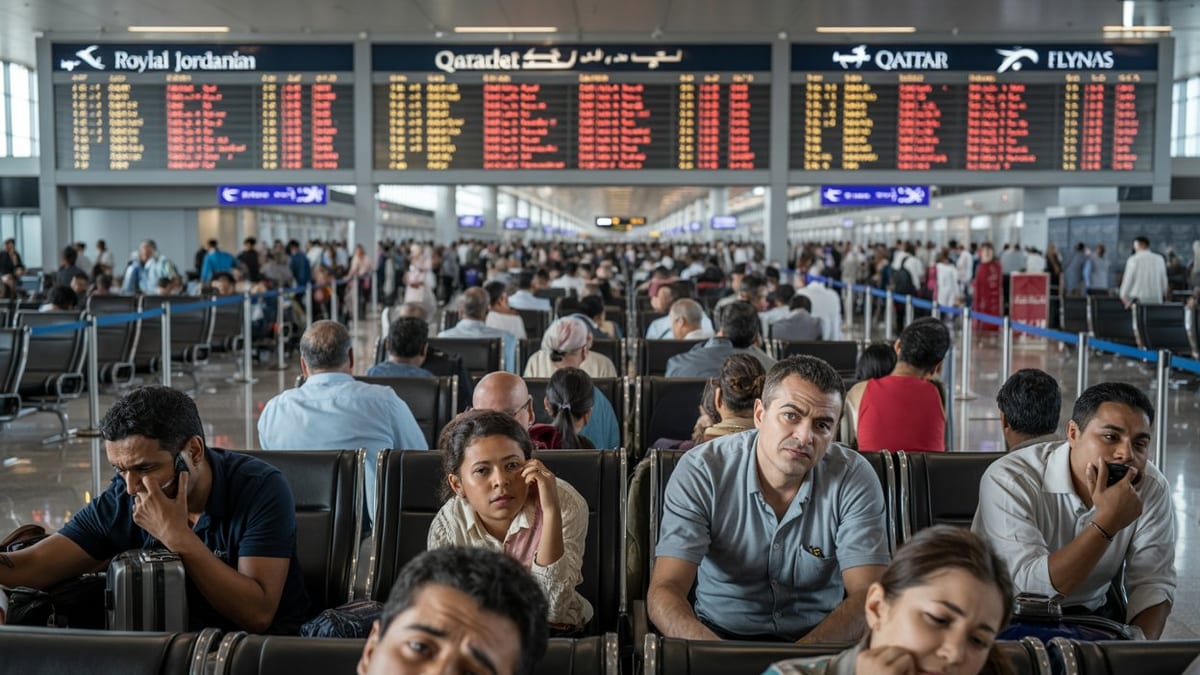
Thousands of travelers across the United States are facing long lines, missed connections, and unexpected overnight stays as major hubs in Atlanta, Chicago, San Francisco, Dallas, New York, and Miami contend with 125 cancellations and 2,161 delays, snarling operations for Delta Air Lines, American Airlines, Southwest Airlines, United Airlines, and other carriers.
Get the latest news straight to your inbox!
Spring Weather and Tight Schedules Expose Network Fragility
Publicly available tracking data indicates that the latest wave of disruption comes on the heels of an already turbulent start to April, with a mix of spring thunderstorms, residual winter weather, and ongoing runway and airspace constraints combining to slow traffic along key corridors. Recent days have seen storms ripple across the Southeast and Midwest, with Miami, Atlanta, Chicago, and New York repeatedly cited among the airports experiencing the most persistent bottlenecks.
Aviation analysts note that many of these hubs are operating near capacity under normal conditions, leaving little margin when storms trigger ground delay programs or temporary ground stops. When a few dozen flights are canceled or significantly delayed in the early morning bank, aircraft and crews quickly fall out of position, creating long knock-on effects that push into the evening peak.
Operational data and prior disruption patterns show that even modest weather systems can now translate into substantial schedule instability when paired with dense banked departures, tight crew-duty limits, and full aircraft. As a result, travelers may feel outsized impacts from what, on radar, can appear as routine seasonal storms.
Atlanta, Chicago, and Dallas Bear the Brunt
Among the hardest hit in the latest round of irregular operations are Atlanta’s Hartsfield Jackson, Chicago O’Hare, and Dallas Fort Worth, three of the country’s most important connecting hubs. These airports function as primary transfer points for Delta Air Lines, American Airlines, and Southwest Airlines, handling tens of thousands of passengers on peak days and routing them onto regional spokes across the country.
Reports indicate that Atlanta and Dallas have each recorded dozens of cancellations alongside several hundred delays in recent disruption cycles, with cascading effects felt across their extensive domestic networks. Flights linking these hubs with New York, Miami, and Chicago are particularly vulnerable, because late arrivals in one city immediately compress turnaround times and reduce flexibility at the next.
In Chicago, a combination of earlier spring storms and lingering winds has repeatedly pushed O’Hare into delay programs, amplifying stress on an airport already known for weather-related bottlenecks. With O’Hare ranking among the nation’s most delay-prone major hubs in several recent analyses, even a relatively small number of cancellations can translate into long queues at rebooking counters and tight competition for the remaining seats.
Coastal Gateways Struggle With Congestion and Weather
On the coasts, New York and San Francisco are also experiencing elevated levels of disruption, while Miami faces intermittent slowdowns linked to thunderstorms and air traffic control restrictions. New York’s trio of major airports operates in some of the most congested airspace in the world, and any combination of low clouds, high winds, or thunderstorms quickly reduces capacity and forces airlines to trim schedules or hold aircraft on the ground.
San Francisco International has long been sensitive to weather and air traffic management constraints, particularly when low clouds or crosswinds affect its closely spaced runways. Past Federal Aviation Administration documentation shows that San Francisco regularly appears among the airports most associated with weather-related flow-management delays, a trend that appears to be continuing into the current travel season.
In Miami, recent storms and lightning in the immediate vicinity of the airfield have led to temporary halts and slow departures, further complicating already busy schedules serving Latin America, the Caribbean, and domestic resort destinations. When lightning or heavy rain forces ramp closures, ground crews must pause refueling and baggage operations, extending turn times and contributing to rolling delays throughout the day.
Major Carriers See Wide-Ranging Operational Impacts
Delta Air Lines, American Airlines, Southwest Airlines, United Airlines, and several smaller carriers are all feeling the strain from the latest wave of delays and cancellations. While the exact distribution of the 125 cancellations and 2,161 delays varies by carrier and airport, public flight-tracking and airline performance data show that the largest network airlines are especially exposed when multiple hubs are affected at once.
For hub-and-spoke operators such as Delta, American, and United, a cancellation or severe delay on a single inbound aircraft can disrupt dozens of onward connecting itineraries. That effect is magnified when storms or ground restrictions hit several of their main bases on the same day, leaving fewer options to reroute customers without significant detours or overnight stops.
Point to point carriers like Southwest are not immune, particularly at airports such as Chicago Midway, Dallas Love Field, and various Florida destinations that are closely tied to the same storm tracks and air traffic control programs. When an aircraft is held on the ground at one airport, it typically ripples through three or four additional legs later in the day, extending the impact beyond the original weather event.
Travelers Confront Long Lines, Missed Connections, and Limited Options
For passengers, the statistics translate into missed weddings and business meetings, unexpected hotel stays, and long waits at customer service desks. With load factors on many domestic routes running high, especially around weekends and school holidays, same day rebooking options can be scarce once a disruption reaches the scale now being reported.
Publicly available guidance from consumer advocates and regulators emphasizes that the reason for a delay or cancellation often determines what assistance travelers can expect. Weather related disruptions typically limit an airline’s obligation to provide accommodation or compensation, even when passengers are stranded overnight, while problems within an airline’s control, such as maintenance issues or crew scheduling, may trigger meal vouchers, hotel support, or refunds on unused tickets.
Recent federal rulemaking efforts and enforcement actions have pushed airlines to clarify their commitments in plain language on customer service dashboards, but observers note that policies still vary significantly between carriers. In practice, passengers affected by the same storm at the same airport may receive very different levels of support, depending on which airline they are flying and whether they are on a domestic or international itinerary.
With further spring storms in the forecast and airport infrastructure projects continuing at several major hubs, operational data suggests that disruption risk will remain elevated through at least the early summer travel period. Travelers planning to connect through Atlanta, Chicago, Dallas, New York, San Francisco, or Miami in the coming weeks are being urged by consumer advocates to monitor flight status closely, allow extra time for connections, and build flexibility into their plans wherever possible.