


More news on this day
The United States continues to classify Afghanistan under its highest Level 4 “Do Not Travel” advisory, with the most recent update in February 2026 underscoring persistent security threats and the absence of U.S. consular services inside the country.
Get the latest news straight to your inbox!
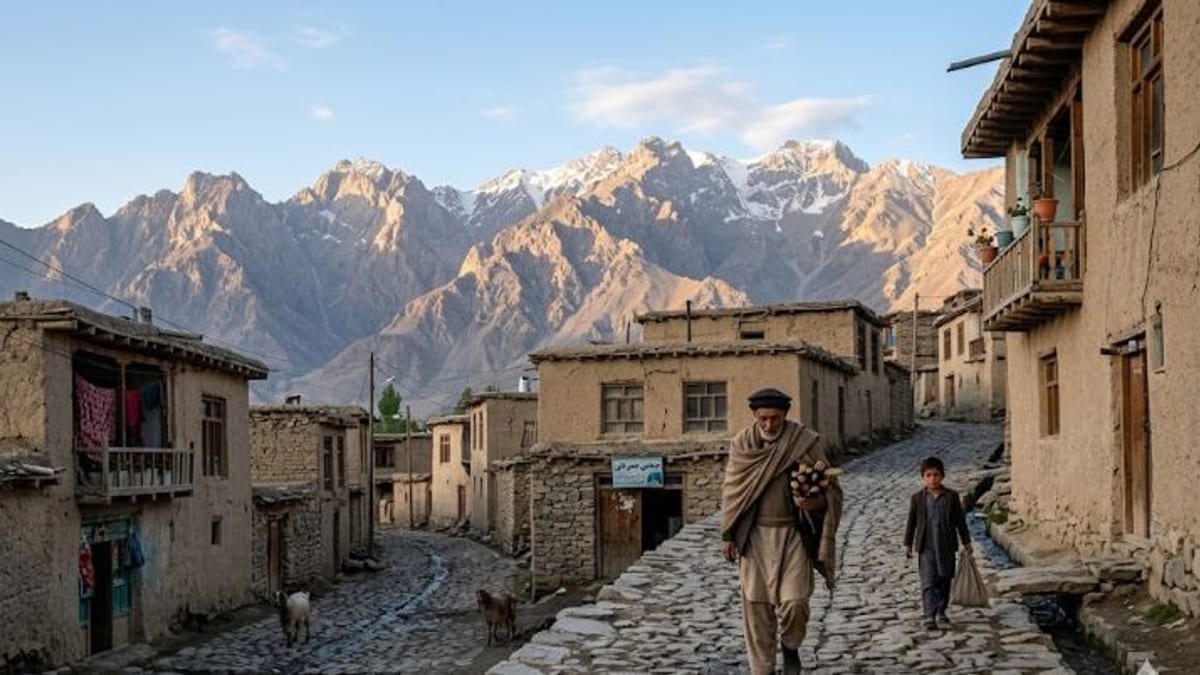
Advisory Updated but Level 4 Status Unchanged
Publicly available information from the U.S. Department of State shows that Afghanistan remains designated Level 4 “Do Not Travel,” the strictest category in the U.S. travel advisory system. The advisory, most recently updated on February 20, 2026, reiterates that conditions are considered too dangerous for leisure or nonessential trips.
According to the official advisory text, the Level 4 designation reflects a combination of armed conflict, civil unrest, crime, terrorism, kidnapping and other severe safety risks. The notice explains that these factors severely limit the ability of any outside government to assist travelers and significantly increase the likelihood that foreigners could be targeted or caught in violence.
The posted travel advisory history indicates that the February 2026 communication did not mark a shift from a lower category, but rather confirmed that the country remains at the highest warning level. The continuity of the rating signals that U.S. authorities see no material improvement in conditions that would justify relaxing guidance for American travelers.
For the travel industry and individual trip planners, the unchanged Level 4 status effectively places Afghanistan outside the realm of mainstream tourism options, with most organized tour operators continuing to exclude the country from their offerings.
Security Environment: Armed Groups and Targeted Violence
Reports from international organizations and global media describe an environment in which multiple armed actors are active, including Taliban forces in control of most of the country and cells linked to Islamic State Khorasan Province. These groups have been associated with bombings, targeted assassinations and attacks on religious and civilian sites in various regions.
Coverage from human rights monitors and news outlets highlights the ongoing risk of roadside bombs, improvised explosive devices and complex attacks in urban centers as well as along key highways. Even areas that may appear relatively calm can experience sudden flare ups of violence, making overland travel particularly unpredictable.
In addition to ideologically motivated attacks, publicly available assessments from security analysts describe an elevated risk of kidnapping and hostage taking. Foreign nationals, journalists, aid workers and individuals perceived as having financial resources are identified as potential targets. Criminal groups may also be involved in abductions for ransom, further complicating the threat landscape for visitors.
These overlapping risks contribute directly to the U.S. government’s conclusion that travel to Afghanistan poses a high likelihood of life threatening danger. The Level 4 advisory warns that U.S. citizens who choose to enter the country despite the guidance may face situations in which no external assistance can reach them in time.
No US Embassy Presence and Severely Limited Assistance
The U.S. Embassy in Kabul suspended operations on August 31, 2021, and information on the State Department’s consular pages confirms that there is currently no diplomatic mission operating inside Afghanistan. The advisory states that the U.S. government cannot provide routine or emergency consular services to U.S. citizens within the country.
Without an embassy or consulate, services that travelers often rely on in crisis, such as emergency passport replacement, in person welfare checks or direct coordination with local authorities, are not available. Public guidance instead directs U.S. citizens outside the country to contact U.S. embassies in neighboring states or to use designated email addresses and phone lines for Afghanistan related inquiries.
The lack of an on the ground presence also complicates any potential evacuation or assisted departure effort for individuals who enter Afghanistan on their own. Advisories emphasize that even in an emergency, security and logistical constraints may make it impossible for the U.S. government to organize safe movements within the country or to border crossing points.
For prospective travelers, including those with family links in Afghanistan, the absence of consular infrastructure significantly raises the stakes of any decision to go. Travel insurance providers may exclude coverage for incidents linked to conflict or terrorism, and some policies specifically reference official advisories when defining exclusions.
Implications for Air Travel and Overland Routes
Since the collapse of the previous government in 2021, direct commercial air links between Afghanistan and Western destinations have remained extremely limited. Most international carriers suspended service, and current connections into Kabul and other cities rely on a small number of regional airlines subject to frequent scheduling and routing changes.
Aviation safety notices published by various governments and airspace regulators reference the heightened risks around Afghan airspace, including concerns about ground fire, limited air traffic control infrastructure and unpredictable security conditions. These assessments can affect overflight permissions, insurance costs for airlines and the viability of sustained commercial service.
Overland travel presents additional challenges. Neighboring countries have periodically tightened border controls, visa requirements and crossing procedures in response to security developments and migration flows. Travelers who attempt to reach Afghanistan by road may encounter abrupt closures, extended processing times or denial of entry, particularly if they lack compelling humanitarian or family reunification reasons.
Given these constraints, many international travel agencies continue to advise clients that reaching Afghanistan for tourism is not realistic. Where movement does occur, it is primarily associated with humanitarian operations, media coverage, diplomatic missions of other states and Afghan citizens returning for personal reasons.
Guidance for US Travelers and Ongoing Monitoring
For U.S. citizens and residents, the State Department advisory encourages individuals to avoid any travel to Afghanistan and to arrange immediate departure if they are already in the country and can leave safely. Publicly available guidance recommends that those who remain despite the warning maintain low profiles, avoid predictable routines and stay alert to rapidly changing local conditions.
Americans who are outside Afghanistan but have urgent reasons to travel are advised to review not only U.S. government information, but also advisories from other countries, coverage from international organizations and updates from commercial security firms. These sources can provide more granular insights into specific cities, regions or routes, although they consistently describe a high risk environment nationwide.
The State Department’s travel advisory pages note that assessments are subject to continual review. Advisory levels may change if security conditions deteriorate further or if there is sustained, independently verified improvement. As of mid November 2026, however, Afghanistan remains at Level 4 “Do Not Travel,” signaling that international tourism and casual visits are unlikely to resume on any significant scale in the near term.
Travelers, airlines and tour operators monitoring developments in the country are therefore working from the assumption that heightened restrictions and severe risk evaluations will persist, shaping both individual decisions and the broader map of global travel options.