


More news on this day
Luxury travel in the United States is experiencing a decisive shift as affluent travelers channel record spending into wellness-focused cruises, high-design spas and experiences that promise indulgence without ignoring climate concerns.
Get the latest news straight to your inbox!
Affluent Americans Drive a New Luxury Spending Wave
Recent reports on the U.S. luxury travel sector indicate that high-end trips are expanding faster than many other premium categories, supported by rising demand from both established wealthy travelers and an emerging group of “aspiring luxury” consumers who selectively trade up for key vacations. Industry research for 2025 and 2026 points to a market increasingly defined by experience-led itineraries, personalized service and high-touch wellness programming rather than traditional status symbols.
Studies from global consultancies and travel analysts suggest that a large majority of luxury travelers now prioritize meaningful experiences over material purchases, reinforcing travel as a preferred outlet for discretionary spending. Analysts note that this trend accelerated after the pandemic-era focus on health and time with loved ones, and has since solidified into a structural change in how affluent Americans allocate their budgets.
Mintel and other market trackers report that roughly two-thirds of U.S. travelers plan to add at least one premium or luxury element to their main vacation, blurring the line between traditional mass-market tourism and the upper tier. This “democratized” luxury surge is boosting demand for upgraded cabins on cruises, spa-inclusive resort packages and bespoke wellness add-ons, even among travelers who do not identify as ultra-wealthy.
At the same time, global forecasts from organizations such as the Global Wellness Institute project wellness tourism to grow at nearly twice the rate of overall tourism, reinforcing why U.S. resorts, cruise lines and tour operators are racing to embed wellness and sustainability into their highest-priced products.
Wellness Spas Become the New Anchor of High-End Resorts
Across the United States, spa and wellness facilities are emerging as the defining amenity for new and renovated luxury hotels. Spa industry forecasts for 2025 from specialist design firms highlight a shift toward immersive wellness environments that blend traditional treatments with sound therapy, energy work and outdoor experiences, often framed as “high-vibration” or longevity-focused retreats.
Recent coverage of Southern California and Southwest U.S. properties describes extensive spa expansions featuring dedicated spaces for sleep optimization, guided breathwork and nervous system recovery, alongside classic hydrotherapy circuits and massage. Reports from outlets such as Forbes and Kiplinger spotlight destinations like Canyon Ranch in Arizona and resort spas in Ojai and coastal California that market comprehensive programs integrating fitness, nutrition and mental wellbeing into multi-day stays.
Rankings of the top American spas for 2025, published by spa-focused media, underline how wellness has become a competitive differentiator. Many of the most in-demand properties are not just day spas but full-service resorts where spa access, personalized treatment plans and wellness consultations are central to the guest experience. Industry observers note that for these travelers, a spa is no longer an add-on; it is the organizing principle of the trip.
Design trends are moving in the same direction. New U.S. openings such as urban wellness hotels in cities like Portland are reported to combine biophilic interiors, thermal experiences and low-impact building practices. Developers and architects describe wellness and sustainability as intertwined aims, using energy-efficient systems, water-saving features and natural materials to attract health-conscious, environmentally aware luxury guests.
Cruise Lines Pair High-Touch Spas With Cleaner Technology
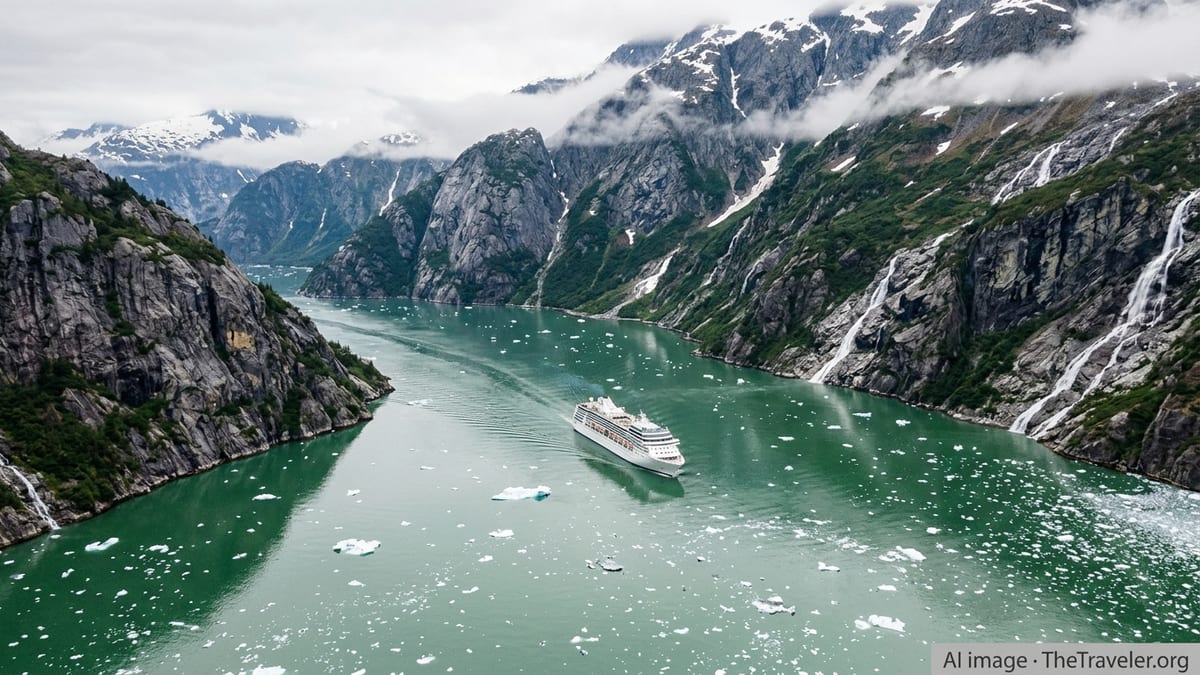
In ocean cruising, a segment traditionally criticized for its environmental footprint, a new generation of ships is being marketed as both more luxurious and more sustainable. Large operators serving the U.S. market have introduced vessels powered partly by liquefied natural gas and advanced battery systems, aiming to cut emissions at sea and, in some cases, operate with zero local emissions while in port.
Industry coverage of newbuilds such as Silver Nova and Sphere-class ships for major cruise brands highlights spa and wellness decks as marquee attractions. These ships feature expansive thermal suites, thalassotherapy pools and suites with in-room wellness technology, presented alongside claims about reduced fuel consumption and upgraded waste and water treatment systems. Marketing materials increasingly position time in the spa or on a private wellness terrace as the reward for choosing a lower-impact itinerary.
Analysts note that this approach reflects a broader pivot in luxury cruising away from overt displays of excess toward what some travel consultants describe as “quiet luxury,” focused on space, calm and wellbeing. Guests booking top-tier suites are being offered personalized wellness plans, plant-forward tasting menus and small-group shore excursions framed as nature- or culture-positive, often paired with information on the ship’s environmental initiatives.
While critics argue that cruise emissions remain significant, market reports show a measurable shift in traveler expectations. Surveys of affluent guests cited by consultancies and travel networks suggest that many are prepared to pay more for voyages that offer verifiable efficiency gains, reduced single-use plastics and credible sustainability certifications alongside high-end amenities.
Sustainability Becomes a Status Symbol for High-End Travelers
Across segments, sustainability is moving from a niche concern to a marker of status in the luxury tier. Research synthesized in recent reports from consultancies, hotel groups and global travel networks indicates that a majority of affluent travelers now factor environmental practices into their choice of operator, with a sizable minority willing to pay double-digit premiums for clearly sustainable options.
Affluent travel trend studies for 2025 report that roughly four in ten luxury travelers are prepared to spend substantially more for properties and itineraries with documented sustainability features, including renewable energy use, certified building standards and measurable conservation programs. Analysts characterize this as a reputational shift in which visibly greener travel is associated with being informed and forward-looking, rather than with sacrifice.
In the U.S. hotel and spa sector, this has encouraged a wave of investment in behind-the-scenes technology. Publicly available information from developers and operators describes projects that emphasize advanced water filtration, heat recovery systems for spa facilities and partnerships with local farms and wellness practitioners. In marketing materials, these operational details are increasingly placed alongside images of treatment rooms and infinity pools, signaling that environmental performance is part of the luxury offer.
Consultants tracking the sector suggest that regulatory pressure and investor scrutiny are also playing roles, but note that guest demand is now a primary driver. With wellness tourism revenues projected to keep expanding, operators that can combine lower-impact design with restorative experiences appear best positioned to capture repeat business from environmentally aware U.S. travelers.
From “See and Be Seen” to “Disappear and Reset”
Alongside cruises and spas, consumer research and online travel communities point to an attitudinal shift among high-end American travelers. Commentators describe a split between social media driven “see and be seen” luxury and a quieter camp seeking privacy, rest and digital detox. The latter group is fueling demand for secluded wellness retreats, small-ship or yacht-style cruising and shoulder-season itineraries that avoid peak crowds.
Data released in March 2026 on affluent U.S. travelers’ booking patterns indicates a clear move away from Europe’s busiest summer weeks, with a growing preference for less congested periods and destinations. Travel analysts interpret this “intentional seasonality” as part practical crowd avoidance and part wellbeing strategy, as travelers seek experiences that feel restorative rather than exhausting.
Reports on ultra-luxury travel in 2025 also highlight a rising interest in slow travel, extended stays and multi-generational wellness trips that combine adventure with recovery time. Instead of fast-paced, multi-country tours, more itineraries now focus on one region or even a single property that offers comprehensive spa, fitness and nature-based programming.
Industry observers say this evolving mindset is reshaping what counts as high-end. In place of overt glamour, many U.S. travelers are now looking for quiet rooms, high-quality sleep, access to nature and evidence that their chosen cruise or spa resort is minimizing its environmental impact. As this cohort continues to grow, the luxury segment is being redefined around health, time and climate-aware comfort as much as around traditional five-star trappings.