


More news on this day
Uzbekistan has rapidly become the standout growth market for Kyrgyzstan’s tourism industry, with recent statistics showing Uzbek travelers now far outnumber visitors from Russia, Western Europe, China and Gulf states in the country’s expanding organised travel sector.
Get the latest news straight to your inbox!
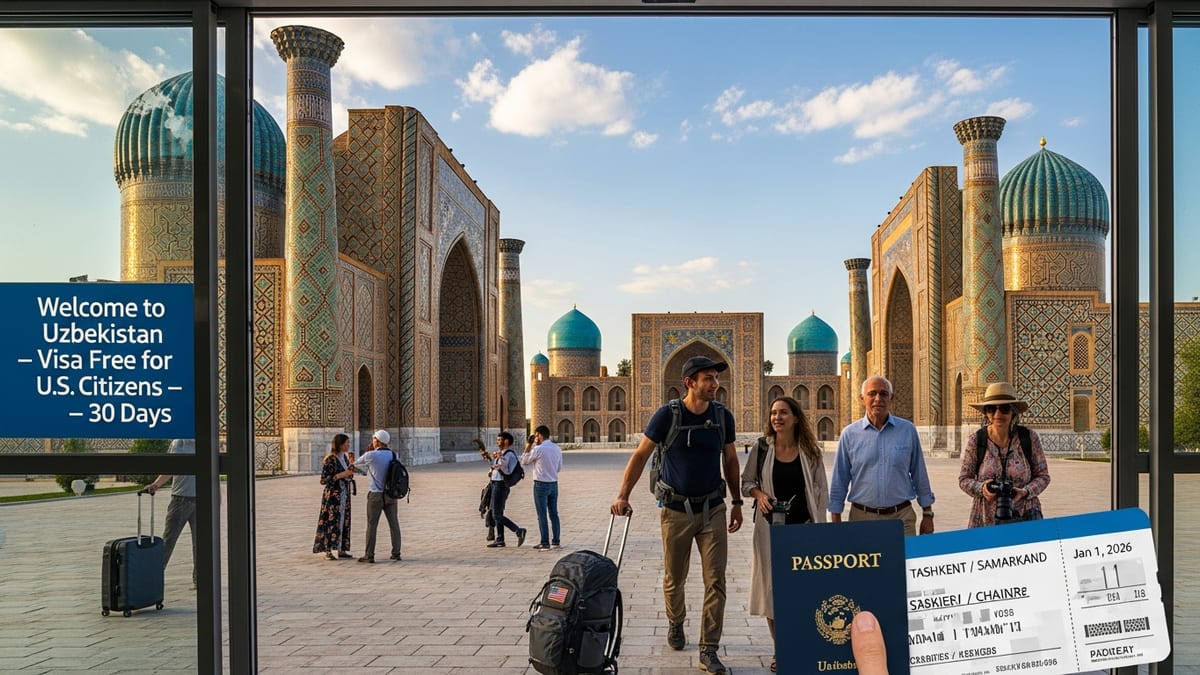
Uzbek Visitors Dominate Kyrgyzstan’s Incoming Tourist Mix
Publicly available figures from Kyrgyz and regional statistical agencies indicate a sharp rise in arrivals from Uzbekistan over the past two years, coinciding with a broader rebound in Central Asian tourism. Data compiled by local business media in Bishkek reports that in the first five months of 2024 alone, close to 1 million visitors from Uzbekistan crossed into Kyrgyzstan, a volume that places the neighbouring state well ahead of traditional source markets such as Russia, China and Western Europe.
By comparison, overall tourist arrivals to Kyrgyzstan grew by about 14 to 15 percent in 2024 versus 2023, according to national statistics office releases, underlining that the surge from Uzbekistan is not merely tracking the general recovery but outpacing it. Tourism-focused outlets covering the region note that while Russian, Kazakh, European and Gulf visitors remain important, none has matched the recent acceleration seen in the Uzbek market.
Analysts following Central Asian mobility trends point out that shared language, simplified border procedures and increased cross-border transport options have helped turn Uzbekistan into Kyrgyzstan’s single most dynamic source of visitors. This shift is increasingly visible in key destinations such as Issyk-Kul, Osh and Bishkek, where summer occupancy and tour departures are now heavily driven by Uzbek group bookings.
Organised Tourism Surges as Package Tours Take Hold
Alongside headline arrival numbers, Kyrgyzstan’s organised tourism sector has recorded some of the most striking changes. Official tourism statistics for 2023 already showed guests using organised accommodation and tour services growing around one and a half times year on year, reaching close to 1.8 million travellers in structured tourism activities. Industry observers say Uzbek travellers are now a major contributor to this segment.
Regional tour operators report a sharp increase in Uzbek residents booking multi-day packages in Kyrgyzstan, often combining homestays, guesthouse networks and transport with guided excursions in the mountains. Many of these products are marketed through Uzbek-based agencies that package Kyrgyzstan as a cool-climate summer escape, frequently in combination with cultural stops in Tashkent, Samarkand or Fergana.
Travel agencies specialising in Central Asia have expanded their catalogue of joint itineraries that cross between Uzbekistan and Kyrgyzstan, positioning the two countries as complementary destinations. Sample programmes marketed for 2026 and 2027 link historic Silk Road cities in Uzbekistan with trekking, lakeside resorts and yurt stays in Kyrgyzstan, all sold as a single organised journey with coordinated transfers and handovers at land borders.
Policy Alignment and Infrastructure Drive Cross-Border Growth
According to published coverage of recent tourism meetings between Tashkent and Bishkek, both governments have identified mutual tourism flows as a strategic area for cooperation. Earlier dialogues focused on sending Kyrgyz holidaymakers to Uzbekistan’s heritage cities, but more recent discussions highlight the reverse trend as Uzbek demand for Kyrgyz nature and adventure products accelerates.
Transport and visa reforms in Uzbekistan over the past decade have created a sizeable cohort of residents accustomed to international travel. National statistics indicate that outbound tourism from Uzbekistan has more than doubled since the mid-2010s, with millions of citizens now travelling abroad each year. Kyrgyzstan, accessible overland and sharing cultural and linguistic affinities, has emerged as one of the most convenient and cost-effective destinations for these newly mobile travellers.
Improved road corridors, expanded seasonal bus services and the growth of regional low-cost carriers have further lowered barriers to organised travel. Tour operators say that these logistics upgrades make it easier to design reliable group itineraries, ensuring that buses, guides and accommodation providers on both sides of the border can coordinate timing and capacity through the peak summer season.
Central Asia’s Organized Travel Market Shifts Toward Regional Hubs
The dominance of Uzbek visitors in Kyrgyzstan’s recent tourism statistics reflects a broader rebalancing in Central Asia’s travel flows. While Russia, Germany, the United States, China, Kazakhstan and Gulf countries such as the United Arab Emirates remain important in terms of higher-spend and long-haul segments, their absolute visitor numbers are increasingly outstripped by short-haul regional markets led by Uzbekistan.
Comparative studies of inbound tourism across Central Asia show Uzbekistan already acting as a major generator of outbound trips to neighbouring states, supported by its large population and growing middle class. Kyrgyzstan, with its established reputation among independent travellers and trek-focused agencies, appears to be one of the main beneficiaries of this trend in the organised tour segment.
Industry commentators note that this pattern aligns with global tourism shifts in which regional source markets, rather than distant long-haul origin countries, are driving the bulk of post-pandemic recovery. In Kyrgyzstan, the rapid rise of Uzbek group tours is reshaping seasonality, product design and marketing, encouraging local operators to tailor offerings to repeat regional visitors rather than only to first-time European or North American guests.
Opportunities and Pressures for Kyrgyz Tourism Stakeholders
The surge in organised arrivals from Uzbekistan presents clear commercial opportunities for Kyrgyz tour operators, hoteliers and transport providers. Rising demand supports investment in larger vehicle fleets, expanded guesthouse capacity and professional guiding services, particularly around Issyk-Kul, Osh, Karakol and the highland jailoo pastures popular for summer stays.
At the same time, the speed of growth raises familiar challenges. Destination managers and local communities must balance volume with environmental protection in fragile mountain ecosystems, while ensuring that increased visitor traffic translates into broad-based local income. Industry groups are already debating how best to manage peak-season congestion at border points and popular beaches and trekking routes while preserving the laid-back appeal that initially drew many visitors.
For now, publicly available data makes one trend clear: Uzbekistan has overtaken a range of larger and historically dominant markets in driving fresh momentum for Kyrgyzstan’s tourism economy, particularly in the organised travel sector. As cross-border cooperation deepens and new multi-country itineraries come online, regional observers expect the Uzbek footprint in Kyrgyzstan’s visitor statistics to grow even more prominent over the coming seasons.