

More news on this day
Victory Cruise Lines is accelerating its comeback with a raft of ship upgrades, fresh Great Lakes ports and expanded itineraries that, according to publicly available information, are designed to make 2027 a breakout year for the small-ship brand.
Get the latest news straight to your inbox!
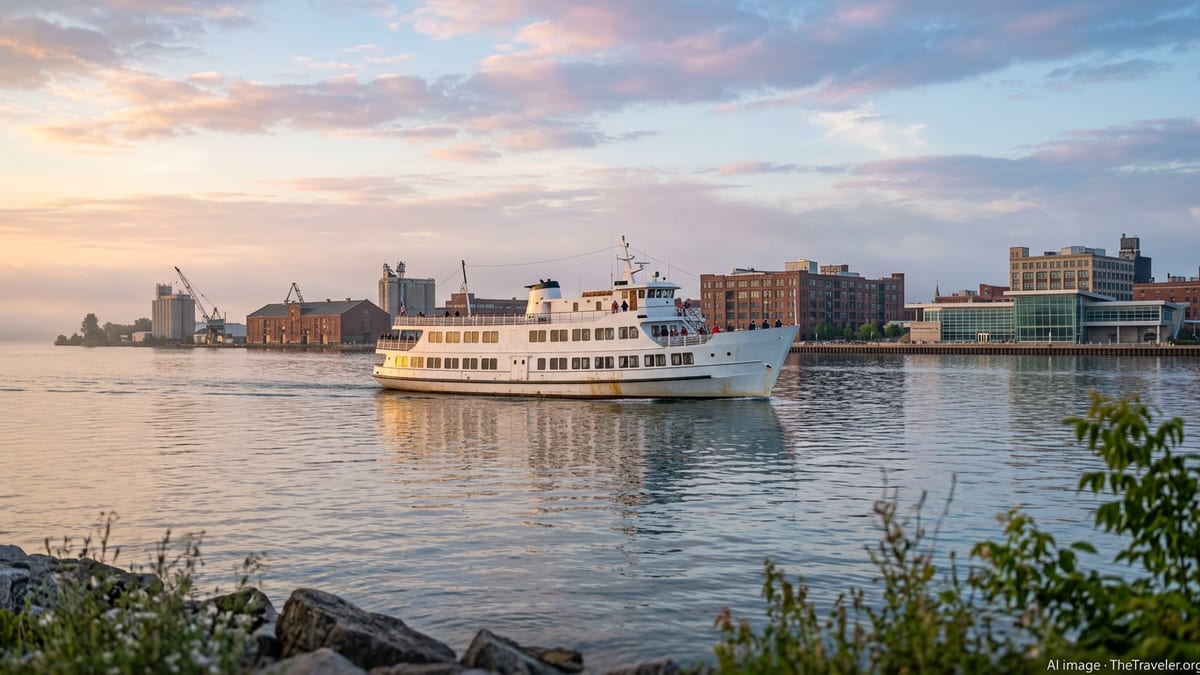
Relaunched Brand Targets 2027 as Landmark Season
Victory Cruise Lines, a legacy name in small-ship coastal and Great Lakes cruising, is being steadily rebuilt after its separation from the now-defunct American Queen Voyages. Reports indicate that the revived line is positioning 2027 as a pivotal season, using the next two years to refurbish vessels, expand shore programming and deepen relationships with port cities around the Great Lakes.
Industry coverage shows that Victory I and Victory II, the 202-passenger sister ships at the heart of the fleet, have returned to their original branding after operating for several years under different names within American Queen Voyages. Recent voyages on the Great Lakes are serving as a proving ground for new service standards, onboard programming and destination experiences that are expected to be fully matured by the 2027 season.
Public material from the company and distribution partners suggests that Victory is leaning into its strengths: intimate ships, slower travel and access to smaller ports that larger oceangoing vessels cannot reach. The 2027 program is being framed as a culmination of that strategy, with itineraries that knit together U.S. and Canadian lake ports, heritage towns and lesser-known waterfront communities.
Ship Upgrades Focus on Comfort, Culinary and Enrichment
While the line has not promoted a radical hardware overhaul, available descriptions of the refreshed Victory I and Victory II point to targeted upgrades aimed at elevating comfort rather than transforming the ships’ core character. Staterooms and suites are being updated with contemporary soft goods and technology, while public spaces are seeing refreshed furnishings and décor intended to highlight views of the passing shoreline.
Culinary offerings are another focus area. Cruise industry coverage notes that Victory’s relaunch emphasizes regionally inspired menus and more flexible dining, reflecting broader trends across the small-ship sector. By 2027, the line is expected to have fully rolled out seasonal, locality-driven dishes that showcase Great Lakes fisheries, regional produce and North American craft beverages, positioning food as a central part of the onboard experience.
Enrichment programming is also being refined ahead of the 2027 season. Reports on current sailings reference onboard historians and naturalists who interpret maritime history, industrial heritage and the ecology of the Great Lakes. Victory appears to be using these early seasons to test lectures, guided deck talks and interactive workshops, with the goal of offering a more cohesive enrichment lineup by 2027 that appeals to culturally curious travelers.
New Great Lakes and Canadian Ports Take Center Stage
A key pillar of Victory Cruise Lines’ 2027 strategy is deeper integration with Great Lakes ports that have recently invested in welcoming small cruise ships. Publicly available information from regional authorities and local media highlights the line’s intention to strengthen its presence along the U.S. and Canadian shorelines, using its size to access downtown-adjacent docks and compact harbors.
In western New York, for example, state officials have announced that Victory has committed in writing to include Buffalo on its cruise itineraries starting in 2027 and beyond. The plan aligns with broader redevelopment of the city’s waterfront and signals a long-term relationship between the cruise line and the Lake Erie port, with expectations of repeat calls across multiple seasons.
Other Great Lakes communities, including mid-sized industrial ports and smaller cultural hubs, are also seeing growing cruise interest. Local coverage from cities such as Toledo describes early test calls and shore excursions that include museum visits and regional history tours. These pilot visits in 2025 and 2026 are expected to inform the final shape of Victory’s 2027 schedules, with additional departures projected and more structured tour offerings under development.
Itinerary Design Prioritizes Immersion Over Volume
Victory’s evolving deployment plan suggests that the line is eschewing rapid expansion in favor of curated, longer itineraries that allow more time in port. Commentary from cruise industry figures connected with the relaunch has pointed to a strategic focus on carrying around 200 to 250 guests per sailing, a scale viewed as optimal for balancing operating costs with the personalized service that small-ship travelers expect.
The 2027 program is expected to build on this model, offering voyages that string together a mix of major cities and smaller communities within the same sailing. Rather than fast-paced, port-a-day schedules, Victory is emphasizing relaxed pacing, extended stays and occasional overnight calls where infrastructure allows. This structure supports shore experiences that go beyond panoramic city tours, such as in-depth museum visits, regional culinary tastings and nature excursions tied to the unique geography of the Great Lakes basin.
Travel trade partners already selling the revived brand describe packages that pair cruises with pre- and post-sailing land programs, pointing to a broader push to position the 2027 offering as a complete destination experience. By combining the convenience of small-ship cruising with curated hotel stays and overland touring, Victory aims to appeal to travelers seeking an alternative to both mega-ship voyages and traditional coach tours.
Competitive Context in a Shifting North American Cruise Market
Victory’s 2027 ambitions unfold against a backdrop of rapid change in the North American cruise landscape. The collapse of American Queen Voyages in early 2024 reshaped the U.S. river and Great Lakes segments, freeing up vessels, crew and market share. Other domestic operators have since expanded their own regional programs through 2027, adding pressure on Victory to differentiate its product through service style and itinerary design rather than scale alone.
At the same time, multinational ocean lines are adding or adjusting 2027 deployments in Alaska, the Caribbean and Europe, attracting many North American travelers who might otherwise have opted for closer-to-home sailings. This environment places a premium on distinct positioning. Victory’s focus on heritage towns, industrial waterfronts and freshwater cruising offers a markedly different proposition from Caribbean resort-style voyages, one that relies on a niche audience willing to trade marquee beach destinations for history and culture.
For port cities across the Great Lakes, Victory’s long-term commitment to calls from 2027 onward carries significance beyond tourism revenue. Municipal leaders and regional development agencies are treating cruise visits as part of broader waterfront revitalization efforts, with new docking facilities, interpretive centers and public spaces timed around growing seasonal ship traffic. As ship upgrades come online and itineraries are finalized, Victory Cruise Lines’ 2027 season is emerging as a focal point in the evolving story of Great Lakes cruising and the wider small-ship industry.