


More news on this day
Morning commuters on the Bay Area Rapid Transit system faced significant delays after Walnut Creek station was briefly closed due to a reported medical emergency, disrupting service along one of the East Bay’s busiest corridors.
Get the latest news straight to your inbox!
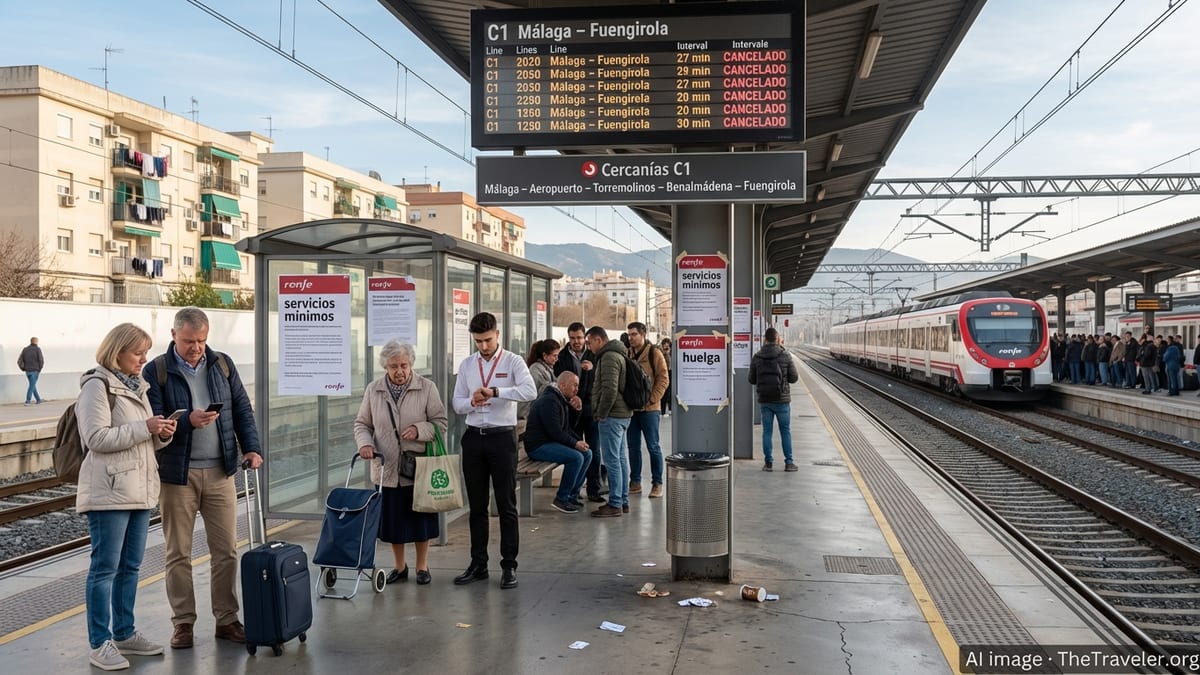
Service Halt at Key East Bay Transit Hub
Reports from riders and transit alert channels on Monday indicate that Walnut Creek BART station was temporarily closed while crews responded to a medical situation on site. Trains traveling on the Antioch–San Francisco / SFO line experienced delays as service was held in both directions shortly after the incident was reported.
Publicly available information shows that trains approaching Walnut Creek were stopped or slowed, with some services instructed to hold at adjacent stations. Passengers on board described trains remaining in place outside stations or being turned back as BART personnel addressed the emergency.
Walnut Creek is a major intermediate stop on the Concord corridor, connecting East Bay suburbs with Oakland and San Francisco. Any disruption at the station tends to ripple across the wider network, particularly during peak travel periods when trains already operate under heavy demand.
While detailed timelines have not been formally published, rider reports suggest that the closure and associated delays extended long enough to affect a significant portion of the morning commute, prompting rerouting and last-minute changes to travel plans.
Impact on Commuters and Regional Travel
The unplanned shutdown at Walnut Creek added to what some riders described as a difficult Monday for regional transit, with delays compounding as trains stacked up along the line. Passengers attempting to reach downtown Oakland and San Francisco reported extended journey times and crowded platforms at neighboring stations.
Many commuters turned to social media and community forums to share updates, compare experiences, and seek alternatives. Some riders indicated that they chose to disembark at preceding stations to look for rideshares or buses rather than remain on delayed trains with uncertain arrival times.
Travel disruptions at Walnut Creek carry an outsized effect because the station serves as a regional hub for surrounding employment centers, shopping districts, and park-and-ride users. For workers who rely on timed transfers or strict on-site shift schedules, even a short-term closure can lead to missed connections and late arrivals.
The incident also intersected with broader concerns among riders about the reliability of weekday service. Recent discussions in community forums have highlighted how medical and safety emergencies, while relatively infrequent, can quickly cascade into extensive disruptions on a network that moves hundreds of thousands of people per day.
What a “Major Medical Emergency” Means for BART Operations
Published coverage and rider education materials from previous incidents on the system indicate that a “medical emergency” can involve situations ranging from sudden illness on a train or platform to more severe events that require fire, medical, or law-enforcement response. In such cases, standard rail operations are often suspended in the immediate area while responders secure the scene.
When an incident occurs on or near the tracks or platform edge, protocols typically require that power be cut to certain sections and that trains be kept at a safe distance. This can result in a full station closure, as is understood to have occurred at Walnut Creek, until responders confirm that it is safe to resume movements through the area.
Experience from earlier disruptions at other stations shows that these safety procedures, while disruptive, are treated as non-negotiable once a serious medical event has been reported. Trains may be turned back, held in tunnels, or rerouted where crossovers and track configurations allow, but service is not restored through the affected station until all clearance steps are complete.
In practice, this means that riders often experience a period of limited or no information on board trains while system controllers coordinate with emergency responders. Communication can improve once the nature of the disruption is better understood, but in the critical early minutes the focus remains on the incident scene itself.
Patterns of Disruption and Rider Concerns
Recent months have seen a number of morning and evening peak-period interruptions linked to medical or safety events across the BART network, according to publicly available discussions and summaries of service problems. While each incident is distinct, riders have increasingly expressed concern that they are encountering such disruptions more frequently.
Community commentary around previous closures at stations like West Oakland and Fruitvale points to a growing sense that the system can feel fragile, with a single incident sometimes leading to extended delays over a wide area. In these conversations, riders often call for clearer communication, faster service restoration, and investments that might limit how far delays propagate.
Transit advocates have noted that BART, like many large rail systems, must balance customer expectations for reliability with strict safety rules designed to protect riders and staff. When medical emergencies occur, those safety requirements can sharply limit the options available to dispatchers and field personnel, even when the passenger impacts are substantial.
Discussions have also touched on ideas such as platform edge barriers, enhanced surveillance, and expanded staff presence at busy stations. While these measures are debated in terms of cost and feasibility, they are often raised after serious service disruptions that highlight how central stations like Walnut Creek are to the region’s daily mobility.
Next Steps for Riders and the System
By later in the morning, rider accounts indicated that trains were moving again through Walnut Creek, with delays gradually easing as the system returned to regular operations. Even after service resumes, however, it can take multiple train cycles for headways and crowding levels to normalize.
Travelers affected by the incident are likely to review their options for future commutes, including earlier departures, backup bus routes, or carpool and rideshare arrangements. Some may continue to rely on real-time alerts and rider-generated updates, which have become a common tool for navigating unexpected transit problems.
From a planning perspective, incidents such as the Walnut Creek closure feed into a broader discussion about resilience and redundancy on the Bay Area’s primary rail network. As agencies evaluate long-term capital and safety investments, the operational lessons from each major disruption, including medical emergencies, form part of the case for upgrades and procedural refinements.
For now, the Walnut Creek medical emergency stands as another reminder that even a short-term closure at a key hub can quickly reshape a morning for thousands of riders, underscoring both the importance of the station and the challenges of maintaining seamless service on a complex regional system.