


More news on this day
Windstar Cruises is charting a larger course across Asia for the 2028–2029 cruise season, building on its small-ship model with longer itineraries that connect Japan and Southeast Asia and tap growing demand for boutique voyages in the region.
Get the latest news straight to your inbox!
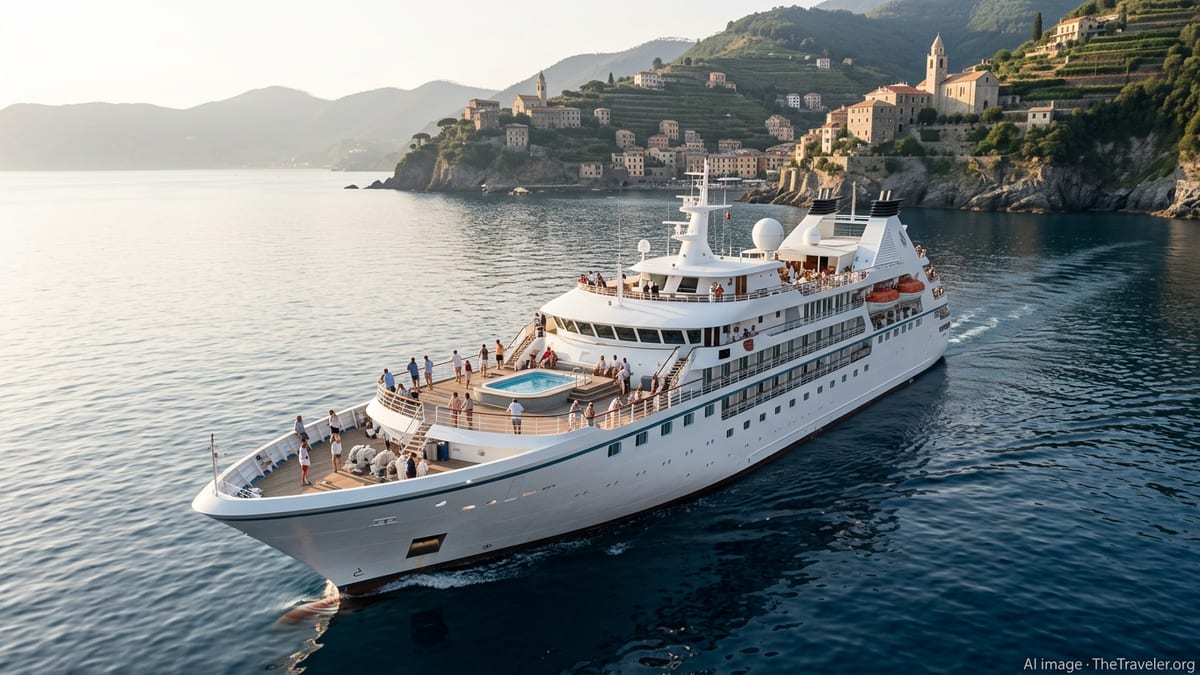
New Asia program built around Star Seeker
Publicly available itinerary information indicates that Windstar’s forthcoming yacht Star Seeker will anchor an expanded Asia program toward the end of the decade, with deployments stretching into late 2028 and early 2029. The 112-suite ship, scheduled to join the fleet in December 2025, is being positioned for Grand Japan sailings and Southeast Asia routes that emphasize port-intensive schedules and longer regional combinations.
Travel trade listings for 2028 already show Star Seeker operating multiweek voyages between Japan and Southeast Asia, including a 31-night Star Collector cruise that links southern Japan with destinations such as Ho Chi Minh City and Bangkok. These extended itineraries are marketed as in-depth explorations, offering more time in port and opportunities for overland tours to cultural landmarks.
Industry coverage of Windstar’s broader deployment through winter 2027–2028 highlights Asia as one of the fastest-growing regions in the company’s schedule, alongside Tahiti, Latin America and the Canary Islands. The pattern suggests that by 2028–2029, Asia will account for a significantly larger share of the line’s small-ship capacity than in previous years.
For travelers, the expansion translates into more options to cruise Asia outside the traditional peak spring and autumn windows, with itineraries that weave together Japan, Vietnam, Thailand and other Southeast Asian nations into longer seasonal arcs.
Collector voyages link Japan and Southeast Asia
Windstar has been leaning into what it calls Star Collector voyages, longer combinations of individual sailings that allow guests to remain aboard for several weeks and explore a region in more depth. In Asia, published schedules for 2028 showcase such collector itineraries as key pillars of the expanded offering.
One example circulating through cruise distribution channels is a roughly month-long journey beginning in Osaka and tracing the coastlines of southern Japan before turning south through East and Southeast Asia. These sailings emphasize smaller ports and overnight stays, reflecting Windstar’s strategy of using its yacht-sized ships to access destinations that larger vessels typically bypass.
The collector format is particularly suited to Asia’s geography, where dense clusters of islands and coastal cities can be combined into complex routes without excessive sea days. For the 2028–2029 season, the approach allows Windstar to thread together Japan’s cultural centers with Mekong-region cities and beach destinations in a single continuous voyage.
Travel industry analysts note that longer itineraries of 20 to more than 30 nights have gained traction among experienced cruisers, especially in markets such as Asia where air travel distances are significant. Windstar’s choice to highlight these collector voyages in its Asia deployment underscores the line’s focus on repeat and higher-spend guests looking for slower-paced, immersive travel.
Growing competition in Asia’s small-ship segment
Windstar’s build-up in Asia comes as the region attracts new capacity from a range of cruise brands through the late 2020s. Large-ship operators have already announced long-term commitments to homeport vessels in key hubs such as Singapore and Tokyo, while luxury and yacht-style lines are unveiling extended Asia seasons of their own.
Industry reports over the past year show premium and luxury operators adding itineraries across Japan, Southeast Asia and greater China for the 2026–2028 window, with some brands planning year-round or near year-round deployment. Against that backdrop, Windstar’s emphasis on small-ship access, fewer than 350 guests per vessel and port-intensive itineraries positions the company in a niche segment of the regional market.
Observers note that Asia’s cruise landscape is evolving rapidly after a period of uneven recovery, with ports expanding infrastructure and governments promoting cruise tourism as part of broader tourism strategies. The 2028–2029 timeframe is expected to see a wider range of products, from family-focused megaships to boutique yachts, competing for passengers in Japan, Vietnam, Thailand and beyond.
For Windstar, the Asia expansion aligns with its broader investment in upgraded and new vessels and follows a pattern of moving into regions where smaller ships can differentiate on access and experience rather than sheer onboard scale. The 2028–2029 Asia program is shaping up as a test of how strongly that proposition resonates with travelers in the world’s fastest-growing cruise theater.
Itinerary trends: culture-rich ports and overland experiences
Details emerging from booking platforms and trade reports point to a clear theming of Windstar’s Asia cruises around culture-forward ports and layered shore experiences. Sample 2028 itineraries combine classic urban calls such as Osaka, Tokyo, Singapore and Ho Chi Minh City with smaller harbors and island stops selected for historic sites, local markets and access to inland attractions.
Some of the longer collector sailings in late 2028 incorporate optional overland segments, such as multi-day tours to temple complexes, UNESCO-listed old towns or scenic countryside regions, before rejoining the ship at a subsequent port. This format mirrors approaches Windstar has adopted in other parts of the world, where cruise tours extend the reach of a voyage without requiring a separate land vacation.
Port schedules also hint at an increase in overnight or late-evening stays in marquee cities, allowing guests to experience night markets, dining districts and cultural performances that would be difficult to sample with traditional daytime-only calls. For the 2028–2029 season, such extended port times are expected to feature prominently in itineraries marketed as Grand Japan or Southeast Asia journeys.
Across the region, the small-ship focus remains central to Windstar’s positioning. With capacities that are a fraction of the largest vessels scheduled for Asia in the same period, the line is able to include narrower harbors and historic waterfronts where port infrastructure or navigational constraints limit larger ships. Travel sellers describe this as a key selling point for guests seeking a quieter onboard environment and less crowded shore experiences.
Booking outlook for long-range Asia cruises
While 2028 and 2029 may appear distant, cruise distribution data shows that bookings for longer itineraries in those years are already opening across multiple regions, including Asia. Windstar’s decision to place extended Asia voyages into the market this far ahead reflects both the planning cycles of seasoned cruisers and the competitive need to secure early demand.
Travel advisors report that guests considering complex Asia trips often plan two to three years in advance, particularly when combining cruises with pre- and post-cruise land stays. By outlining an expanded Asia deployment for 2028–2029, Windstar positions itself to capture that early-booking segment while giving repeat guests a clear view of future options.
Pricing and availability details are still evolving as additional sailings are loaded into booking systems, but the pattern so far indicates a focus on balcony and suite accommodations, longer voyage lengths and bundled packages that may combine air, hotel and cruise components. For many travelers in North America and Europe, these inclusions simplify the logistics of reaching and exploring multiple Asian countries in one trip.
As more of the 2028–2029 season is published, Windstar’s Asia expansion will be closely watched by both travelers and competitors as a barometer of demand for intimate, destination-centric cruising in a region that is poised to play an increasingly central role in the global cruise industry.