


More news on this day
Millions of Australians preparing to travel are being urged to double-check official destination advice, tighten online security, and leave extra time for travel documents, as a mix of updated risk settings and sophisticated travel-related scams continues to target holidaymakers.
Get the latest news straight to your inbox!
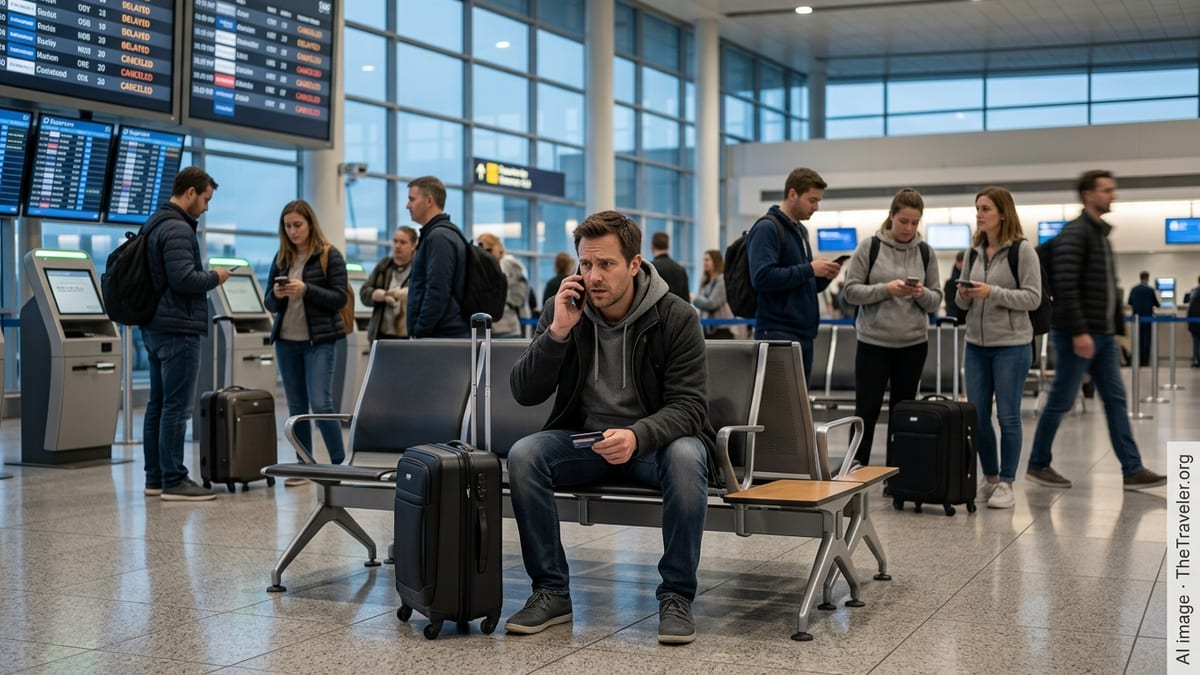
Travel advice can change fast: check your destination before you fly
Publicly available Australian Government travel guidance continues to be centred on Smartraveller, which publishes country and region advice levels and updates for more than 175 destinations. For travellers, the practical takeaway is that “set and forget” planning no longer works: advice levels and specific risks can shift quickly, particularly around conflict-affected regions, terrorism risk, civil unrest and transport disruption.
Smartraveller’s destinations directory shows frequent rolling updates, including multiple Middle East listings carrying high-level warnings and recent update dates in September 2026. Even for travellers not heading into high-risk areas, routing can matter: itineraries that transit through regions under heightened security settings can face last-minute schedule changes, screening delays, or rebooking challenges.
Australians who are travelling are also encouraged to use tools that are already built into the government’s travel-advice ecosystem, including destination-specific alerts and the ability to track updates. Broader trip-planning guidance is also available through Australian Government services that direct travellers back to Smartraveller as the primary source for destination advice.
Airline impersonation scams are still hitting travellers and frequent flyers
One of the most persistent threats flagged in published coverage and official consumer alerts is airline impersonation, where scammers copy branding and send messages that look like customer support, refunds, vouchers, points or “account security” notices. Australia’s Scamwatch has issued an alert focused on a Qantas impersonation scam, noting that ongoing scam activity has been identified since 2025 and reiterating that genuine contact should not involve requests for passwords, PINs, or one-time passcodes.
Airlines have also published their own scam and cyber-safety pages with examples of current themes. Qantas’ public scam guidance has included items such as fake refund phishing and messages designed to trick customers into taking “account” actions. Jetstar has similarly posted scam summaries, including warnings about fake “airline agent” refund approaches and fake voucher listings earlier in 2026.
For travellers, the most useful approach is procedural: treat unsolicited calls, texts, social media messages and emails about refunds, credits, vouchers or points as suspicious, then verify through the airline’s official website or official app rather than using contact details provided in the message. Consumer guidance from Australia’s MoneySmart also warns about follow-up scams and recommends steps like changing passwords, enabling multi-factor authentication and reporting scam activity.
Passport timing: don’t assume a last-minute application will make your departure
Australians leaving passport renewal or replacement too late can still get caught out, particularly as overseas plans ramp up around school holidays and peak travel windows. The Australian Passport Office’s published processing guidance, updated as at July 2026, sets a target that 95% of travel documents will be available within six weeks of lodgement, while noting that processing times can vary for applications made outside Australia.
That timeline is a planning benchmark, not a guarantee. Travellers with complex circumstances, incomplete applications or extra eligibility checks can face longer waits, and anyone who needs to apply from overseas should factor in additional variables such as local lodgement processes, postage or collection arrangements, and the practical difficulty of booking urgent appointments while travelling.
The simplest way to reduce risk is to treat passports like a critical pre-trip “safety item,” along with insurance and visas: check expiry dates well before booking, confirm entry rules for every country on the itinerary (including transits), and avoid assuming that an airline can resolve document problems at the airport on departure day.
What travellers should do now before booking and before departure
For Australians planning overseas trips, the clearest theme across official guidance and recent scam alerts is verification. Before paying for flights or accommodation, check the current Smartraveller advice level for every destination and review the “latest update” date, then keep monitoring for changes as your departure approaches.
On the cyber side, lock down accounts used for travel: email, airline loyalty programs, bank logins and payment services. Use strong unique passwords and multi-factor authentication, and be wary of any message that creates urgency around refunds, credits, points expiry or “account deletion,” particularly if it asks for codes or pushes you to click through to a login page.
Finally, build time buffers into the trip for document and operational issues. That includes allowing for passport processing lead times, keeping digital and physical copies of key documents, and ensuring you can access official airline booking details through the carrier’s app or website if you need to rebook quickly due to disruptions.