

New England inspires strong fantasies long before anyone steps off the plane in Boston or pulls into a small Vermont town. Travelers picture blazing foliage on empty roads, lobster shacks without lines, quiet snowy villages and breezy summer beaches. The reality can be far richer, but it is also more complicated. Distances are longer than they look, the weather turns on a dime, and peak seasons are crowded for a reason. Understanding what visitors often get wrong about New England travel can transform a rushed checklist trip into the kind of slow, layered experience this region does best.
Misreading New England’s Seasons
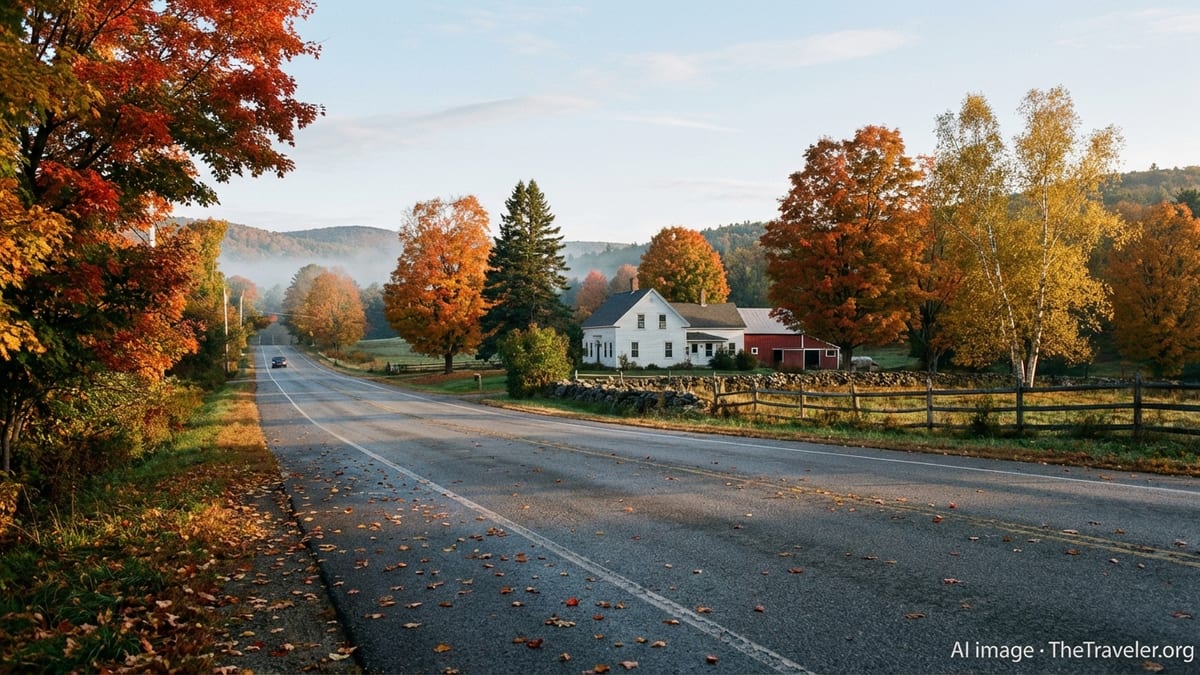
Many visitors assume New England shines only in October, and that “fall in New England” is one unified season with the same timing everywhere. In reality, the six states stretch from the Canadian border to Long Island Sound, and foliage peaks move south and down in elevation over several weeks. Northern Vermont, northern New Hampshire, and the higher elevations of Maine often see peak color in late September or early October, while coastal Massachusetts, Rhode Island, and much of Connecticut usually turn later in October. A single weekend cannot realistically capture every famous foliage drive at its brightest, and chasing the peak from one end of the region to the other is as stressful as it sounds.
Summer brings its own misconceptions. Travelers planning beach vacations to Cape Cod, the Maine coast, or the islands sometimes assume water temperatures will feel like the Carolinas. The Atlantic here stays noticeably colder, even in late summer, and fog can roll in on what looked like a perfect morning. July and August are prime months for coastal trips, but they are also the most crowded, with traffic bottlenecks and fully booked inns in popular destinations. Shoulder periods in late June or early September can offer milder crowds and more manageable prices, especially if swimming is not the only goal.
Winter is another season outsiders often misjudge. Some imagine every New England town becomes a snow globe from December through March, only to discover bare ground in coastal cities during thaws or rain replacing snow near the shoreline. Others underestimate the severity of winter at higher elevations, where wind, ice, and limited daylight can make mountain driving or hiking genuinely hazardous. Ski areas in New Hampshire, Maine, and Vermont work hard to create dependable conditions, but non-skiers should recognize that winter tourism centers heavily on snow sports and cozy indoor experiences rather than easy scenic drives on every road.
Spring, especially March and April, might be the least understood season. Travelers expecting blooming gardens and dry trails are often surprised by “mud season,” when melting snow, thawing ground, and lingering chill limit hiking, close some back roads, and keep certain attractions on reduced schedules. Late May and early June can be lovely, but they can also be cool and wet. Planning around flexible indoor and outdoor options, and accepting that not every attraction operates at full summer hours, is key to enjoying New England’s shoulder seasons.
Underestimating Distance, Driving and Crowds
On a map, New England looks compact, and many first time visitors assume they can comfortably see Boston, Acadia National Park, the White Mountains, Cape Cod, Newport, and the Berkshires in a single week. In practice, this approach turns an atmospheric region into a string of rushed hotel check-ins. Rural highways are often two lane roads, scenic but slow, and weekend traffic near popular resort areas can add hours. Driving from Boston to Bar Harbor, or from Cape Cod up to northern Vermont, is a substantial journey, especially once you factor in food stops, ferry schedules, and seasonal road construction.
Travelers also misread how driving feels in New England’s older cities and towns. Boston’s historic street plan predates the car by centuries, which means short distances can be surprisingly confusing, and parking in popular neighborhoods is both expensive and limited. Many coastal towns were built along narrow peninsulas or harbors, where streets can bottleneck in summer. Visitors who insist on keeping a car in the city or driving everywhere in peak season often spend more time searching for parking than exploring on foot. In larger hubs like Boston or Providence, public transit, walking, and occasional rideshares usually make more sense than parking garages and downtown hotel lots.
Crowds are another reality some travelers are reluctant to plan around. Popular coastal villages in Maine or Massachusetts, classic foliage routes in Vermont and New Hampshire, and busy outlet or ski towns in winter can feel congested on weekends and holidays. Queues at famous lobster shacks, waits at brunch spots, and sold out tours are common in July, August, and peak fall foliage weeks. Booking lodging several months ahead for those periods, traveling midweek, or aiming for late September rather than Indigenous Peoples’ Day weekend can dramatically change the experience. Ignoring seasonal demand and expecting to improvise can lead to long drives in search of vacancies and higher prices for what is left.
Finally, many visitors treat New England as one long scenic drive and underestimate the value of staying put for a few days. Instead of racing from state to state, choosing one or two base towns and exploring nearby hikes, villages, and coastal stretches leads to less time in the car and more time actually absorbing the sense of place. A single valley in the Green Mountains, a cluster of harbor towns on the Maine coast, or one of Rhode Island’s compact regions can easily fill several days without feeling repetitive.
Misjudging Weather and What to Pack
Few regions confound packing decisions like New England. Travelers often arrive with suitcases suited either for summer or fall, not both, and are caught off guard by wide temperature swings. A September day in coastal Maine can start in the 40s Fahrenheit, climb into the 70s by afternoon, then drop again as evening fog rolls in. Even in July, inland thunderstorms can cool the air quickly, and nights in the mountains often feel several degrees colder than nearby cities. Visitors who pack only shorts and sandals or only heavy sweaters can end up either shopping unexpectedly or cutting outdoor time short.
Another common mistake is assuming rain here behaves like a predictable afternoon shower in a tropical climate. New England’s rain systems can linger for full days or arrive as intermittent drizzle, especially near the coast. Wind is a frequent companion, making umbrellas less practical in open spaces or on exposed shorelines. A light, packable waterproof jacket and breathable layers usually serve travelers better than bulky coats or flimsy rain ponchos. Footwear that can handle wet sidewalks, gravel paths, and muddy trails also makes it easier to stay active when the forecast is mixed.
Ocean conditions are equally misunderstood. Even at the height of summer, the water along much of the Maine and New Hampshire coasts stays cooler than many visitors expect, and waves or currents may be rougher than on more sheltered beaches farther south along the Atlantic. Lifeguard coverage varies by town and season, and some smaller or more rugged stretches of coast are better suited to walking and photography than swimming. Checking local advisories, tide times, and posted signage is especially important on rocky shorelines and causeways where high tides can quickly change access.
Seasonal hazards also deserve respect. In winter, black ice on back roads, sudden squalls in the mountains, and limited cellphone coverage in rural areas can turn a casual scenic drive into a serious challenge. During shoulder seasons and summer, mosquitoes and ticks are part of outdoor life, especially in wooded or grassy areas. Many visitors underestimate the importance of insect repellent, light colored clothing, and simple tick checks after hikes or picnics. Preparing for these realities does not need to be burdensome, but ignoring them can turn a dream itinerary into a much less comfortable trip.
Overlooking Small Towns, Islands, and Rural Experiences
Travelers often gravitate to marquee names: Boston, Cape Cod, Acadia, the White Mountains, Newport. These places are popular for good reason, yet treating them as the whole of New England means missing the quieter, deeply local side of the region. Inland mill towns that reinvented themselves with arts communities, small farming valleys with roadside farmstands, and working waterfront villages beyond the day trip radius of major cruise ports all offer a different lens on local life. Many of these towns are where you find the everyday rhythms of school sports, farmers markets, and year round diners that define the region far more than a postcard photo ever could.
Visitors also tend to underestimate New England’s islands and peninsulas beyond the best known ones. Martha’s Vineyard and Nantucket in Massachusetts, Block Island in Rhode Island, and the more remote islands off the Maine coast all have distinct personalities and seasonal quirks. Ferry schedules can be limited outside high summer, and bringing a car across the water often requires reservations well in advance. Without that planning, travelers may have to rely on bikes, buses, or walking, which can be delightful but requires realistic expectations about what is practical to see in a single day.
Another common oversight lies in rural inland regions. Many people imagine New England primarily as coastal or mountainous, but its interior includes river valleys, lakeside communities, and old industrial corridors where towns are rebuilding around craft breweries, local food, and outdoor recreation. These areas can be particularly rewarding in shoulder seasons, when coastal prices are still high and mountain foliage has not yet peaked or has already passed. Slower tourism here often means more time to talk with shop owners, less competition for restaurant reservations, and a chance to experience New England beyond the classic vacation marketing images.
Travelers who do seek out these smaller places sometimes misjudge amenities. Not every scenic village has 24 hour convenience stores, constant mobile data coverage, or ride hailing services. Restaurants may close earlier than expected on weeknights, and some attractions operate seasonally or only on certain days. Checking hours, making a few strategic reservations, and having a flexible backup plan helps ensure that the charm of quieter destinations does not come with the frustration of arriving to closed doors.
Misunderstanding Culture, History, and Local Pace
New England’s role in United States history looms large in schoolbooks, and visitors often arrive with a sense that they already know what they will find: colonial town greens, white steepled churches, and Revolutionary War sites. While these are certainly present, the region’s history is far more layered and complex than a single chapter on early settlement suggests. Coastal cities and towns have long been shaped by immigration, maritime trade, and more recently by universities and technology industries. Textile and manufacturing centers inland have their own stories of labor, decline, and reinvention. Indigenous histories, Black history, and the legacies of whaling, fishing, and shipbuilding add additional dimensions that many casual itineraries skip.
Culturally, visitors sometimes misread the local personality. New Englanders often have a reputation for being reserved or brisk, which some outsiders interpret as unfriendly. In truth, politeness, privacy, and direct communication are valued, especially in smaller communities. A simple greeting, patience when a line moves slowly, and a willingness to listen can open more conversational doors than pressing for overly familiar interactions. Asking staff or locals for their favorite places, rather than the single “best,” often sparks more relaxed and helpful exchanges.
Another misconception is that New England is uniformly quaint and traditional. While stone walls, covered bridges, and clapboard houses exist in abundance, so do contemporary arts scenes, innovative food cultures, and evolving neighborhoods shaped by newer immigrant communities. College towns and mid sized cities throughout the region have galleries, music venues, and experimental kitchens that contrast sharply with the nostalgic imagery on souvenir postcards. Balancing time between historic districts and modern neighborhoods you might not see in tourism brochures can provide a more current and honest view of the region.
Finally, visitors sometimes struggle with the local pace of life. In major cities, services and transit feel fast and efficient, but in smaller towns, businesses may close early, especially outside of high season. Road crews work within short construction windows, which can snarl traffic on key routes during warm months. Coastal villages and islands may operate on a slower timeline, particularly in spring and fall. Building a little extra time into your daily plans, rather than scheduling each hour, helps avoid frustration and allows space for the kind of unplanned discoveries that become trip highlights.
Overplanning the “Perfect” New England Experience
Because New England features heavily in travel articles, novels, and films, many visitors arrive with a very specific mental picture of what their trip should look like. They imagine one particular village with peak foliage, empty lighthouses at sunset, the ideal lobster roll by the water, and a cozy inn with a fireplace and no crowds. In pursuit of this curated ideal, itineraries become rigid and packed, with little room for weather shifts, traffic, or simple fatigue. When the exact tree lined vista from a photograph is not quite as golden in real life, or when rain moves in on the day reserved for hiking, disappointment can overshadow the real experiences available.
Another version of overplanning shows up in highly scheduled, multi state road trips that leave almost no time for lingering. Travelers pile on walking tours, museum visits, scenic drives, and restaurant reservations in an attempt to “maximize” their week. In practice, the most memorable moments in New England often occur when plans flex: an unhurried conversation with a shop owner, a spur of the moment detour to a local fair or farmstand, or an extra half hour watching the light change over a harbor or hillside. Leaving space in the schedule for weather delays or unplanned discoveries is not a compromise; it is a way of aligning with how the region itself moves through the seasons.
A more subtle misconception lies in assuming there is a single authentic version of New England that can be captured in one trip. Coastal Maine in March, a Massachusetts college town in September, a Rhode Island beach community in July, and a Vermont ski town in January all reflect the region, but in very different ways. Travelers sometimes judge their trip harshly because it did not match another person’s photos taken in a different month, or because they did not see every “must visit” stop listed in a guide. Accepting that any one journey offers only a slice of New England can relieve the pressure to see everything and instead highlight the particular qualities of the time and place you do experience.
In the end, the best antidote to overplanning is to define a trip not by a checklist but by a mood or theme. You might focus on coastal walks and seafood, on historic towns and museums, on mountain hikes and lakes, or on small cities and food culture. Choosing a handful of anchor experiences and letting the rest of the details develop as you go allows New England’s variety to work in your favor rather than against your expectations.
The Takeaway
Visitors most often get New England wrong when they try to compress it into a single postcard image or a whirlwind tour. The region is not one place but many: rocky peninsulas and long sandy beaches, craggy mountains and quiet lakes, dense historic cities and villages with a single blinking traffic light. Its seasons do not flip on one shared calendar date, and its small scale on the map does not translate into quick, effortless travel days. Weather can undo the most carefully arranged photo plans, and peak seasons can feel more crowded than the dreamy scenes in brochures suggest.
Yet those same complexities are what make New England rewarding. The shifting foliage line in autumn encourages travelers to slow down and appreciate a single valley or harbor rather than chase endless superlatives. The need to pack layers nudges visitors toward slower walks, cafe stops, and evenings by the fire when rain interrupts a hike. Small towns and islands with limited services cultivate conversations and routines that seldom appear on social media. The region’s layered history and mix of old and new communities invite curiosity rather than quick assumptions.
If you arrive ready to respect the distances, plan for variable weather, embrace crowds where they are inevitable, and balance famous highlights with quieter detours, New England will likely exceed the postcard in your imagination. The most satisfying trips here are not those that capture every iconic view under perfect skies, but the ones that leave you with a sense of having lived, briefly, inside the everyday rhythm of a place that continues to evolve long after the leaves have fallen or the summer cottages have closed.
FAQ
Q1. When is the best time to see fall foliage in New England?
The timing varies by latitude and elevation, but late September to mid October is usually prime, with northern and higher areas turning before southern and coastal regions.
Q2. Can I visit several New England states in one week?
It is possible to cross multiple state lines in a week, but trying to see every major highlight quickly can feel rushed. Focusing on one or two areas usually leads to a richer trip.
Q3. Do I need a car to explore New England?
A car offers invaluable flexibility for rural areas, scenic byways, and small towns. In larger cities like Boston, however, public transport and walking often work better than driving and parking.
Q4. How cold is the ocean in summer?
Even in late summer, ocean temperatures along much of the New England coast remain cooler than farther south, so swims can feel brisk. Many visitors still enjoy swimming on warm days, especially at more sheltered beaches.
Q5. How far in advance should I book lodging for peak seasons?
For high demand periods like July and August on the coast or peak foliage weeks in autumn, booking several months ahead improves your chances of finding the style and location of lodging you want.
Q6. Is New England only worth visiting in the fall?
No. Each season offers distinct experiences, from summer beaches and boating to winter skiing and cozy town centers. Spring and early fall can bring fewer crowds and better value.
Q7. What should I pack for unpredictable New England weather?
Layered clothing, a light waterproof jacket, comfortable walking shoes that handle wet surfaces, and seasonal extras like insect repellent or warm accessories in winter are useful.
Q8. Are small towns and islands open year round?
Many communities have year round residents, but some restaurants, shops, and lodgings operate seasonally or on reduced schedules outside summer and major holidays, so it is wise to check hours in advance.
Q9. Is New England easy to navigate with public transportation alone?
Regional trains and buses connect major cities and some larger towns, but coverage in rural areas is limited. Travelers who want to reach smaller villages and trailheads often find a rental car necessary.
Q10. How can I avoid crowds at popular New England destinations?
Traveling midweek, visiting in shoulder seasons, starting days early, and exploring lesser known towns near famous hubs all help reduce time spent in lines and traffic.