

Choosing where to stay in Hawaii shapes everything about your trip, from the beaches you wake up to each morning to how long you spend in the car getting to sights and trailheads. With six main visitor islands, dozens of distinct coastal areas, and accommodations that range from intimate cottages to full scale luxury resorts, it can be hard to know which spot is right for you. This guide breaks down the best islands, resort zones, and beach areas across Hawaii so you can match your home base to the vacation you actually want.
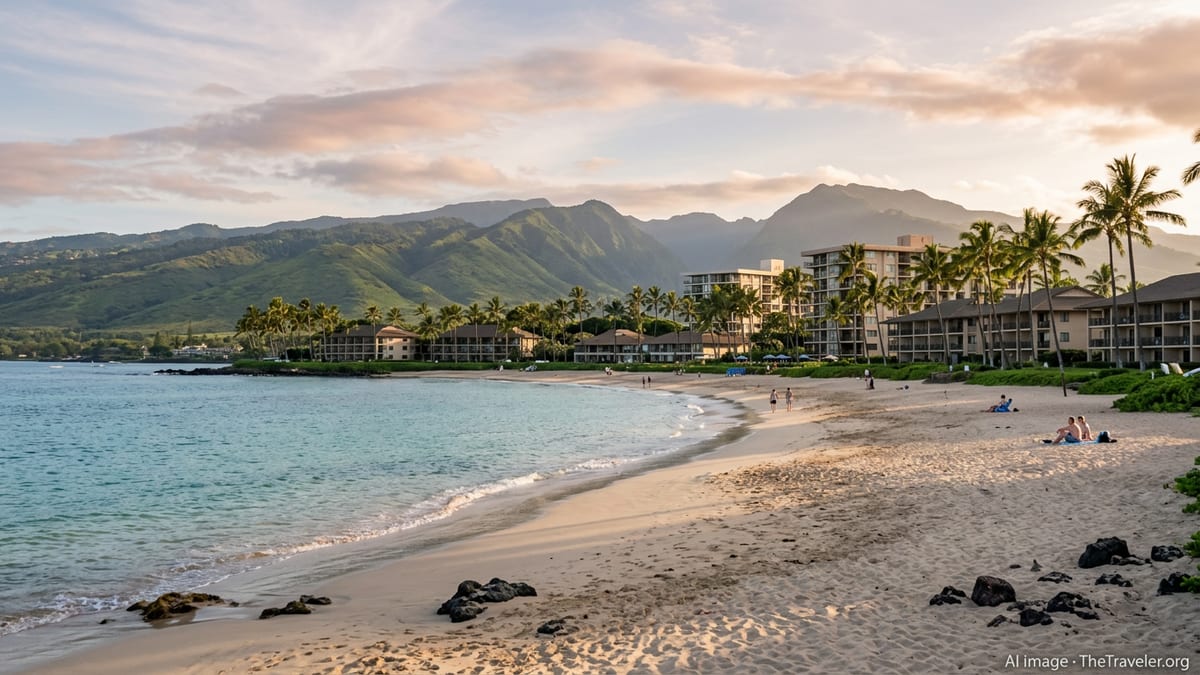
How to Choose the Right Hawaiian Island for Your Stay
Before you zoom in on specific resorts or beach neighborhoods, it helps to think island by island. Oahu, Maui, Kauai, and Hawaii Island, often called the Big Island, see the most visitors and offer the widest selection of accommodations. Oahu is the most urban and convenient, with Honolulu’s dining, museums, and nightlife balanced by quieter pockets like the North Shore and Ko Olina. Maui blends upscale resorts with scenic drives and excellent beaches, while Kauai appeals to travelers looking for a slower pace and dramatic scenery. The Big Island, meanwhile, spreads its attractions over a wide area, from black lava fields to calm resort bays.
Your priorities will guide which island fits best. First time visitors who want a classic mix of beach time, some nightlife, and easy logistics often gravitate to Oahu or Maui. Those seeking lush landscapes, hiking, and a laid back feel may prefer Kauai, while repeat visitors and adventure travelers often choose the Big Island for its unique volcanic landscapes, snorkeling, and stargazing. Interisland flights make it possible to split a trip, but each travel day eats into your vacation, so it is usually better to focus on one or two islands unless you have a longer stay.
Budget and season also matter. Oahu generally has the widest range of price points, including many midrange hotels and condominium style stays. Maui’s most popular resort areas command higher nightly rates, especially in winter and around holidays. Kauai and the Big Island can offer good value away from their marquee resort zones, but you may trade walkability for more driving. If you are traveling in peak periods such as late December, February, or summer school holidays, booking early is important on every island, particularly for beachfront resorts and vacation rentals with direct ocean views.
Finally, consider how much driving you enjoy. Hawaii’s islands are not huge, but roads are often two lanes, with occasional congestion near resort areas and in towns. Staying close to the beaches and activities you care about most can save you an hour or more of daily commuting. The rest of this guide focuses on the main resort and beach areas where visitors base themselves, with a look at who each one suits best.
Best Places to Stay on Oahu: Beyond Waikiki
Most visitors to Oahu begin in Waikiki, Honolulu’s famous beachfront neighborhood lined with high rise hotels, restaurants, and shops. It offers unmatched convenience, a protected swimming beach, and easy access to tours that pick up directly from major hotels. However, the area is busy and can feel crowded, especially in winter and during school vacations. If you like being in the center of the action with a wide choice of accommodations at different price points, Waikiki is still a strong choice. Look for oceanfront or ocean view rooms if you value a quieter night, since they tend to sit away from the main street traffic.
Travelers seeking a calmer setting often look to Ko Olina on Oahu’s west side. This master planned resort area features man made lagoons with protected swimming, a paved coastal path, and a small cluster of resorts and vacation clubs. The mood is relaxed and family friendly, with sunsets over the water and generally drier weather than Honolulu. Dining choices are more limited than in Waikiki, and you will likely want a rental car to reach grocery stores or explore island wide, but many guests appreciate the resort style convenience and the ability to retreat from city noise.
On the opposite side of the island, the North Shore centers around Haleiwa and a string of famous surf beaches. In winter, large swells attract professional surfers and spectators, while summer brings calmer seas better for swimming and snorkeling. Accommodations here lean toward smaller inns, vacation rentals, and a handful of beachfront resorts rather than high rises. This is a good base for travelers who prioritize a laid back, local feel, food trucks, and time outdoors over nightlife. Because the North Shore has fewer hotels than Waikiki, options can book up quickly, particularly for peak surf season.
For visitors who want hotel style comforts but with more space and a quiet atmosphere, scattered condo resorts and smaller hotels on Oahu’s east side and in more residential areas close to Honolulu can also work well. These areas rarely sit directly on broad sandy beaches, but they appeal to travelers comfortable driving who want access to both city amenities and scenic coastal drives. Wherever you stay on Oahu, you are never more than a few hours from any major attraction, so choosing a home base that matches your pace and noise tolerance matters more than being in a perfectly central location.
Where to Stay on Maui: Kaʻanapali, Wailea, and Beyond
Maui has long been a favorite for honeymooners and families looking for upscale resorts paired with accessible natural beauty. The main resort coasts are West Maui, anchored by Kaʻanapali and the Lahaina area, and South Maui, centered on Kihei and Wailea. Each stretch of shoreline offers sandy beaches, good snorkeling in the right conditions, and views of neighboring islands. After the 2023 wildfires that affected Lahaina town, visitor infrastructure has continued to adjust, so it is wise to check current guidance and be respectful of local recovery efforts when choosing where to stay and where to spend time.
Kaʻanapali Beach has one of the island’s most classic resort strips, with large hotels and vacation clubs fronting a long sandy bay. A beachfront walkway connects properties to shopping and casual dining hubs, making this one of the most walkable areas on Maui. It suits visitors who want to spend most of their time by the pool or beach, join boat trips that depart nearby, and have restaurant options without driving each evening. Rooms with direct beach access or full ocean views are especially popular here, and rates tend to reflect that demand, particularly in winter and over holidays.
Farther south, Wailea offers a more spaced out, manicured resort environment. Luxury hotels and villa style resorts are set along a coastal path that links several crescent shaped beaches. The area tends to feel quieter than Kaʻanapali at night, with a focus on golf, spa time, and upscale dining. Nearby Kihei provides a more casual, budget friendly alternative with condominium complexes and low rise hotels across the road from beaches. Staying in Kihei can be a smart choice for travelers who plan to explore the island by car, since it offers relatively easy access to routes toward Haleakalā, the Road to Hana, and West Maui.
Elsewhere on Maui, smaller towns and rural stretches host a limited but appealing set of accommodations. Napili and Kapalua, just north of Kaʻanapali, feel quieter and more low key, with coves suited to relaxed swimming when conditions are calm. In upcountry areas on Haleakalā’s slopes and along the road to Hana, intimate inns, cottages, and vacation rentals place you close to farms, trails, and waterfalls rather than sandy beaches. These can be rewarding bases for repeat visitors or those focused on hiking and photography, though first timers often prefer to stay at least a few nights near a main resort beach for ease of dining and ocean access.
Where to Stay on Kauai: North, South, and East Shores
Kauai’s compact size and limited road network mean that where you stay has a strong impact on how much time you spend driving. The island’s most popular resort zones fringe the North Shore around Princeville and Hanalei, the sunnier South Shore near Poʻipū, and the East Side, often called the Coconut Coast, around Kapaʻa and Wailua. Each area has its own microclimate and personality. The North Shore is lush and dramatic, the South Shore is typically drier with consistently swimmable beaches much of the year, and the East Side is centrally located for exploring in all directions.
The North Shore appeals to travelers who value scenery and a relaxed, small town atmosphere. Hanalei Bay is one of Hawaii’s most photogenic beaches, with a long curve of sand backed by waterfalls and steep green ridges. Accommodations here range from vacation rentals and small inns in and around Hanalei to larger condo and resort complexes in nearby Princeville. In winter, heavy surf often makes North Shore beaches more suitable for watching waves than swimming, and frequent showers are common, though many visitors find the tradeoff worthwhile for the landscape. Road closures and parking controls sometimes affect access to the Nāpali Coast and certain trailheads, so checking current conditions is important.
On the South Shore, Poʻipū and nearby Kōloa form the island’s sun belt. This is one of the best places on Kauai for a classic beach vacation with a good chance of sunny weather, especially in the cooler months. Resorts and condo complexes sit directly on or a short walk from several beaches, and there is a compact cluster of shopping and dining centers. Families appreciate the relatively sheltered swimming at Poʻipū Beach and the convenience of paved coastal paths, while couples enjoy oceanfront sunsets and proximity to historic Kōloa town. Because the area remains popular year round, prices here can be among the highest on the island for oceanfront stays.
The East Side provides the most central base, with Kapaʻa and Wailua offering quick access to both north and south without long commutes. Accommodations include midrange hotels, condo resorts, and vacation rentals, many just across the road from the shoreline. This stretch can be breezier than Poʻipū and is not quite as scenic as the North Shore, but it tends to offer good value, plenty of dining options, and amenities like bike paths and easy access to grocery stores. Staying here can make sense if you plan to spend equal time exploring Waimea Canyon and Kōkeʻe State Park in the west, the North Shore beaches, and the island’s inland waterfalls.
The more remote West Side sees relatively few overnight visitors, with limited accommodations clustered around Waimea and Kekaha. Travelers who choose to stay here usually come for early access to Waimea Canyon viewpoints, quieter stretches of beach, and a more local feel. The tradeoff is a longer drive to most other island attractions and fewer restaurant choices. Many visitors instead stay elsewhere and day trip to the canyon and the wild beaches at the far western end of the road, returning to their base on the South or East Shore by evening.
Best Areas to Stay on the Big Island of Hawaii
Hawaii Island, often simply called the Big Island, is larger than all the other Hawaiian islands combined, so choosing a base here is particularly important. The main visitor areas concentrate on the sunny Kohala Coast north of Kona, Kailua Kona town itself, and the windward side around Hilo. Because drives between regions can take several hours, many travelers split their stay between two sides of the island, especially if they want time both in a beach resort zone and near waterfalls or rainforests.
The Kohala Coast is home to many of the island’s most established beach resorts. Here, crescent shaped bays cut into older lava flows, creating pockets of sand protected from larger surf. The weather is generally dry and sunny, and several properties sit directly on the beach or adjacent to golf courses and walking paths. This is a strong choice for travelers whose top priority is a relaxed oceanfront stay with excellent swimming, resort pools, and on site dining. The feel is more self contained than in a town setting, so you may want a car if you plan to explore beyond the resort grounds or sample independent restaurants inland.
South along the coast, Kailua Kona combines a small harbor town with a long strip of oceanfront lodging, from midrange hotels to vacation rentals and smaller inns. While not lined with wide sandy beaches in the same way as parts of the Kohala Coast, this area offers a lively atmosphere, easy access to snorkeling and boat tours, and a walkable waterfront with shops and eateries. It suits travelers who want a mix of activity and downtime without being tied entirely to a large resort complex. Farther south around Kealakekua Bay and Puʻuhonua o Hōnaunau, small guesthouses and rentals place you near some of the island’s standout snorkeling and cultural sites, though you will drive farther for large supermarkets and most restaurants.
On the island’s east side, Hilo and nearby communities on the rainier windward coast attract visitors interested in waterfalls, botanical gardens, and a more local day to day rhythm. Accommodations here tend to be modest hotels, bed and breakfasts, and vacation rentals rather than large waterfront resorts. This is also the closest base to the main entrance of Hawaiʻi Volcanoes National Park, though many visitors still choose to divide their stay, with several nights on the sunny west coast and a shorter visit in or near Hilo to explore the park and surrounding sights. The weather on this side is often wet, but the lush landscapes and fewer crowds are part of the appeal.
Matching Beach Areas and Resorts to Your Travel Style
Once you have a sense of which island fits your trip, the next step is to select a specific beach area and property type that matches your travel style. Families with young children often prioritize protected swimming, access to groceries, and space to spread out. On Oahu, that might mean a lagoon side resort at Ko Olina or a larger family friendly hotel in Waikiki near calm sections of the beach. On Maui, resort zones like Kaʻanapali, Wailea, and parts of Kihei offer shallow entry beaches in the right conditions, along with pool complexes and kids programs at larger properties. Kauai’s Poʻipū Beach and segments of the Kohala Coast on the Big Island also tend to be popular with families for similar reasons.
Couples and honeymooners may lean toward quieter corners of these same resort areas or more boutique properties with an emphasis on privacy and views. On Kauai, a small inn or vacation rental near Hanalei Bay provides a romantic base with outstanding scenery, while on Maui, oceanfront rooms in Wailea or Kapalua feel particularly tranquil. The Big Island’s Kohala Coast has several beachfront resorts known for spacious grounds and sunset facing rooms, while on Oahu, smaller hotels or rentals in residential neighborhoods close to the beach can offer a more intimate feel than the busiest parts of Waikiki.
Adventure travelers and return visitors often prioritize easy access to hiking, surf breaks, or snorkeling over resort style amenities. Staying near Hanalei on Kauai puts you close to trailheads and river activities when conditions allow, while basing yourself around Hilo or Volcano on the Big Island shortens the drive to national park trails and recent lava landscapes. On Oahu, the North Shore and windward coast are convenient for surf watching, coastal hikes, and exploring quiet coves. On Maui, dividing time between a beach resort and a few nights in upcountry or Hana can give you a very different perspective on the island.
Regardless of style, it is sensible to read recent guest feedback for any property you consider, paying attention to comments about beach access, noise, and driving times to key attractions. Conditions in Hawaii can change due to shoreline erosion, storm impacts, and local regulations about parking or visitor numbers. Choosing a base with realistic expectations, and perhaps building in a bit of flexibility for weather, will help your stay feel relaxed rather than rushed.
Practical Tips for Booking Accommodation in Hawaii
Planning ahead is one of the most important steps when deciding where to stay in Hawaii. The most desirable beachfront resorts, vacation rentals with direct ocean views, and smaller boutique properties can book up months in advance for busy periods such as winter, spring break, and summer holidays. If your dates are fixed and you have your heart set on a particular island or area, securing accommodation early gives you more choice and sometimes better rates. For shoulder seasons such as late April, May, September, and early November, there is often a bit more flexibility, though booking ahead is still advisable for popular islands like Maui.
It is also worth understanding the range of accommodation types on each island. In addition to familiar hotel brands and resort complexes, Hawaii offers many condominium style properties where each unit includes a kitchen or kitchenette and living space. These can be cost effective for families or longer stays, especially in areas like Kihei, Kapaʻa, Princeville, and parts of Kona. Vacation rentals in residential neighborhoods and smaller towns provide another option, but local regulations have tightened in recent years in some areas to address community concerns, so it is important to book legally permitted properties.
Transportation plans should influence where you stay. If you do not plan to rent a car, neighborhoods like Waikiki, central Lahaina and Kaʻanapali on Maui, Kapaʻa on Kauai, and central Kailua Kona offer better walkability and access to tours with hotel pickup. If you will have a vehicle, factor in parking costs at resorts and hotels, which can add significantly to nightly expenses in the most popular areas. Staying slightly back from the beach can reduce both room and parking costs, but consider whether you will be comfortable crossing roads or walking a bit farther to the water each day.
Finally, keep an eye on local news and guidance as your trip approaches. Hawaii periodically adjusts visitor access to certain parks, trails, and bays to protect ecosystems and cultural sites or in response to natural events. Day use reservations, shuttle systems, and parking limits may affect how convenient a given base is for the activities you have in mind. Building a flexible itinerary and being ready to shift plans if needed will help ensure that wherever you choose to stay, you can still enjoy the beaches, landscapes, and culture that drew you to Hawaii in the first place.
The Takeaway
There is no single best place to stay in Hawaii that suits every traveler. The right choice depends on which island’s personality resonates with you, what kind of atmosphere you prefer, and how you envision spending your days. Oahu offers urban energy and convenient touring, Maui balances polished resorts with dramatic drives, Kauai wraps you in lush scenery and a slower pace, and the Big Island spreads a surprising diversity of climates and coastlines across its broad shoulders. Within each island, resort and beach areas cater to different tastes, from lively promenades to quiet coves.
By starting with your priorities, considering how much driving you are comfortable with, and weighing the tradeoffs between convenience, scenery, and budget, you can narrow the options to a handful of neighborhoods that genuinely fit your trip. From there, you can choose between full service resorts, condo style stays, or smaller inns and rentals, knowing that the island and region already align with what you value most. Thoughtful planning now makes it far easier to relax once you arrive, letting the rhythm of waves, trade winds, and island life take over.
Whichever island and beach you ultimately call home for a week or two, staying in a place that feels right for you is the foundation of a memorable Hawaii vacation. Whether you find yourself watching sunset from a high rise balcony in Waikiki, a garden lanai on Kauai’s North Shore, a pristine bay on Maui, or a lava framed beach on the Big Island, the combination of ocean light and island hospitality tends to stay with travelers long after the trip ends.
FAQ
Q1. What is the best Hawaiian island to stay on for a first visit?
For many first time visitors, Oahu or Maui work best, thanks to a mix of good beaches, varied activities, and a wide range of accommodation options across different budgets.
Q2. How far in advance should I book accommodation in Hawaii?
For peak travel periods such as winter, spring break, and summer, aim to book several months in advance, especially for beachfront resorts or smaller boutique properties in high demand areas.
Q3. Is it better to stay in one place or split my stay between islands?
If you have a week or less, staying on a single island usually feels more relaxed. For trips of 10 days or longer, splitting between two islands can work well if you are comfortable with the extra travel day.
Q4. Do I need a rental car to enjoy my stay in Hawaii?
A rental car provides the most flexibility on every island, but you can manage without one in highly walkable areas such as Waikiki, parts of Kaʻanapali, and central Kailua Kona by relying on tours and local transport.
Q5. Which areas of Hawaii are best for families with young children?
Family friendly choices include Waikiki and Ko Olina on Oahu, Kaʻanapali and Wailea on Maui, Poʻipū on Kauai, and several resort bays along the Kohala Coast on the Big Island, all of which offer relatively calm water in suitable conditions.
Q6. What is the difference between staying in a resort and a condo in Hawaii?
Resorts typically offer more on site services such as restaurants, pools with staff, and activity desks, while condos provide kitchen facilities and more living space, which can be cost effective for longer stays or families.
Q7. Are vacation rentals legal everywhere in Hawaii?
Vacation rental regulations vary by island and even by neighborhood, and some areas now restrict short term rentals, so it is important to book only properties that are operating with proper permissions.
Q8. Which side of each island usually has better weather?
On many islands, leeward or south and west facing coasts tend to be drier and sunnier, while windward or north and east facing coasts are often greener and wetter, though conditions can change day to day.
Q9. How can I avoid spending too much time driving during my stay?
Choose accommodation close to the beaches and activities you care about most, and consider focusing your itinerary on one region per day rather than crisscrossing the island repeatedly.
Q10. Is it safe to swim at beaches near most resorts in Hawaii?
Many resort areas front relatively protected bays, but ocean conditions can change quickly, so always heed local warnings, talk with lifeguards when present, and avoid entering the water in obviously rough or hazardous conditions.