

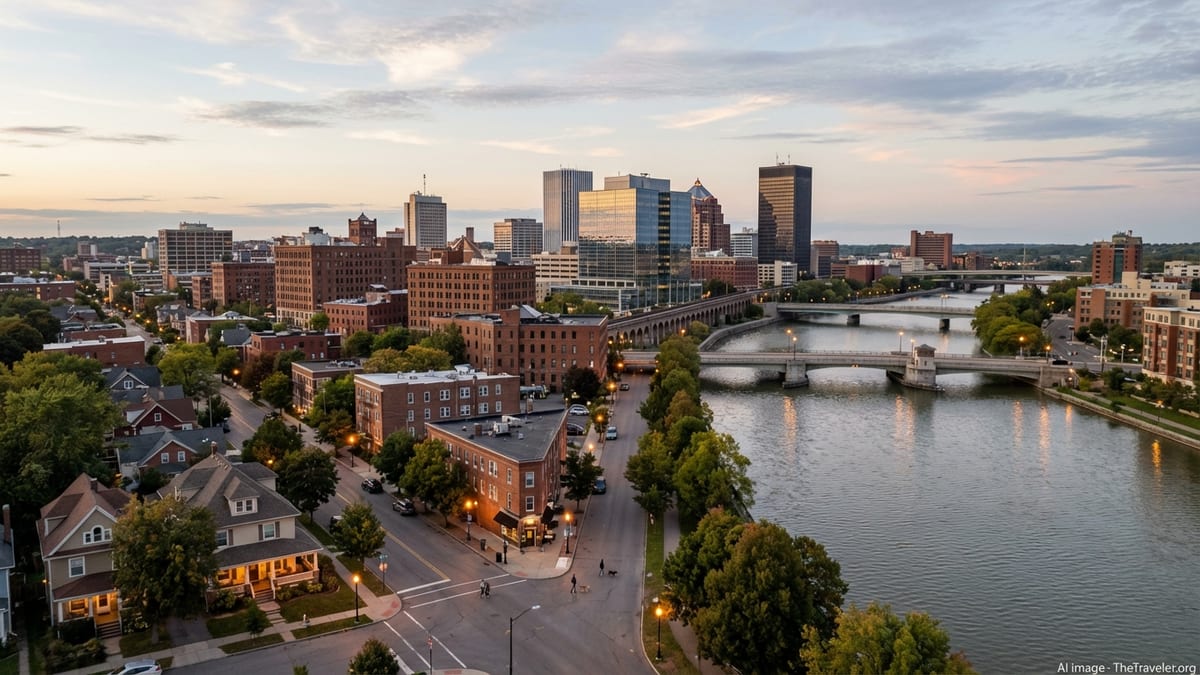
Rochester, New York blends industrial heritage with a lively arts scene, leafy neighborhoods, and easy access to Lake Ontario and the Finger Lakes. Choosing the right area to stay will shape how you experience the city, whether you want walkable nightlife, museum hopping, quiet, family friendly streets, or quick access to hospitals and universities. This guide breaks down the best parts of Rochester for visitors and what each neighborhood offers.
How to Choose the Right Area in Rochester
Rochester is compact enough that you can cross the core of the city in 15 to 20 minutes by car, yet each district has a distinct feel. Before you book, think about what matters most: being able to walk to restaurants and bars, staying near the Genesee River or parkland, keeping close to the University of Rochester or Strong Memorial Hospital, or simply finding quiet streets and easy parking. With clear priorities, it becomes easier to match your plans to a neighborhood.
Downtown and the adjacent East End suit travelers who want a classic city break with theaters, sports, and a growing restaurant scene. Park Avenue and the Neighborhood of the Arts are ideal if you like tree lined residential blocks that still put cafes and galleries at your doorstep. Riverfront districts like Corn Hill feel more village like and offer scenic walks yet remain close to the center. Farther out, suburbs such as Brighton appeal to families or anyone who wants a calmer base after days spent exploring.
As in many midsize cities, Rochester has areas that see higher crime, particularly in parts of the northeast, northwest, and southwest inner city. Visitors rarely have reason to stay in or explore those residential pockets, and most hotels cluster in safer commercial districts. Sticking to the main visitor neighborhoods below, using common sense at night, and relying on licensed cabs or ride shares after late events will feel familiar to anyone used to urban travel in the United States.
Getting around is straightforward. The Regional Transit Service runs buses across the city, but many visitors rely on rental cars or ride shares. Parking garages and surface lots are easy to find downtown and around major attractions, and most suburban hotels include parking. If walkability is your priority, look closely at Park Avenue, the Neighborhood of the Arts, Corn Hill, and the downtown core, where daily errands and evenings out can often be handled on foot.
Downtown & East End: Best for First Time Visitors
Downtown Rochester is the region’s economic and cultural hub, lined with early 20th century commercial buildings, modern office towers, and views of the High Falls of the Genesee River. Staying here puts you at the center of the action, close to business addresses, government offices, and the main theater and entertainment district. Major chain hotels and a handful of boutique properties cluster near the convention center, riverfront, and East Main Street corridors, making it easy to find a room that fits most budgets.
The East End, technically part of downtown but often spoken of as its own district, is the city’s lively arts and nightlife quarter. Here you will find performance venues, live music clubs, and restaurants ranging from casual pubs to more polished dining rooms. A number of hotels sit within walking distance of East Avenue, so you can catch a show or festival, then stroll back to your room without worrying about parking. This area works especially well for couples or groups of friends who plan to be out late and prefer a car light visit.
Downtown also appeals to business travelers and convention attendees. Conference spaces, corporate offices, and the main civic buildings are either within a few blocks of the hotel cluster or a short ride away. During weekdays the streets feel busy with office workers; evenings and weekends are quieter except on event nights. Some visitors appreciate that contrast: there is enough energy without the crowds of a much larger city.
In terms of atmosphere, the downtown core feels urban but manageable. Sidewalks are generally well lit in commercial blocks, and there is a visible police and security presence around event venues and busier streets. As in any city, it is wise to stick to populated areas at night, avoid walking through isolated parking lots or vacant blocks, and use ride shares after midnight if you are unfamiliar with your surroundings. For most visitors, though, downtown and the East End offer the most convenient base for a short Rochester stay.
Park Avenue & Neighborhood of the Arts: Most Walkable for Cafes and Culture
East of downtown, Park Avenue and the adjacent Neighborhood of the Arts form one of Rochester’s most desirable urban residential areas. Streets are lined with early 20th century houses, small apartment buildings, and corner storefronts that now host coffee shops, boutiques, casual bistros, and bakeries. Visitors who stay here often comment that the neighborhood feels like a small city within the city, with plenty to do on foot and a strong sense of local character.
The Neighborhood of the Arts, roughly centered around Village Gate Square and College Avenue, is home to galleries, studios, and cultural institutions. Landmarks such as the Memorial Art Gallery and various performance spaces help give the district a creative energy. Park Avenue, running southeast from this area, is famous locally for its independent shops, patios, and annual street festival atmosphere in warmer months. For travelers, that translates into an easy place to start the day with a coffee and end it with dinner without needing a car.
Accommodation here is more limited than downtown. You will mostly find small hotels, historic inns, and short term rentals scattered on side streets. Many properties occupy converted mansions or smaller residential buildings, so rooms may vary in size and style, but that is part of the appeal for guests who prefer a neighborhood feel over a conventional high rise hotel. Because inventory is smaller, it is worth booking ahead for summer weekends or times when festivals and university events bring extra visitors.
Safety wise, Park Avenue and the Neighborhood of the Arts are generally regarded as comfortable, lived in areas. You will see plenty of residents out walking dogs, cycling, or heading to shops, which adds to the sense of activity. Basic precautions apply: keep valuables out of parked cars, stay on main streets if walking late, and be aware that crime can occur anywhere. For most city savvy visitors, these neighborhoods offer the best balance of walkability, dining options, and local color.
Corn Hill & South Wedge: Village Feel Close to Downtown
South of the Genesee River, Corn Hill is one of Rochester’s oldest neighborhoods, known for its brick townhouses, restored Victorian homes, and leafy riverfront. The district feels quieter and more residential than downtown, yet it sits only a short walk or drive from the city center, which makes it attractive to visitors who want scenic streets and a calmer base. Many houses have been converted into multi unit dwellings or bed and breakfast style accommodations that cater to weekend travelers.
Staying in Corn Hill, you are within walking distance of river paths, small parks, and a handful of cafes and neighborhood pubs. The annual Corn Hill Arts Festival underscores the area’s creative streak, and even outside event dates, the district has a friendly, neighborly atmosphere. It suits couples and solo travelers who prefer reading on a porch or strolling along the river over late night bar hopping, while still wanting a short ride to downtown theaters or ballgames.
Just to the east, across the river from downtown, the South Wedge has evolved into one of Rochester’s trendier districts. Formerly a working class area, it now hosts a mix of cozy restaurants, cocktail bars, and specialty shops along streets like South Avenue and Gregory Street. The built environment is a patchwork of older houses, small apartment buildings, and storefronts, which gives the neighborhood a slightly bohemian edge. For visitors, this means plenty of independent businesses, from vegetarian cafes to craft beer spots.
Both Corn Hill and the South Wedge are popular with young professionals and longtime residents, which helps keep streets relatively busy into the evening. As with any urban neighborhood, there can be isolated incidents, and some parts of the wider southern crescent of the city see more crime, but the main commercial and residential blocks frequented by visitors are generally considered reasonable choices. If you plan on walking back late at night, choose accommodations close to the core restaurant streets and follow the same common sense you would in any unfamiliar city.
Brighton & University Area: Best for Families and Campus Visits
South and southeast of the city line, the inner suburb of Brighton has long been popular with families and university staff. It offers tree lined residential streets, good public schools, and easy highway access while remaining only a 10 to 15 minute drive from downtown. For visitors, the appeal lies in quieter nights, ample free parking, and proximity to institutions like the University of Rochester, Rochester Institute of Technology, and Strong Memorial Hospital, depending on exactly where you stay.
Hotels in and around Brighton tend to be mid range chains and extended stay properties along major roads and interchanges. Rooms are generally spacious, and many include kitchenettes or suites that work well for families, medical visitors, and anyone planning a longer stay. Because you are outside the densest part of the city, properties often come with indoor pools, fitness centers, and larger lobbies that make downtime with kids easier.
Visitors traveling for medical care or to support relatives at Strong Memorial or Highland Hospital will find a cluster of hotels and lodging services within a short drive of the medical campus. The University of Rochester Medical Center maintains information to help patients and families identify nearby options, including programs that sometimes offer special rates. For those stays, the convenience of a quick, predictable commute is often more important than nightlife or cultural attractions.
From Brighton, it is straightforward to explore the wider region. Highways connect you to the Finger Lakes wine country, outlet shopping, and Lake Ontario’s shore, while arterial roads lead back into the city for museums and events. If you choose this area, plan on driving or using ride shares for most outings, since public transit is thinner and distances between attractions are greater than in downtown or Park Avenue. In return, you gain a calm base that many visitors find reassuring, especially when traveling with children or older relatives.
Suburban Options & Stays Near the Airport
Beyond Brighton, several suburbs around Rochester provide comfortable bases for visitors who prioritize easy driving and quieter nights. Towns like Henrietta, Greece, and Irondequoit host clusters of mid range hotels and budget friendly motels near shopping centers and exits, which can be practical for road trippers, sports tournament families, or those passing through on business who do not need to be in the city center. These areas often come with large parking lots, nearby chain restaurants, and quick access to big box stores for errands.
For early flights or short stopovers, staying near Frederick Douglass Greater Rochester International Airport can be convenient. A small group of hotels sits within a few minutes of the terminal, many offering shuttle services and park and fly packages. While you will not find the same character as in historic city neighborhoods, the trade off is straightforward logistics: minimal transfer time, predictable amenities, and easy highway access if you are continuing onward by car.
Suburban areas appeal to travelers who focus more on day trips than nightlife. From these bases, it is simple to reach the Erie Canal villages, Lake Ontario beach parks, or the region’s state parks and waterfalls. You will likely drive into the city for any downtown theater performances, museum visits, or special events, so factor parking costs and time into your plans. On the other hand, driving back to a quiet hotel lot after a busy day in town can feel like a welcome reset.
Safety concerns in the suburbs tend to parallel national patterns for similar areas: occasional property crime, especially around shopping centers and busy roads, but relatively low levels of serious incidents compared with the most challenged parts of the inner city. Standard precautions apply, such as locking vehicles, keeping luggage out of sight, and choosing well reviewed properties. For many visitors, that peace of mind justifies staying a bit farther from Rochester’s cultural core.
Practical Safety and Transportation Tips by Neighborhood
Rochester has made measurable progress in reducing certain categories of crime in recent years, but like many cities, incidents remain concentrated in specific corridors and disadvantaged neighborhoods. Visitors typically spend their time in downtown, the East End, Park Avenue, the Neighborhood of the Arts, Corn Hill, the South Wedge, and select suburban zones. These areas see regular foot traffic, events, and a mix of residents and guests, which generally helps keep them comfortable for travelers while never eliminating risk entirely.
When evaluating a potential hotel or rental, take a moment to look at the immediate surroundings on a map and in recent reviews. Properties close to major venues, universities, hospitals, or established commercial strips usually benefit from better lighting, more activity, and regular patrols, particularly in the center city. If you are considering a short term rental in a purely residential area, it is worth reading guest comments about the street’s feel at night and how easy it is to reach dining or transit.
Getting around is easiest by car, but visitors focused on walkable stays should seek neighborhoods with proven pedestrian infrastructure. Downtown, the East End, Park Avenue, and parts of Corn Hill and the South Wedge allow you to leave the car parked for most of the day and explore on foot. Rochester’s bus network links these districts and extends into the suburbs, but schedules thin out at night and on weekends, so late returns are often better managed by taxi or ride share. When parking downtown, aim for staffed garages or well lit lots, and avoid leaving electronics or bags visible.
Common sense habits go a long way: travel with companions after dark when possible, stay on main streets rather than cutting through alleys or vacant lots, and trust your instincts if a block feels uncomfortable. Keep your phone charged, know your hotel address, and save the contact details for a local cab company or ride share app. Doing so lets you take advantage of Rochester’s growing arts and dining scenes while minimizing avoidable stress.
The Takeaway
Where you stay in Rochester will shape your experience far more than the city’s size might suggest. First time visitors and theatergoers often gravitate to downtown and the East End for maximum convenience to venues and events. Travelers who prefer leafy, walkable streets and independent businesses tend to choose Park Avenue, the Neighborhood of the Arts, Corn Hill, or the South Wedge, where daily life plays out at a more intimate scale.
Families, campus visitors, and those traveling for medical care frequently base themselves in Brighton or near the university and hospital corridors, trading nightlife for easy parking and quieter nights. Road trippers and business travelers with heavy driving schedules may find that a suburban or airport hotel aligns better with their needs. None of these choices is universally best, but each works well for particular styles of trip.
By matching your priorities to the right neighborhood, checking recent reviews of specific properties, and planning how you will move around the city, you can make the most of your time in Rochester. Whether you come for museums and festivals, to visit students or relatives, or to break up a journey along the New York State Thruway, the city offers a range of comfortable, characterful places to stay.
FAQ
Q1. What is the best area to stay in Rochester for first time visitors
The downtown core and nearby East End are usually the best choices for first time visitors, thanks to their central location, walkability to theaters and restaurants, and good transit and road connections.
Q2. Is downtown Rochester safe for tourists at night
Downtown’s main streets and event areas are generally busy and feel manageable for city savvy visitors, but you should stick to well lit routes, avoid isolated blocks, and use taxis or ride shares after very late events.
Q3. Which Rochester neighborhood is best if I want cafes and walkable streets
Park Avenue and the Neighborhood of the Arts are top picks for walkability, with tree lined streets, independent cafes, galleries, and small shops concentrated within a compact area.
Q4. Where should I stay when visiting the University of Rochester or Strong Memorial Hospital
Look for hotels in Brighton, near the university area, or in the corridors just south of downtown, which offer quick drives to campus and the hospital, along with quieter nights and easy parking.
Q5. Are there good places to stay near the airport
Yes, several mid range hotels sit close to Frederick Douglass Greater Rochester International Airport, offering short transfer times, shuttles, and convenient access to major highways for onward travel.
Q6. Is it better to stay in a suburb or in the city center
Stay in the city center if you want nightlife, walkable dining, and cultural venues. Choose a suburb like Brighton or Henrietta if you prefer quieter surroundings and plan to drive everywhere.
Q7. Can I get around Rochester without a car
It is possible if you base yourself in downtown, the East End, or Park Avenue, since those areas have good walkability and bus service, but many visitors still find occasional taxis or ride shares useful.
Q8. Which neighborhoods have the most local character
Park Avenue, the Neighborhood of the Arts, Corn Hill, and the South Wedge are known for historic homes, independent businesses, and strong neighborhood identities that many visitors find appealing.
Q9. Are short term rentals common in Rochester’s central neighborhoods
Short term rentals exist in many central neighborhoods, especially Park Avenue, Corn Hill, and the South Wedge, but availability varies, so it is wise to book early during festival seasons and university events.
Q10. How many days should I plan for a visit to Rochester
A two to three day stay is enough to see key museums, explore one or two neighborhoods, and enjoy the riverfront, while longer visits allow day trips to Lake Ontario and the Finger Lakes.