

More news on this day
Across the travel industry, attention is shifting south as Africa posts some of the fastest tourism growth figures in the world, rolling out easier visas, new infrastructure and fresh experiences that are rapidly reshaping the global tourism map.
Get the latest news straight to your inbox!
A Tourism Boom Outpacing the Rest of the World
Recent international tourism data shows Africa moving from a niche choice to a leading growth region. UN Tourism barometers and regional aviation reports indicate that the continent welcomed more than 70 million international visitors in 2024, surpassing pre‑pandemic levels and marking double‑digit growth compared with 2023. Subsequent estimates for 2025 point to a further rise in international arrivals, leaving Africa as the fastest‑growing major tourism region worldwide.
Analysts note that this performance stands out against a backdrop of slower growth in some traditional destinations facing capacity constraints and high prices. Travel industry coverage highlights that demand for African destinations has remained resilient despite inflation in global airfares and accommodation, suggesting travelers are actively seeking new value and fresh experiences beyond long‑established circuits in Europe, North America and parts of Asia.
Within Africa, several countries have emerged as star performers. Morocco, Tunisia, Egypt and South Africa have all reported strong rebound figures, while Tanzania announced a record year for arrivals in 2024 after surpassing its medium‑term targets ahead of schedule. Kenya’s national tourism reports also show international visitor numbers climbing back toward, and in some segments beyond, 2019 benchmarks.
This momentum is not limited to a handful of beach resorts or safari parks. Industry assessments describe a broad‑based recovery that includes business events, cultural travel, diaspora visits and intra‑African tourism, underlining how diverse the continent’s appeal has become.
Visa Openness and Easier Access for Global Travelers
One of the most significant shifts underpinning Africa’s tourism rise is a steady move toward easier border crossings. The Africa Visa Openness Index, compiled by regional institutions, shows a clear improvement over the past decade, with more countries allowing visa‑free or visa‑on‑arrival entry for African nationals and an increasing number extending simplified regimes to visitors from other continents.
Headline reforms have captured international attention. Kenya announced a visa‑free policy for all nationalities from early 2024, replacing traditional entry permits with a streamlined electronic travel authorization system. Rwanda has granted visa‑free access to all African passport holders and offers relaxed policies for many other visitors, while The Gambia and several island destinations in the Indian Ocean and Atlantic have promoted flexible entry rules to attract more leisure travelers.
Regional blocs are also experimenting with shared travel areas that function in a similar way to multi‑country visas elsewhere in the world. Initiatives in southern Africa, supported by cross‑border conservation areas, aim to allow visitors to move more easily between countries such as Namibia, Botswana, Zambia, Zimbabwe and Angola on a single permit, encouraging multi‑destination itineraries that combine safari, desert, river and cultural experiences in one trip.
These policy changes are often presented by governments as tools to boost trade and investment, but tourism is among the most immediate beneficiaries. Publicly available data from visa openness reports links more relaxed entry rules with rising visitor numbers, particularly for intra‑African travel, which is becoming an increasingly important segment of the market.
From Safaris to Cities: A Richer Mix of Experiences
While wildlife safaris remain a powerful draw, Africa’s current tourism narrative extends far beyond the savannah. Travel coverage increasingly highlights the continent’s growing portfolio of city breaks, wine regions, cultural festivals and wellness retreats, reflecting significant investment and local entrepreneurship over the past decade.
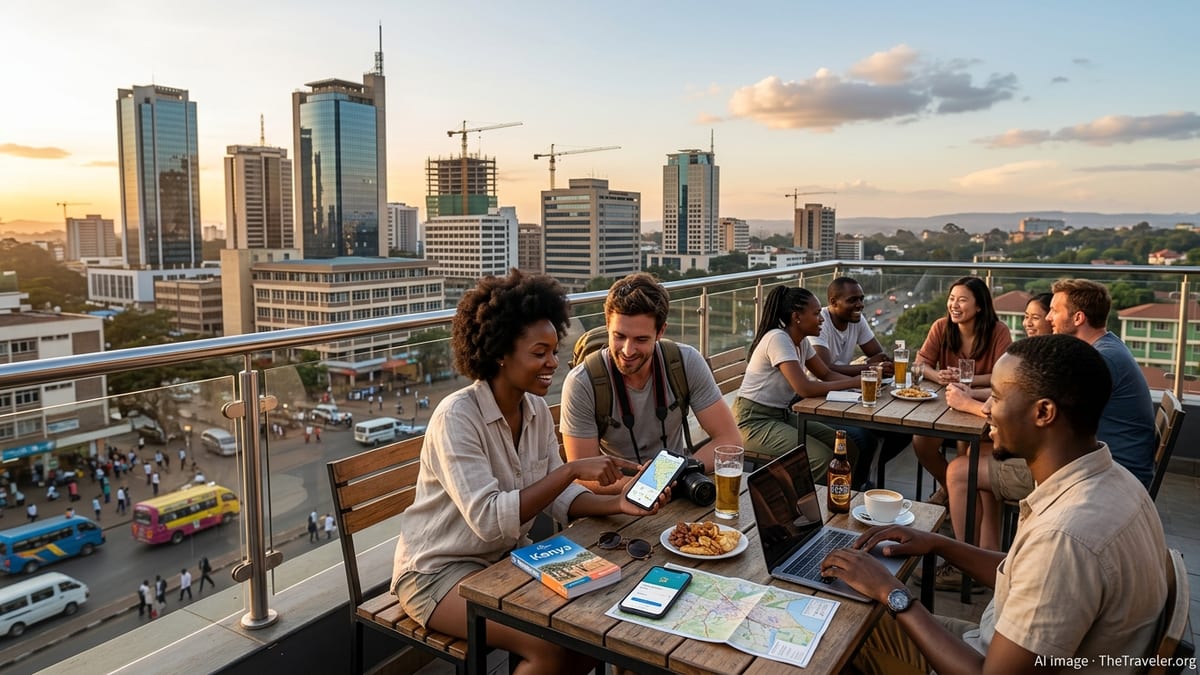
Cape Town, Johannesburg, Nairobi, Dakar and Lagos are now appearing more frequently in global city guide rankings, credited with dynamic food scenes, contemporary art districts and music cultures that appeal to younger and more urban travelers. New boutique hotels, design‑led guesthouses and co‑working spaces have emerged to serve both leisure visitors and remote workers who choose to spend extended periods in African cities.
Heritage travel is another expanding segment. Ghana’s high‑profile campaigns around historical sites linked to the transatlantic slave trade, along with similar initiatives in countries such as Benin and Senegal, have encouraged members of the African diaspora to reconnect with the continent. Reports on recent seasons describe full calendars of festivals, memorial events and creative residencies that bring together visitors and local communities.
Adventure and nature tourism is spreading beyond traditional big‑game itineraries. Hiking in the Atlas Mountains, surfing along the coasts of Morocco and South Africa, gorilla trekking in Rwanda and Uganda, and desert expeditions in Namibia are all drawing travelers who might once have looked only to Latin America or Southeast Asia for outdoor experiences. Operators are increasingly packaging these activities alongside community‑based tourism, allowing visitors to spend time in villages, learn about local crafts and support small‑scale enterprises.
Investment, Connectivity and the Digital Travel Shift
A parallel story to Africa’s tourism growth is the rapid build‑out of infrastructure and digital services that make travel more practical and predictable. Aviation bodies report that African and international airlines have been adding routes and frequencies across the continent, restoring and in some cases exceeding pre‑pandemic capacity on key intercontinental corridors. Direct connections from Europe, the Middle East and parts of Asia to secondary African cities are becoming more common, reducing the need for time‑consuming connections.
Airport upgrades and new terminals in hubs such as Addis Ababa, Nairobi, Kigali and Casablanca are designed to handle rising passenger volumes and position these cities as gateways for both regional and long‑haul travelers. At the same time, local carriers and low‑cost airlines are opening up point‑to‑point routes within Africa, which industry observers see as essential to unlocking multi‑country itineraries and spreading the benefits of tourism beyond a few coastal or safari destinations.
The digital transformation of Africa’s travel sector is equally important. Widespread mobile payment adoption, including popular wallet systems in East and West Africa, has made it easier for visitors to pay for transport, accommodation and experiences without relying solely on cash or international cards. Online booking platforms focused on African properties, along with locally built software tools for tour operators and lodges, are helping smaller businesses reach global audiences and manage reservations more efficiently.
These changes are particularly attractive for remote workers and long‑stay visitors who require reliable connectivity and predictable services. Although formal digital nomad visas are still limited in number across the continent, a growing ecosystem of co‑working spaces, serviced apartments and flexible accommodation options suggests that African cities are positioning themselves to compete with established remote‑work hubs in Europe, Asia and the Americas.
Sustainability, Conservation and Community Benefits
The growth of tourism in Africa is closely intertwined with conservation and community development. Many of the continent’s flagship experiences, from safaris to marine encounters, depend on healthy ecosystems and wildlife populations, and governments, conservation groups and private operators have promoted tourism as a way to fund protection efforts.
Case studies from transfrontier conservation areas in southern and East Africa show how cross‑border parks combine biodiversity protection with carefully managed tourism, channeling park fees and lodge investments into anti‑poaching work and community projects. Reports from these regions indicate that as visitor numbers recover, revenue streams for conservation have begun to stabilize after the disruption caused by pandemic‑era travel shutdowns.
At the same time, there is growing emphasis on ensuring that tourism benefits reach local residents. Development agencies and regional organizations have documented the sector’s role in job creation, particularly for young people and women in rural areas. Small businesses supplying food, crafts, guiding and transport services around major attractions are frequently cited as examples of how tourism can support broader economic diversification.
Sustainability concerns remain, including pressure on fragile environments and questions around equitable distribution of income, but industry observers note that travelers themselves are increasingly choosing operators and destinations that demonstrate clear social and environmental commitments. This alignment between visitor expectations and policy priorities is likely to shape how Africa’s tourism boom evolves, reinforcing the continent’s position as a compelling destination for those looking to combine discovery with more responsible forms of travel.