


More news on this day
Wildfire smoke drifting across Southern and Northern California is disrupting commercial air traffic at Los Angeles, San Francisco and San Diego airports, as major North American carriers including American Airlines join United, Delta, Southwest and Air Canada in reporting weather related delays, while CAL FIRE crews at Porterville Municipal Airport keep a fleet of firefighting aircraft on heightened readiness and foreign governments issue fresh alerts for travelers eyeing the region.
Get the latest news straight to your inbox!
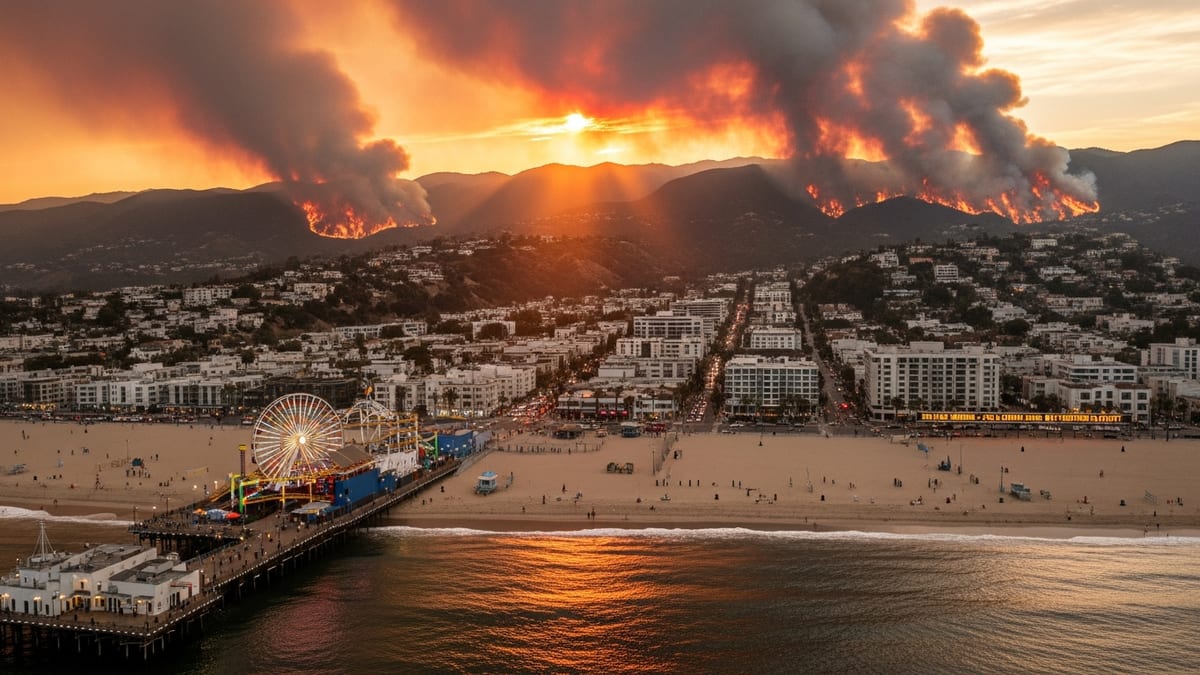
Smoke From Regional Wildfires Slows Traffic at Key California Hubs
Recent brush and wildland fires in Southern California have pushed plumes of smoke across the Los Angeles Basin and coastal counties, prompting air quality advisories and contributing to weather related disruptions at Los Angeles International Airport, San Francisco International Airport and San Diego International Airport. Forecast discussions and local coverage in the region indicate that fluctuating visibility and wind shifts have complicated arrival and departure management at these busy hubs.
Operational data from airline trackers and airport status boards on May 19 and May 20 show clusters of delays affecting departures and arrivals operated by American Airlines, United, Delta, Southwest and Air Canada on routes into and out of LAX, SFO and SAN. While many flights continue to operate, patterns of holding, ground stops on individual routes and extended taxi times have emerged as carriers work around intermittent reductions in arrival rates linked to smoke and low level haze.
Airport statements and published coverage emphasize that there is no single shutdown of any of the three airports. Instead, the impact has been rolling and route specific, with some services departing only slightly behind schedule while others face longer delays as traffic controllers adjust spacing between aircraft in smokier periods. Travelers connecting through these hubs are being advised by airlines to monitor their flight status closely and allow additional time between connections.
These smoke related slowdowns come at a time when California’s wildfire season is increasingly described by regional analysts as a year round threat, with warm, dry and windy conditions extending well beyond the traditional summer peak. That backdrop has made even early season fires a potential source of disruption for one of the nation’s most heavily traveled air corridors.
American Airlines Joins Peer Carriers in Issuing Travel Alerts
American Airlines has added its name to the list of major carriers flagging operational challenges in the western United States this week. A flexible travel advisory posted on the airline’s website for customers scheduled to fly on May 19 highlights the potential for weather related schedule changes and offers rebooking options without change fees in certain circumstances. Similar notices from United, Delta and Southwest point to adverse conditions affecting segments of their California networks.
These advisories follow a pattern seen in past wildfire seasons, when carriers have used travel waivers to give passengers more flexibility to reroute or shift travel dates when smoke and fire weather complicate operations. For transcontinental and international travelers booked through LAX and SFO, even modest local disruptions can cascade into missed connections and rerouted itineraries, amplifying the value of such waivers.
Air Canada has also reported scattered delays on its cross border services into California, with schedule data showing knock on effects between Canadian hubs and West Coast destinations. With all five of these large carriers acknowledging operational impacts, California’s wildfire smoke has effectively become a system wide planning variable for North American aviation, rather than a purely local concern.
Publicly available delay statistics from federal transportation reports underscore how sensitive airline operations can be to weather triggers. Historical data show that relatively brief visibility reductions or low ceilings can generate multi hour delays for individual flights when they coincide with peak travel periods at major hubs, a pattern that aligns with the disruptions now being reported at LAX, SFO and SAN.
CAL FIRE Aircraft at Porterville Kept on High Readiness
As airlines manage smoke related delays, firefighting aviation assets inland are being kept on tight alert. At Porterville Municipal Airport in Tulare County, which serves as a CAL FIRE air attack base, ground and maintenance crews are working extended shifts to ensure that air tankers and reconnaissance aircraft can launch quickly when new fire starts are detected. Recent regional reporting from the southern San Joaquin Valley describes mechanics and support teams cycling engines, inspecting retardant delivery systems and pre staging equipment each morning as temperatures and winds begin to rise.
Porterville’s role as an air attack base forms part of a broader CAL FIRE aviation network spread across the state, including air tanker bases, air attack bases and helitack bases positioned near fire prone terrain. Program overviews published earlier this year highlight a strategy of maintaining a high level of mission readiness throughout prolonged periods of elevated fire danger, supported by dedicated dispatch, planning and maintenance resources.
Fire weather alerts issued for interior California counties in mid May point to low humidity, gusty winds and dry fuels around communities such as Porterville, Visalia and Bakersfield. Those conditions raise the likelihood that even small ignitions can spread quickly, increasing pressure on aerial firefighting crews to respond rapidly and keep emerging fires small, particularly when smoke from multiple incidents is already affecting populated coastal regions and transportation corridors.
The posture at Porterville illustrates how ground based and aviation firefighting capacity underpins the wider travel and tourism economy. By holding aircraft at a high state of readiness as fire weather intensifies, CAL FIRE aims to limit the size and duration of smoke events that can spread hundreds of miles and interfere not only with local communities, but also with air traffic and visitor experiences across California.
International Travelers Confront Evolving Smoke and Safety Guidance
As smoke and fire conditions in North America evolve, governments abroad are updating travel information for their citizens considering trips to the United States and neighboring countries. Canada’s federal travel advisory portal, which compiles destination specific guidance for Canadian citizens, has underscored the need to monitor natural hazard information closely when traveling, including the potential impact of wildfires and associated smoke on transportation and health, particularly for those with respiratory vulnerabilities.
In the United Kingdom, the Foreign, Commonwealth and Development Office has refreshed several regional advisories in North America and Mexico in May, reflecting security and safety assessments that include natural disaster risks. While much of the latest detailed guidance focuses on specific security concerns in parts of Mexico, the broader framework encourages British travelers to pay close attention to local weather alerts, wildfire reports and air quality information when planning itineraries that include California and the wider Pacific coast.
Mexico’s own experience with seasonal wildfires and smoke has also shaped official messaging to both inbound and outbound travelers. Recent North American fire outlook assessments describe above average wildfire activity in parts of Mexico’s mountainous regions and northern Baja California during the spring and early summer, reinforcing the idea that wildfire smoke can be a cross border issue affecting multiple destinations in a single trip.
For Canadian, British and Mexican travelers bound for California’s gateway airports, that context translates into a growing emphasis on contingency plans. Travelers are being encouraged by airlines, insurers and travel advisers to build extra time into complex itineraries, consider flexible ticket options, and review coverage terms for weather related disruptions, particularly during periods of elevated fire risk.
What Travelers Should Expect in the Coming Days
With wildfire season ramping up, aviation and fire management agencies are preparing for additional periods of smoke related disruption. Meteorological outlooks for the coming days suggest that changing wind patterns could either disperse or concentrate smoke over different parts of the state, making it difficult to predict exactly when and where air travel will be most affected.
Travel experts note that even when runways and terminal facilities remain fully open, air traffic control measures to maintain safe separation in reduced visibility can trigger delays that ripple throughout airline networks. Operators may temporarily slow inbound flows, reroute aircraft to less congested approaches or hold departing flights on the ground to manage congestion in the airspace surrounding major hubs.
Against that backdrop, passengers flying through LAX, SFO and SAN are likely to see a continued emphasis on real time communication and schedule adjustments. Airline advisories are directing customers to mobile apps and airport display boards for updates, while some carriers are quietly adding buffer time to scheduled block times on routes that have been repeatedly affected by smoke and fire weather in past seasons.
For now, the combination of heightened firefighting readiness at bases such as Porterville, detailed seasonal fire outlooks and more responsive airline planning provides a layered approach to managing the intersection of wildfires and air travel. Travelers, especially those coming from Canada, the United Kingdom and Mexico, are being urged in public guidance to stay informed, remain flexible and factor wildfire smoke into their planning as they head into the busy summer travel period.