


More news on this day
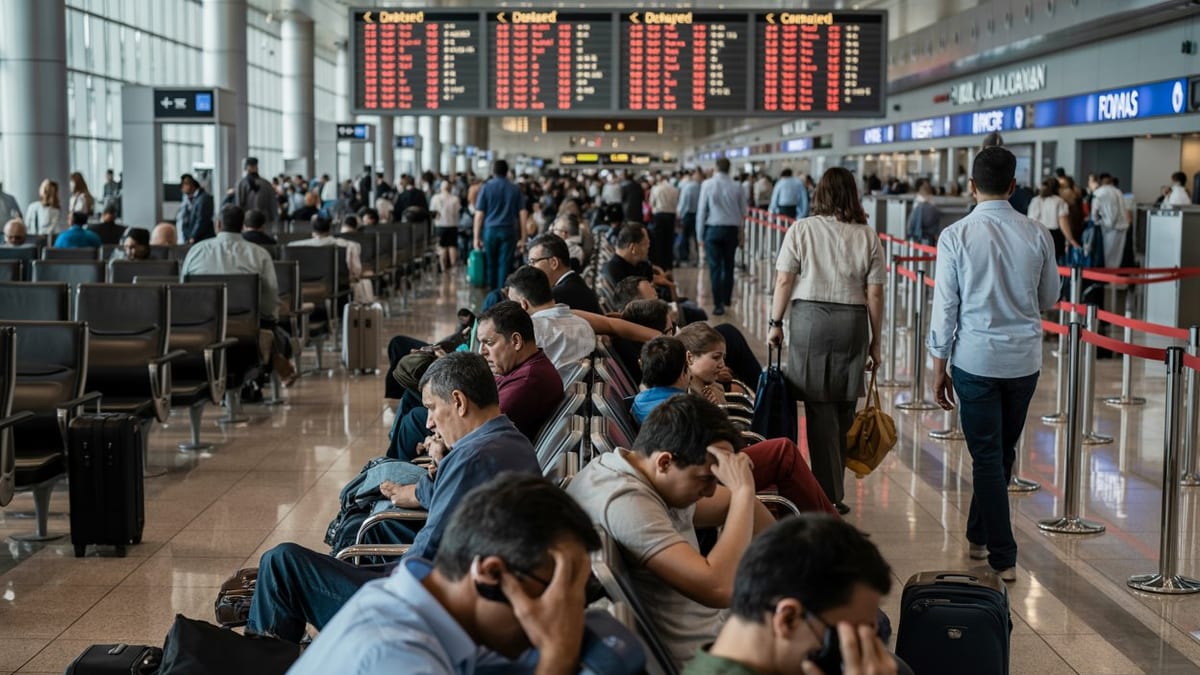
Hundreds of passengers were stranded across Brazil on May 18 as a wave of cancellations and delays at major airports in São Paulo, Rio de Janeiro, Belo Horizonte and Manaus disrupted operations for LATAM Brasil, Azul, GOL, American Airlines and several other carriers, according to real-time tracking data and passenger-rights platforms.
Get the latest news straight to your inbox!
Widespread Disruptions at Brazil’s Busiest Airports
Publicly available disruption trackers show that on May 18 a total of 25 flights were canceled and well over one hundred were delayed across key Brazilian hubs, including São Paulo-Guarulhos, Rio de Janeiro/Galeão, Viracopos in Campinas and Belo Horizonte’s Tancredo Neves. Additional knock-on delays were recorded at airports serving Manaus and other regional centers as the network struggled to absorb schedule changes.
The disturbance hit at the heart of Brazil’s domestic and international system. São Paulo-Guarulhos and Rio de Janeiro/Galeão handle a large share of long-haul services linking Brazil with North America and Europe, as well as dense shuttle traffic on routes to Brasília, Belo Horizonte, Porto Alegre and Manaus. When irregularities build at these hubs, even small timetable shifts can leave travelers facing missed connections and unplanned overnight stays.
Industry monitoring sites that aggregate airport operations reported that disruption on May 18 was concentrated in the evening peak, with a visible build-up of delayed departures and arrivals. Some airports temporarily scaled back movements, which in turn forced airlines to trim frequencies and reschedule rotations in order to keep aircraft and crews within regulatory limits.
LATAM, Azul, GOL and U.S. Carriers Among Those Affected
Published data from passenger-compensation services indicates that LATAM Brasil carried the heaviest burden of delays, with several dozen departures and arrivals from São Paulo-Guarulhos affected. Azul and its regional arm Azul Conecta also saw cancellations and late operations on routes feeding Campinas and Belo Horizonte, while GOL experienced a mix of delayed shuttles on trunk routes.
International travelers were not spared. According to publicly available disruption summaries, services operated by American Airlines and United Airlines into São Paulo and Rio de Janeiro encountered delays and isolated cancellations as the congestion rippled through the evening schedule. These interruptions added further strain for passengers attempting to connect between domestic Brazilian feeders and long-haul transcontinental flights.
The pattern fits into a broader stretch of unreliable operations in Brazil during recent weeks. Separate coverage focused on São Paulo and Curitiba noted dozens of delays and more than a dozen cancellations there earlier in May, underscoring how quickly pressure on air-traffic control, ground handling and airport gate capacity can cascade into a nationwide issue when conditions deteriorate simultaneously at several major hubs.
Weather, Traffic and Capacity Bottlenecks Behind the Chaos
Reports from aviation analysts and passenger-rights organizations attribute the May 18 disruption to a combination of adverse weather, heavy traffic and gate-capacity bottlenecks at the main airports. When these factors coincide, airlines often have to slow boarding, resequence departures and divert aircraft to alternative stands, all of which reduces the number of flights that can move through a terminal in a given hour.
Brazil’s busiest facilities already operate close to their practical limits during peak windows, especially in São Paulo and Rio de Janeiro. Even relatively short restrictions on arrivals or departures can result in long queues of aircraft waiting on the ground or in holding patterns, forcing carriers to adjust their rotations for the rest of the day. Once those adjustments begin, flights to secondary cities such as Manaus may be pushed back or consolidated, leaving regional passengers with fewer options.
Earlier episodes this year have highlighted similar vulnerabilities. A technical outage at a regional air-traffic control center in April triggered extensive delays and cancellations in São Paulo, which then affected onward operations in Rio de Janeiro and other cities. Analysts argue that the latest turbulence shows how weather and infrastructure constraints continue to test the resilience of Brazil’s expanding aviation market.
Hundreds of Passengers Face Long Waits and Missed Connections
The operational turmoil translated into long queues at check-in counters and customer service desks, as travelers sought information about rebooking and overnight accommodation. Social media posts and local broadcast coverage showed crowded terminals at São Paulo-Guarulhos and Belo Horizonte’s Tancredo Neves, with passengers seated on terminal floors near charging points while waiting for updated departure times.
Passenger accounts compiled in news reports describe missed business meetings, disrupted vacations and tight international connections that became impossible to make once domestic segments were delayed. Some travelers reported being moved to later departures or rerouted through alternative hubs such as Brasília or Rio de Janeiro, extending journeys by many hours.
Consumer advocates regularly emphasize that a single day involving a few dozen cancellations and more than one hundred delays can impact far more than the immediate tally of affected flights. Because many of the disrupted services feed into onward connections, each canceled departure can strand entire planeloads of passengers whose itineraries were built around precisely timed transfers.
What Travelers Can Do During Major Disruptions
Travel advisory platforms and passenger-rights groups recommend that anyone flying through Brazil’s major hubs in periods of instability monitor flight status frequently and make full use of airline apps or airport information screens. Same-day timetable changes are common when weather and congestion coincide, and carriers may advance or move departures to different gates in an effort to keep aircraft and crews synchronized.
Available guidance also suggests that affected passengers document their disruption by keeping boarding passes, booking confirmations and receipts for essential expenses such as meals or emergency accommodation. This documentation can be important if travelers later seek compensation or refunds under applicable regulations or airline policies.
For upcoming trips, aviation analysts advise building extra time into itineraries involving São Paulo, Rio de Janeiro, Belo Horizonte or Manaus, especially when connecting to long-haul flights. Booking slightly longer connection windows and avoiding the busiest evening peaks can reduce the risk that a localized delay will cause passengers to miss an onward service.